Sustainable Fashion Cost Calculator
True Cost of Your Clothing
See how the real cost of sustainable fashion compares to fast fashion. Sustainable clothes cost more upfront but save money over time.
Enter values above to see your results
Sustainable fashion isn't just a buzzword. It's about making clothes in a way that doesn't hurt people, animals, or the planet. At its core, sustainable fashion means designing, producing, and using clothing so that it lasts longer, uses fewer resources, and causes less harm from start to finish.
It’s Not Just About Organic Cotton
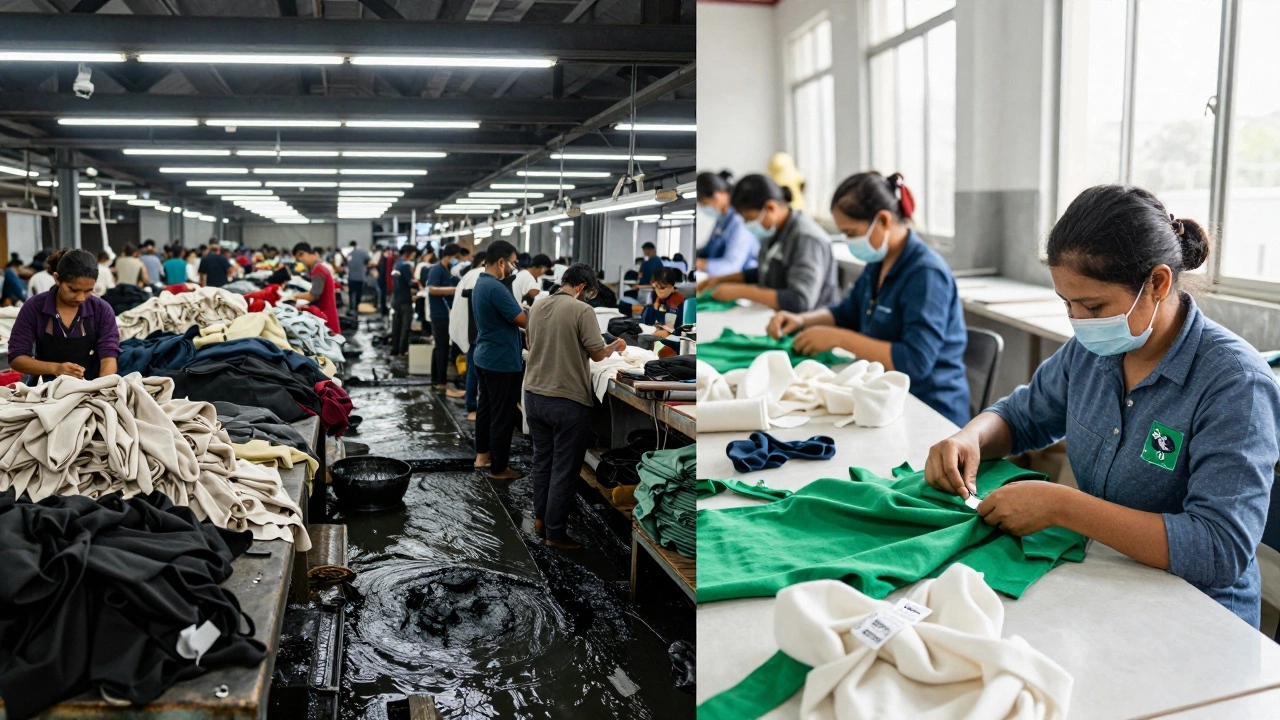
Many people think sustainable fashion means buying clothes made from organic cotton. That’s part of it, but it’s only one piece. Sustainable fashion looks at the whole life of a garment-from the farm where the fiber is grown, to the factory where it’s stitched, to the store where it’s sold, and even how you wash and dispose of it later.For example, a T-shirt made from organic cotton might seem green, but if it’s shipped halfway across the world, sewn in a factory that dumps toxic dye into rivers, and designed to fall apart after three washes, it’s not truly sustainable. True sustainability means fixing every step.
Why Fast Fashion Fails
Fast fashion is the opposite of sustainable fashion. Brands that produce hundreds of new styles every week, sell them for $5, and throw them out after one season are burning through resources and labor. The fashion industry is responsible for about 10% of global carbon emissions-more than international flights and shipping combined. It also uses 20% of the world’s wastewater, mostly from dyeing fabrics.In Durban, where I live, you’ll see piles of discarded clothing at local markets. These aren’t just old shirts-they’re the end of a broken system. Most of these clothes came from overseas, bought cheap and thrown away fast. The problem isn’t just pollution. It’s exploitation. Workers in many garment factories earn less than $3 a day, often in unsafe conditions.
What Makes Fashion Sustainable?
A truly sustainable garment has five key traits:- Low environmental impact-uses renewable or recycled materials, minimal water, no toxic dyes.
- Safe for workers-fair wages, safe factories, no child labor.
- Durable design-made to last years, not months.
- Repairable and recyclable-you can fix it, or it can be turned into something new.
- Transparent supply chain-you know where it came from and who made it.
Brands that meet these standards don’t always look like eco-warriors. Some are small local tailors. Others are big companies that switched to 100% recycled polyester or started take-back programs. The key isn’t the label-it’s the action.
Real Examples You Can See Today
In South Africa, companies like Thuma make bedding and clothing from organic cotton grown locally, paying fair wages to artisans in rural communities. In Europe, Patagonia has been repairing jackets for 30 years and encourages customers to fix, not replace. In the U.S., Reformation tracks the water and carbon footprint of every garment they make and shares it publicly.Even big retailers are starting to change. H&M now has a garment collection program that turns old clothes into new fibers. Zara’s Join Life line uses sustainable materials in over 50% of its products. These aren’t perfect, but they’re steps forward.
It’s Not About Buying Less-It’s About Buying Better
Some say the only way to be sustainable is to buy nothing. That’s not realistic for most people. The real goal is to change how you shop.Ask yourself:
- Will I wear this at least 30 times?
- Do I know who made it?
- Can I repair it if it rips?
- What happens when I’m done with it?
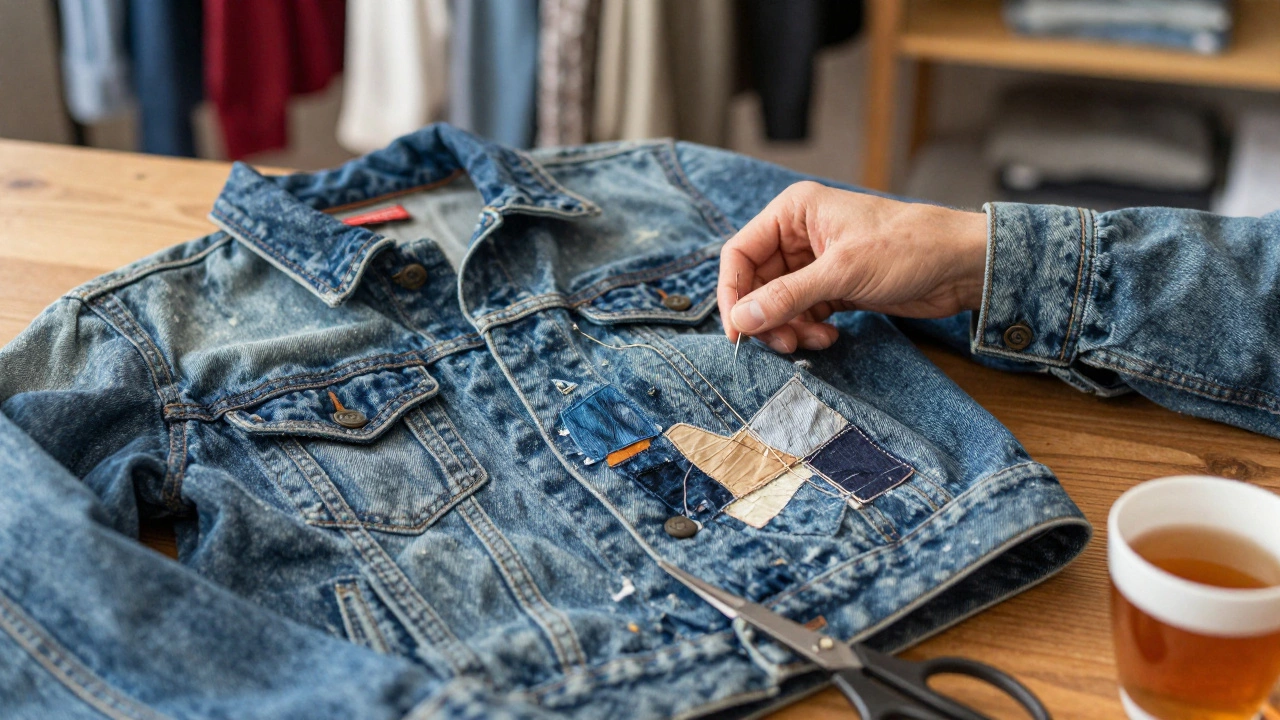
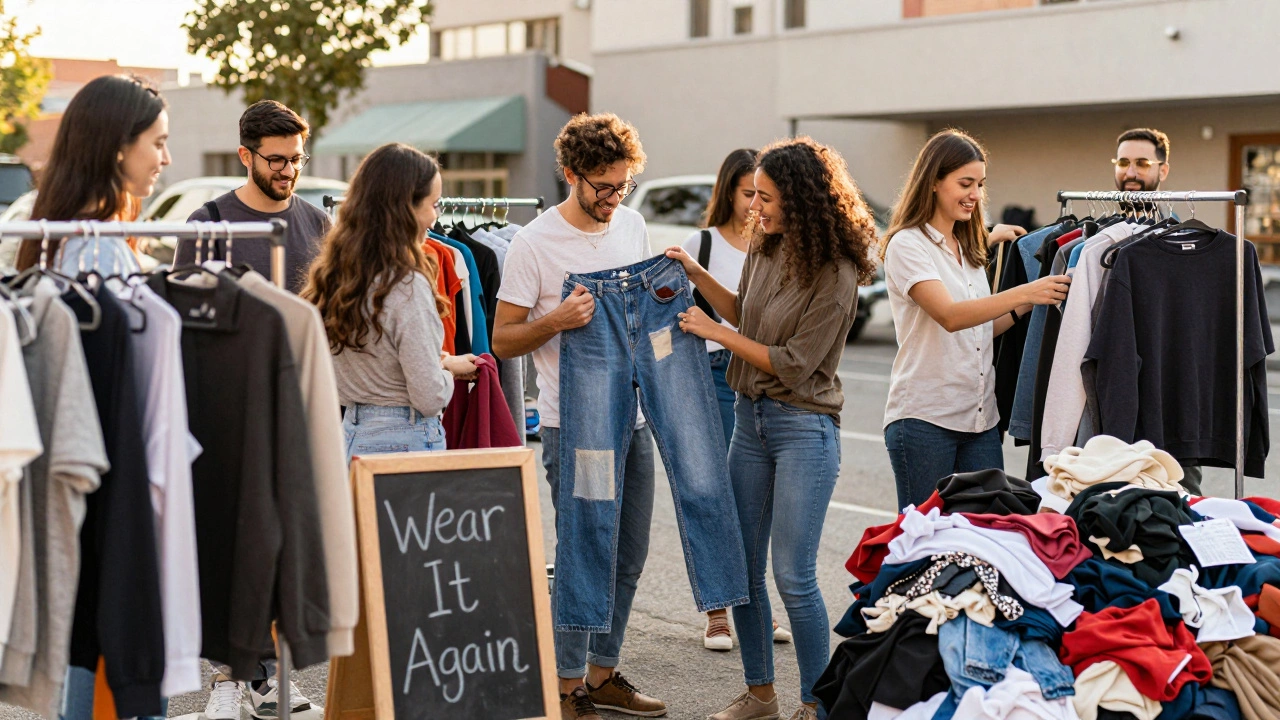
Buying one well-made jacket that lasts five years is better than buying five cheap ones that fall apart. Renting a dress for a special event? That’s sustainable. Buying secondhand? Even better. Repairing your jeans instead of tossing them? That’s sustainable fashion in action.
The Bigger Picture
Sustainable fashion isn’t just about clothes. It’s about rethinking how we value things. We live in a world that tells us to buy more, upgrade faster, and replace sooner. Sustainable fashion says: slow down. Value quality. Respect people and the planet.It’s not about perfection. It’s about progress. Whether you buy one item from a local maker, swap clothes with a friend, or just wash your clothes in cold water, you’re part of the change. Every choice adds up.
What You Can Do Right Now
You don’t need to overhaul your wardrobe. Start small:- Check the labels on your clothes. Look for certifications like GOTS (Global Organic Textile Standard) or Fair Trade.
- Visit a thrift store this month. You’ll find unique pieces and keep clothes out of landfills.
- Learn to sew a button or patch a hole. YouTube has free tutorials.
- Support brands that publish their supply chain. If they won’t tell you where their clothes are made, ask why.
- Wash clothes less often and on cold cycles. It saves water and extends their life.
Sustainable fashion isn’t a trend. It’s a necessary shift-and it’s already happening, one garment at a time.
Is sustainable fashion more expensive?
Sometimes, yes-but not always. A $150 jacket made to last 10 years costs less per wear than a $30 jacket you replace every year. The real cost of cheap fashion is hidden: environmental damage, worker exploitation, and waste. When you pay more for sustainable fashion, you’re paying for fairness, not just fabric.
Can secondhand clothing be considered sustainable fashion?
Absolutely. Buying secondhand is one of the most sustainable choices you can make. It keeps clothes in use, reduces demand for new production, and cuts waste. Thrift stores, consignment shops, and online resale platforms like Depop or ThredUp all help extend the life of clothing without creating new environmental costs.
What’s the difference between sustainable fashion and ethical fashion?
They overlap but aren’t the same. Sustainable fashion focuses on environmental impact-materials, water, energy, waste. Ethical fashion focuses on people-fair wages, safe conditions, no exploitation. The best brands do both. If a brand uses organic cotton but pays workers poorly, it’s not fully sustainable. If it pays well but uses synthetic dyes that pollute rivers, it’s not fully ethical. True sustainable fashion covers both.
Are natural fibers always better than synthetic ones?
Not always. Organic cotton uses less pesticide than conventional cotton, but it still needs a lot of water. Synthetic fibers like polyester are made from oil and shed microplastics when washed. But recycled polyester-made from old plastic bottles-can be a smart choice because it gives waste new life. The key is not the material itself, but how it’s sourced and handled.
Does washing clothes in cold water really make a difference?
Yes. Heating water for laundry accounts for about 90% of a garment’s carbon footprint. Washing in cold water cuts that by nearly all of it. It also helps clothes last longer by reducing shrinkage and fading. Add a gentle detergent, and you’re saving energy, water, and money-all while keeping your clothes in good shape.