High-Calorie Foods: What They Are, Why They Matter, and How to Use Them Right
When we talk about high-calorie foods, foods that provide a large amount of energy per gram, often rich in fats, sugars, or both. Also known as calorie-dense foods, they’re not just for bodybuilders or people trying to gain weight—they’re vital for anyone needing sustained energy, recovering from illness, or struggling to eat enough. The idea that all high-calorie foods are unhealthy is outdated and misleading. A handful of almonds, a spoonful of peanut butter, or a slice of avocado can pack over 100 calories each, but they also deliver protein, fiber, healthy fats, and micronutrients your body actually needs.
Not all calories are created equal, and that’s where the real difference lies. nutrient-dense calories, calories that come with vitamins, minerals, and other beneficial compounds are the kind that support long-term health. Think full-fat yogurt, eggs cooked in olive oil, dried fruit, cheese, nuts, seeds, and whole grains like oats or quinoa. These aren’t just filler—they’re fuel with purpose. On the flip side, sugary sodas and fried snacks give you calories without the nutrition, leaving you hungrier and more drained. The goal isn’t to avoid high-calorie foods—it’s to choose the right ones.
Who needs these foods? People with high metabolisms, those recovering from surgery or illness, older adults losing appetite, athletes in heavy training, or even someone who just can’t seem to gain weight no matter how much they eat. If your body burns through energy fast, you need more than salads and grilled chicken—you need food that sticks with you. That’s why healthy fats, fats from natural sources like avocados, coconut, nuts, and fatty fish that support hormone balance and brain function are so important. They’re the most efficient way to add calories without adding bulk. A tablespoon of butter on toast, a drizzle of olive oil on roasted veggies, or a smoothie made with full-fat coconut milk can turn a light snack into a meal that keeps you full for hours.
And here’s the truth: if you’re trying to gain weight or maintain energy without feeling stuffed, portion size isn’t the answer—it’s density. Eating five small meals of nutrient-rich, high-calorie foods is easier than forcing down three giant plates. That’s why many of the posts in this collection focus on practical ways to use these foods: meal prepping with pasta and olive oil, choosing the right snacks for busy days, or building meal plans that actually work without making you feel guilty. You won’t find diet gimmicks here—just real food, real energy, and real results.
What you’ll find below aren’t just lists of foods. You’ll see how people use high-calorie foods in real life—whether it’s recovering from burnout, building strength, or simply eating better without the stress of counting every bite. These aren’t extreme diets. They’re smart, simple adjustments that make a difference when you need them most. Let’s get into what works.
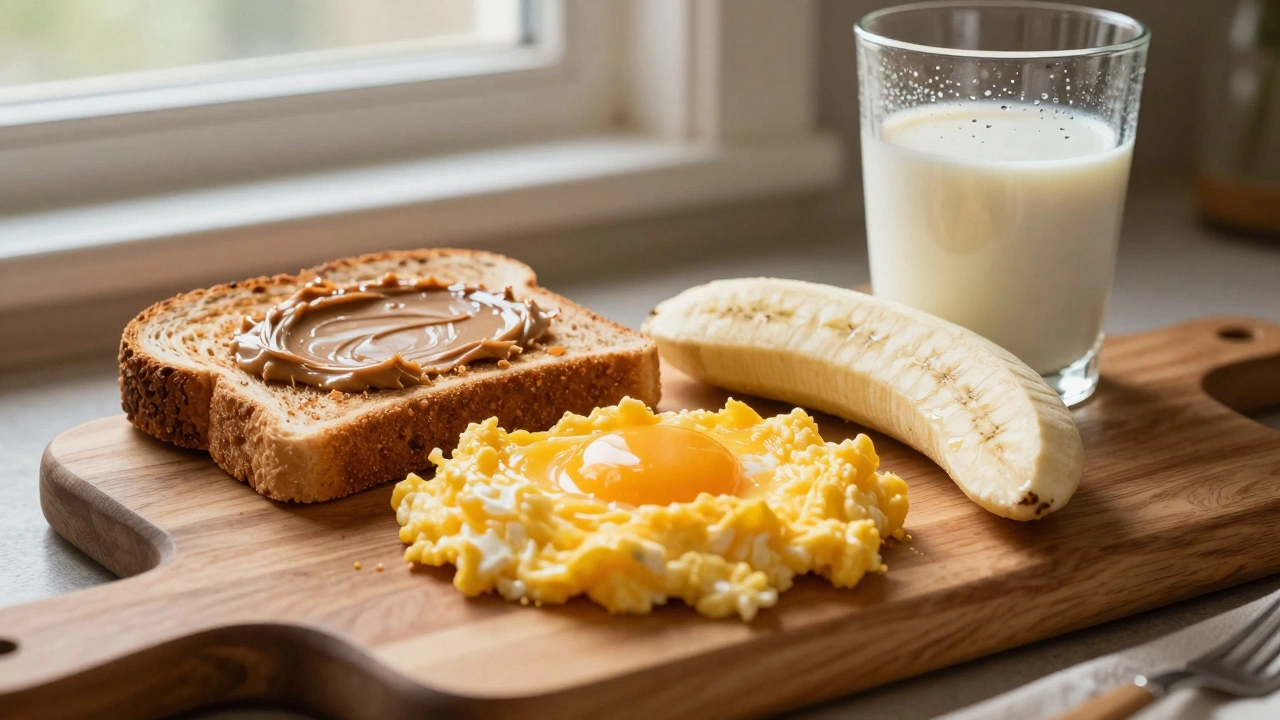
What to Eat to Stop Losing Weight: Practical Meal Ideas for Gaining Healthy Weight
If you're losing weight unintentionally, you need more calories-not just more food. Learn which high-calorie, nutrient-dense meals and snacks actually help you gain healthy weight without junk food.