Durban Gardening Calendar Calculator
Plan Your Garden
Your Planting Guide
Season
Recommended Plants
Avoid Planting Now
Most people think gardening is something you either have a knack for or you don’t. But the truth? Good gardeners aren’t born-they’re built. It’s not about having green fingers. It’s about paying attention, making small adjustments, and learning from what doesn’t work. If you’ve ever planted something and watched it wither, or bought a bag of soil only to see your seedlings turn yellow, you’re not failing. You’re just early in the process.
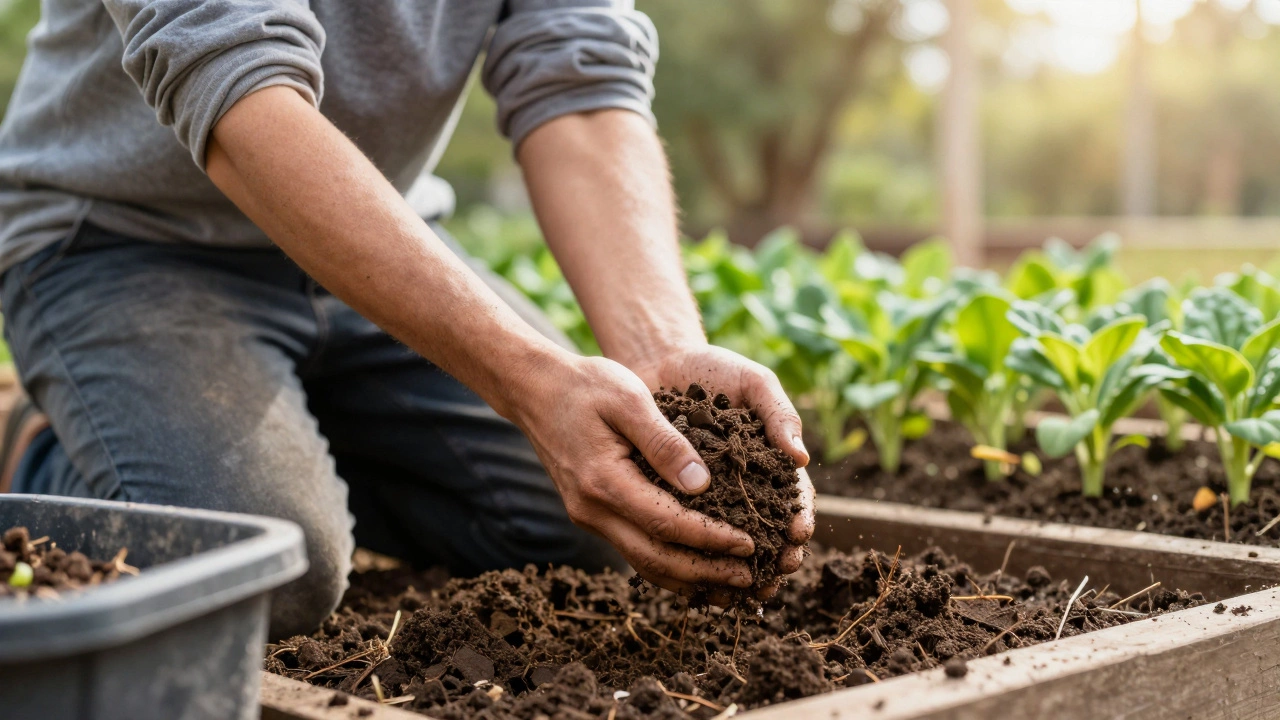
Start with your soil
Your soil is the foundation of everything. It doesn’t matter how much sunlight you have or how fancy your tools are-if the dirt beneath your plants is compacted, lifeless, or full of clay, nothing will thrive. In Durban, where the rainy season turns ground to mud and the dry months bake it hard, soil health makes or breaks a garden.
Grab a handful of soil from your garden bed. Squeeze it. If it forms a tight ball that doesn’t crumble when you poke it, you’ve got clay. If it falls apart instantly, it’s sandy. Neither is ideal. The sweet spot? Soil that holds together lightly, then breaks apart when you blow on it. That’s loam.
You don’t need to buy expensive mixes. Start by adding compost-real compost, not the bagged stuff labeled "garden soil." Make your own from kitchen scraps, grass clippings, and dried leaves. Let it sit for three months. Then mix it into the top 15 centimeters of your soil. Do this twice a year: once before planting season, and again after harvest. Your plants will thank you with stronger roots and fewer pests.
Plant the right things in the right season
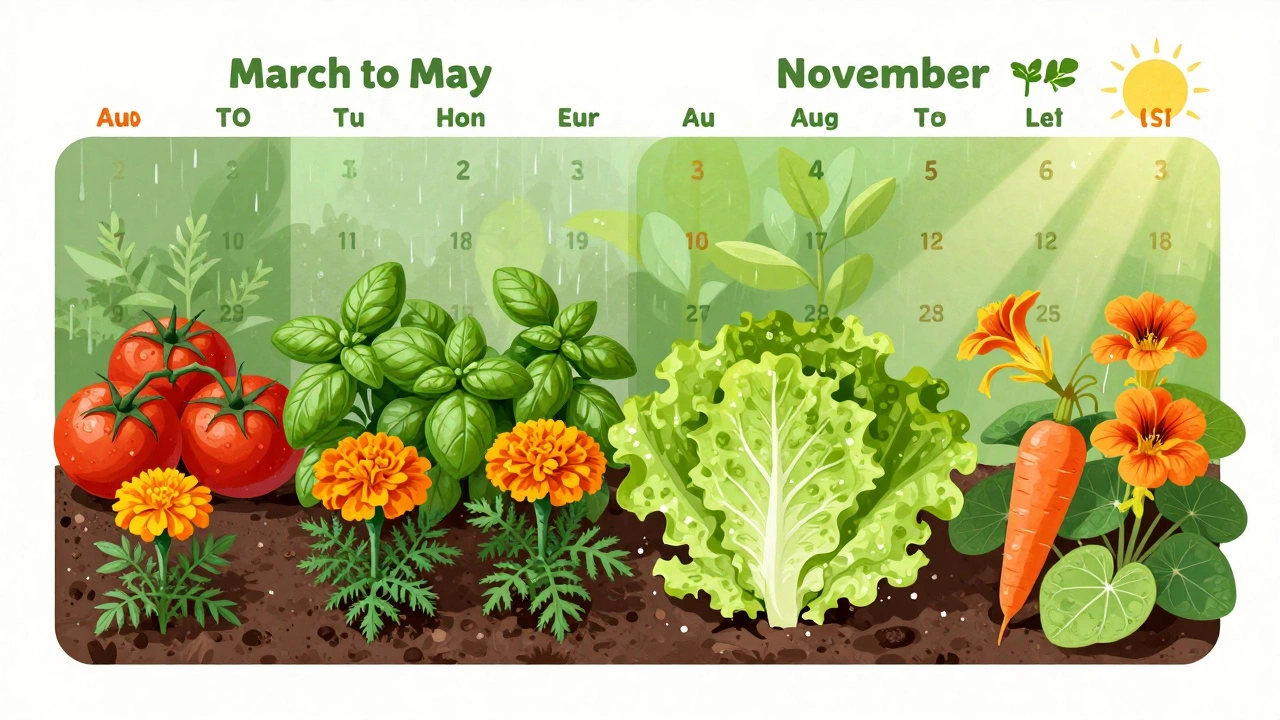
One of the biggest mistakes new gardeners make? Planting tomatoes in winter or lettuce in summer. Plants have calendars, too. In Durban’s subtropical climate, you’ve got two main growing windows: March to May, and August to November. That’s when temperatures hover between 18°C and 26°C-perfect for most veggies and flowers.
Here’s what works best when:
- March-May: Tomatoes, peppers, basil, zucchini, marigolds
- August-November: Lettuce, spinach, carrots, radishes, nasturtiums
Avoid planting heat-loving crops like eggplants or okra before October. They’ll sit there, stunted, waiting for warmth that hasn’t come. And don’t plant cool-weather greens like kale in January. They’ll bolt-shoot up a flower stalk and go bitter-before you even get a leaf.
Use a simple calendar. Write down your planting dates. Notice what worked. Next year, you’ll know exactly when to start.
Water like a local, not like a manual
Most gardening books tell you to water daily. That’s not how nature works. In Durban, heavy afternoon rains are common. If you water every morning, you’re drowning your plants. Roots need air. Constant moisture invites fungus, rot, and pests.
Check the soil two fingers deep. If it’s damp, wait. If it’s dry, give it a deep soak. One thorough watering once or twice a week is better than light sprinkles every day. Water early in the morning. That gives plants time to dry before nightfall, reducing mold risk.
And skip the sprinklers. They waste water, splash dirt onto leaves (spreading disease), and encourage shallow roots. Use a watering can or a hose with a gentle nozzle. Aim at the base of the plant. Let the water sink in slowly.
Learn to identify common problems before they kill your plants
Yellow leaves? Not always a sign you’re overwatering. Sometimes it’s a lack of nitrogen. Black spots on tomato leaves? Early blight. Tiny holes in cabbage? Caterpillars. You don’t need to be a botanist. Just learn to recognize the top five issues in your area.
Here’s what to look for in Durban gardens:
- Yellowing lower leaves: Usually nitrogen deficiency. Fix with compost tea or a handful of blood meal.
- White powder on leaves: Powdery mildew. Improve airflow. Remove affected leaves. Spray with diluted milk (1 part milk to 9 parts water).
- Chewed leaves with no visible bugs: Slugs or snails. Put a ring of crushed eggshells or coffee grounds around plants. Or set out a shallow dish of beer-they’ll crawl in and drown.
- Stunted growth with curling leaves: Aphids. Spray with soapy water (a teaspoon of dish soap in a liter of water).
- Wilting even after watering: Root rot or overwatering. Let the soil dry out completely before watering again.
Take a photo of any strange spot or bug. Compare it with local gardening groups on Facebook or ask at your nearest nursery. Most nurseries in Durban have staff who’ve seen it all-and they’re happy to help.
Start small, then grow
Don’t try to turn your whole backyard into a farm in one season. That’s how people burn out. Start with one raised bed. Or even one large pot. Fill it with good soil. Plant three things you love to eat: tomatoes, herbs, or peppers. Watch them. Tend to them. Fail a little. Learn.
When you’ve got one pot thriving, add another. Then a second bed. Then maybe a trellis for beans or cucumbers. Gardening isn’t about having the most plants. It’s about knowing each one. The more you pay attention, the more your garden becomes a conversation-not a chore.
Keep a simple journal
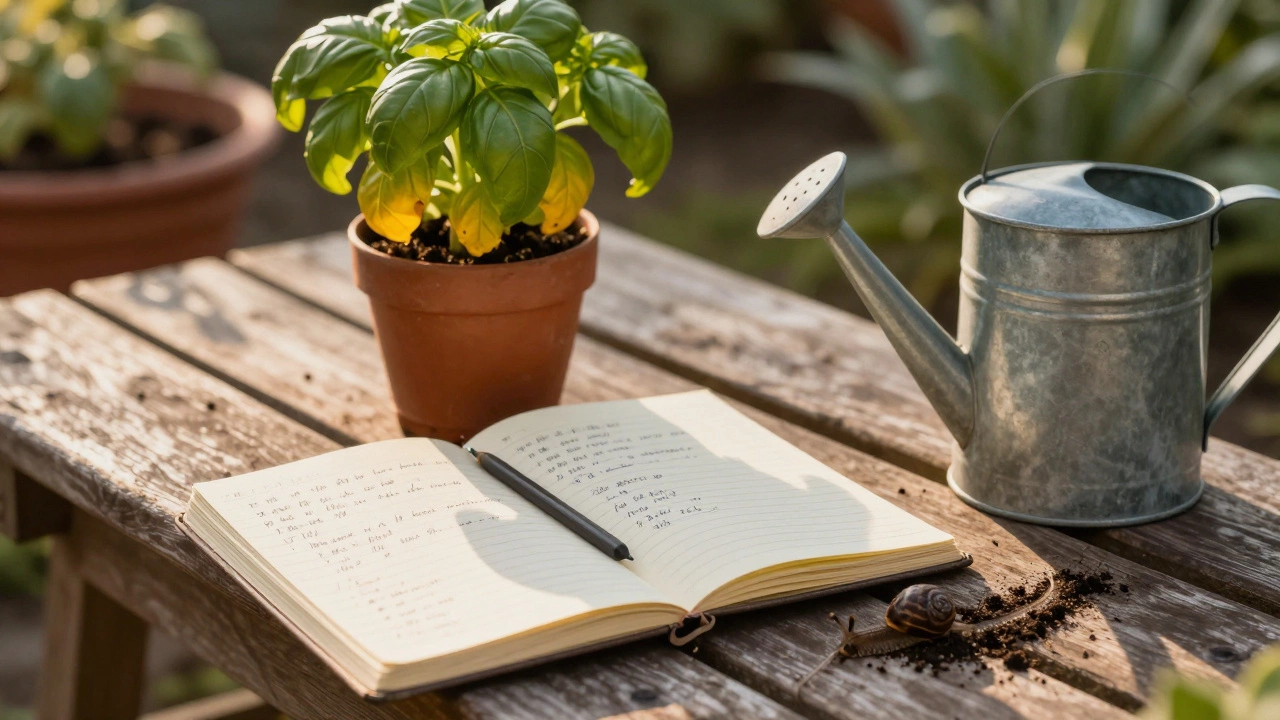
You don’t need a fancy app. A notebook by the back door works. Each time you plant, water, or spot a problem, jot it down:
- What did you plant? (e.g., "Roma tomatoes")
- When? (e.g., "April 12")
- How did it grow? (e.g., "First fruit on May 20. Leaves yellowed after heavy rain.")
- What did you do? (e.g., "Added compost tea. Improved after 3 days.")
Next year, you’ll flip back and see exactly what worked. No guessing. No internet advice. Just your own experience.
It’s okay to fail
Some plants will die. Even the best gardeners lose crops. A blight hits. A frost comes early. A rabbit eats your lettuce. That’s part of it. Don’t take it personally. Gardening teaches patience, not perfection.
The most successful gardeners I know aren’t the ones with the most flowers. They’re the ones who keep showing up. They notice the tiny new leaf. They remember the date they last added compost. They adjust. They try again.
You don’t need a green thumb. You just need curiosity, a little consistency, and the willingness to learn from what doesn’t work. Your garden isn’t a project to finish. It’s a habit to build. And every season, you’ll get better.
How often should I water my garden in Durban?
Water deeply once or twice a week, depending on rainfall. Check the soil two fingers deep-if it’s damp, wait. If it’s dry, soak it slowly at the base of the plants. Avoid daily sprinkling, especially in humid months, as it encourages fungal growth.
What’s the easiest vegetable to grow for beginners?
Basil is one of the easiest. It grows fast, thrives in pots, and doesn’t need much space. Cherry tomatoes are also forgiving-they produce early and keep giving. Both do well in Durban’s climate from March to May or August to November.
Do I need to buy special soil?
No. Regular garden soil can be improved with compost. Mix in 3-5 centimeters of homemade compost twice a year. Avoid bagged "potting mix" for garden beds-it’s too light and drains too fast outdoors. Focus on feeding the soil, not just the plants.
Why are my plant leaves turning yellow?
Yellow leaves usually mean a nutrient issue, most often nitrogen deficiency. It’s not always overwatering. Check if the yellowing starts on older, lower leaves-that’s a classic sign. Add compost or a light sprinkle of blood meal. If the whole plant turns yellow fast, it could be root rot from too much water.
Can I garden if I only have a balcony?
Absolutely. Use containers with drainage holes. Fill them with compost-rich soil. Grow herbs like rosemary, thyme, and mint. Try cherry tomatoes, dwarf peppers, or lettuce. Even a single 30cm pot can give you fresh basil all summer. Sunlight matters more than space-aim for at least 4-6 hours of direct light.