Human Waste Facts: What You Need to Know About Waste, Health, and the Environment
When we talk about human waste, the byproducts of human digestion and bodily functions, including feces and urine. Also known as sewage, it’s not just something that disappears down the drain—it’s a major factor in public health, environmental safety, and global infrastructure. Every person produces about 1.2 pounds of feces a day. Multiply that by billions, and you’re looking at millions of tons of waste generated daily worldwide. Most of it gets treated, but not all. In places without proper sanitation, human waste contaminates water, spreads disease, and kills thousands every year.
Sanitation, the systems and practices that safely manage human waste isn’t optional—it’s survival. The World Health Organization says 3.6 billion people still lack access to safely managed toilets. That means raw sewage flows into rivers, fields, and even drinking water sources. Cholera, dysentery, and typhoid aren’t ancient problems—they’re still alive where waste control fails. Meanwhile, in countries with advanced systems, waste management, the collection, treatment, and disposal of human waste through engineered systems turns sewage into biogas, fertilizer, and clean water. It’s not magic—it’s science. And it’s happening right now in cities from London to Singapore.
Human waste also carries hidden stories. Did you know that the average UK household flushes away more than 150 gallons of water a day—much of it just to carry waste? That’s why low-flow toilets and composting systems are gaining traction. Even your toilet paper choice matters: non-biodegradable wipes clog sewers and end up in oceans. And yes, human waste is being studied for energy. Biogas plants in Germany and Sweden turn sewage into electricity for homes. It’s not sci-fi—it’s practical, scalable, and already working.
What you won’t hear much about? The link between human waste and mental health. When people live without clean toilets, stress skyrockets. Women and girls avoid public spaces, skip school, and suffer in silence. It’s not just a hygiene issue—it’s a dignity issue. And it’s tied to everything from urban planning to gender equality.
What you’ll find in the posts below isn’t a textbook on sewage. It’s real, relatable insight into how waste touches daily life—from the food you eat (grown in treated sludge), to the air you breathe (from methane leaks), to the choices you make when you flush. These articles don’t preach. They show you what’s happening, why it matters, and how small changes add up. You’ll learn how waste systems work, what’s broken, and where progress is actually happening. No jargon. No fluff. Just facts that connect to your life.
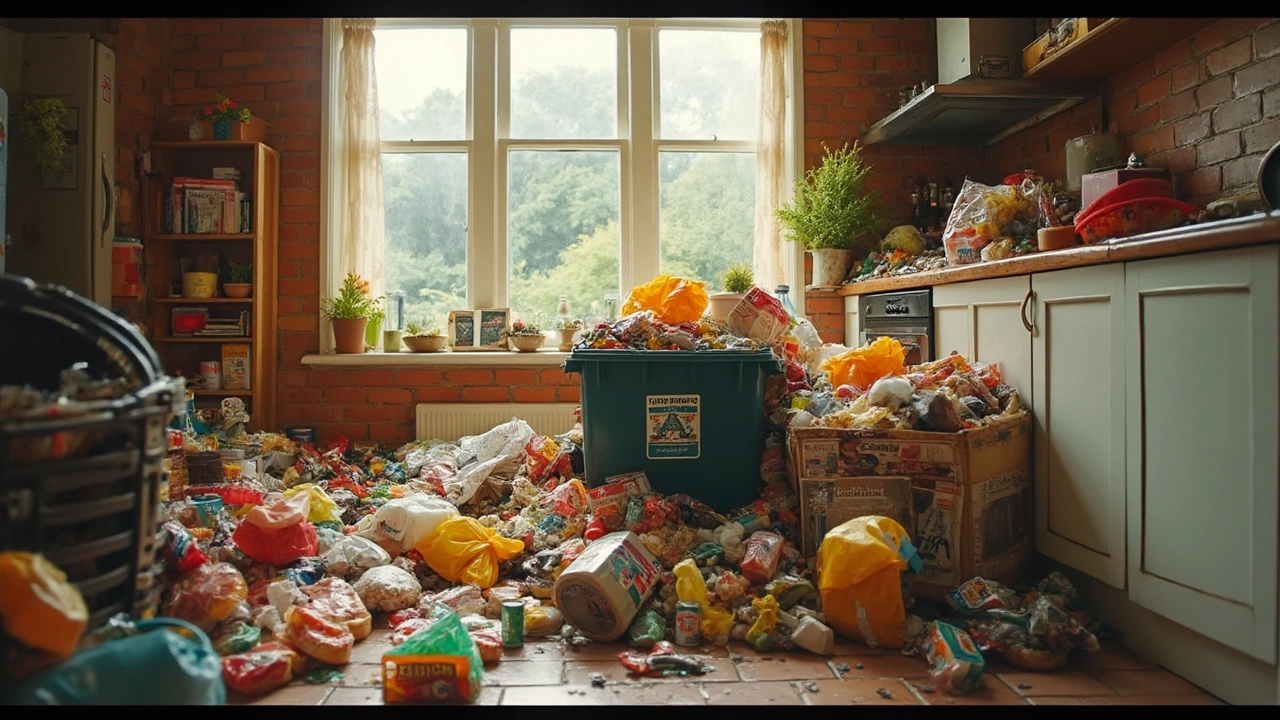
The Shocking Truth About Our Biggest Waste Product and How to Deal With It
Find out what the number one waste product is, why it matters, and how it impacts our daily lives. Get eye-opening facts, stats, and easy tips anyone can use.