Number One Waste Product: What It Is and Why It Matters
When we talk about the number one waste product, plastic waste, especially single-use plastics, that dominates global landfills and oceans. Also known as single-use plastics, it's the most produced and discarded material on Earth—over 400 million tons every year, and less than 10% gets recycled. This isn’t just trash. It’s a symptom of how we live, shop, and think about convenience.
Plastic packaging, bags, bottles, and wrappers make up the bulk of what we throw away. You see it everywhere: takeout containers, snack wrappers, shampoo bottles, coffee cup lids. These items are used for minutes but last for centuries. And while people talk about recycling, most of this stuff never makes it to a facility. It ends up in rivers, beaches, or buried in soil, breaking down into microplastics that find their way into our food and water. The eco-friendly products, alternatives like reusable containers, glass, metal, or compostable materials. Also known as sustainable alternatives, are growing—but adoption is still slow because they often cost more or aren’t as convenient. Meanwhile, companies keep pushing new plastic packaging, even when better options exist. The real issue isn’t just waste—it’s a system designed to create it.
What’s surprising is how much of this waste comes from things we barely notice. A single plastic straw, a candy wrapper, a plastic seal on a yogurt cup—they add up fast. And while some countries ban certain items, others don’t even track it. The sustainable living, a shift toward reducing consumption, reusing what you have, and choosing products with less packaging. Also known as zero-waste lifestyle, isn’t about being perfect. It’s about making better choices one day at a time. You don’t need to quit plastic overnight. But knowing what the number one waste product really is? That’s the first step.
The posts below show real ways people are cutting down on this waste—whether it’s through smarter meal prep that avoids plastic containers, choosing secondhand over new packaging-heavy items, or understanding what "eco-friendly" actually means when you’re shopping. You’ll find practical tips, honest takes on greenwashing, and simple swaps that actually stick. No fluff. No guilt. Just what works in real life.
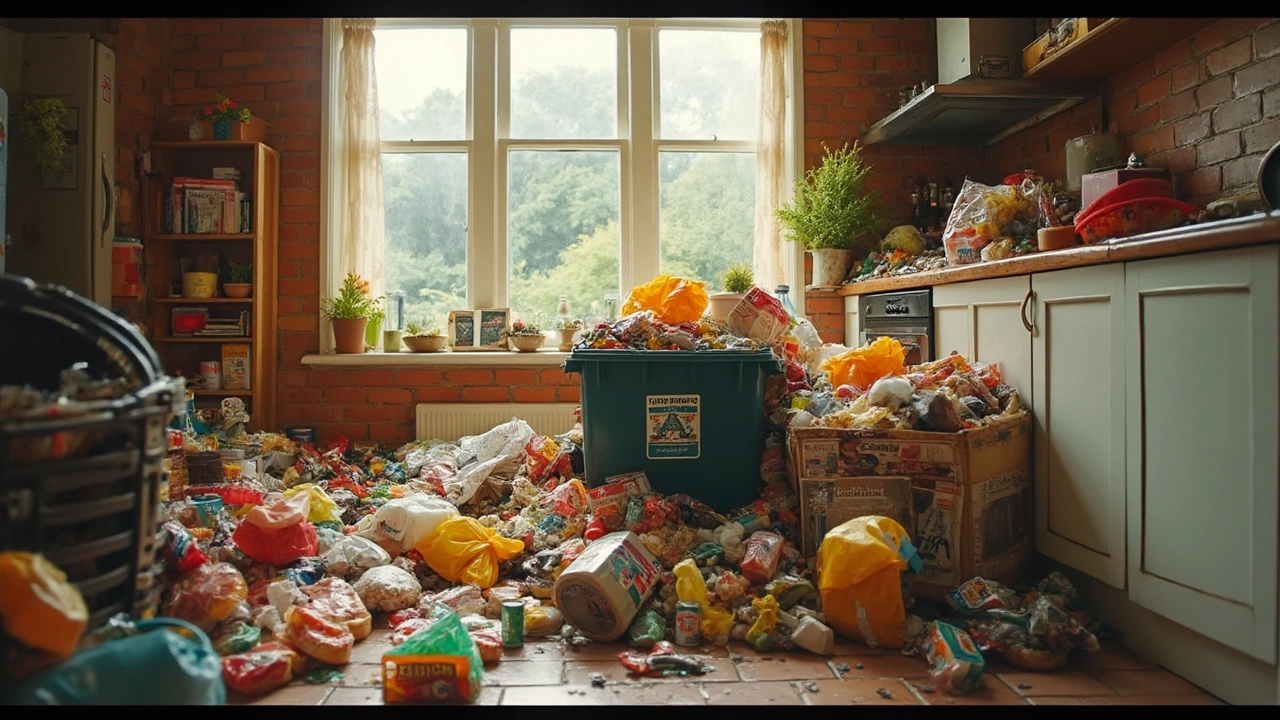
The Shocking Truth About Our Biggest Waste Product and How to Deal With It
Find out what the number one waste product is, why it matters, and how it impacts our daily lives. Get eye-opening facts, stats, and easy tips anyone can use.