Plants Need to Grow: What They Really Require to Thrive
When we say plants need to grow, living organisms that convert light into energy through photosynthesis. Also known as flora, they don’t just sprout on their own—they respond to what you give them, or don’t give them. It’s not magic. It’s biology. And if your plant is drooping, yellowing, or just sitting there, it’s not being lazy—it’s telling you something’s off.
Most people think watering more is the fix. It’s not. Too much water kills more plants than too little. What they actually need is soil health, the condition of soil that supports root development, microbial life, and nutrient flow. Good soil isn’t just dirt. It’s loose, dark, smells earthy, and holds moisture without turning to mud. If your soil is hard as concrete or washes away in a rainstorm, your plant won’t stand a chance—even if you talk to it nicely.
Then there’s sunlight for plants, the essential energy source that drives photosynthesis and determines growth patterns. Not all light is equal. A plant by a north-facing window gets nothing like the same energy as one in direct south sun. And no, a lamp with a fancy "grow bulb" label doesn’t magically fix a dark corner unless it’s designed for actual plant use. Most houseplants thrive with bright, indirect light—not blasting midday sun.
And timing? It matters. You can’t rush a plant’s rhythm. After tilling soil, you wait. After repotting, you wait. After watering, you wait. Plants don’t care about your schedule. They care about consistency. That’s why some of the best gardeners aren’t the ones with the fanciest tools—they’re the ones who pay attention. They check the soil with their fingers. They notice when leaves turn slightly pale. They adjust, slowly, quietly.
What you’ll find in these posts isn’t a list of "10 secrets to perfect plants." It’s real talk from people who’ve killed a few, learned the hard way, and now know what actually works. You’ll see how to pick your first plant based on your home’s light, how to tell if your plant is thirsty or drowning, why some plants grow fast and others crawl, and how to fix common mistakes before they turn into dead plants.
This isn’t about having a Instagram-worthy jungle. It’s about understanding what your plants need—not what a trend says they should need. Because when plants need to grow, they don’t care about aesthetics. They care about survival. And if you give them the basics, they’ll do the rest.
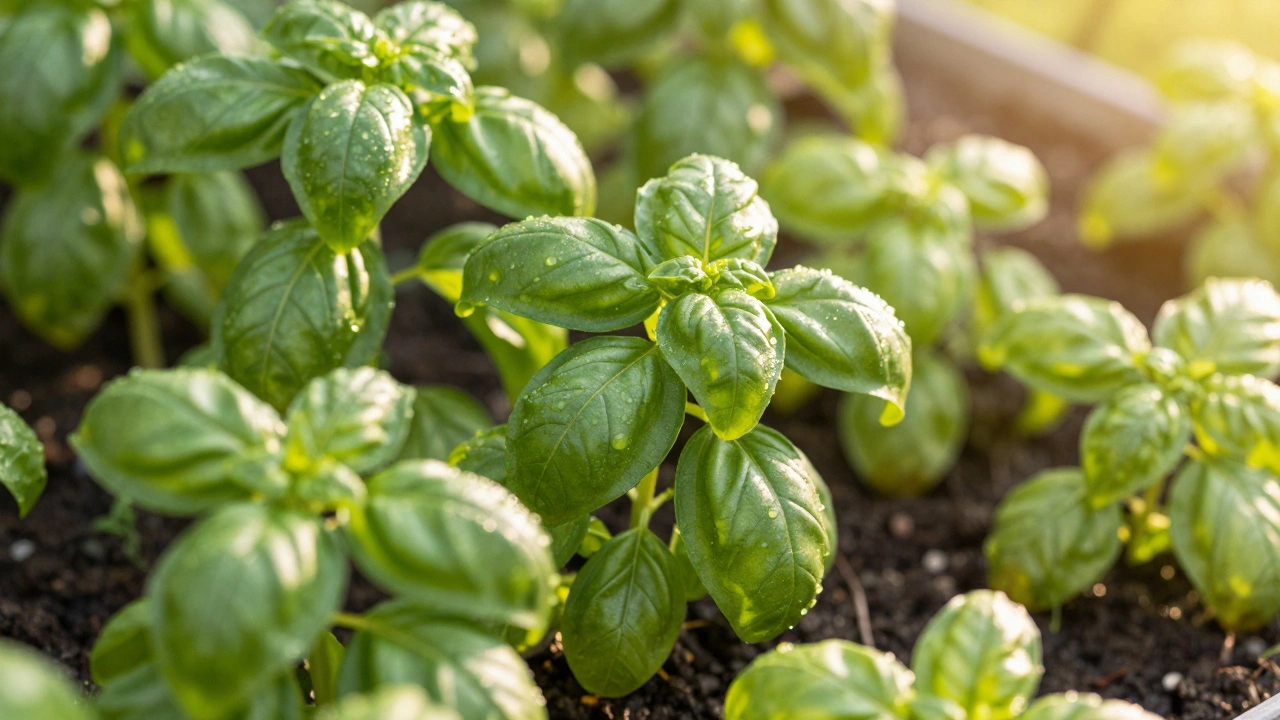
What Are the 7 Things Plants Need to Grow? Simple Rules for Healthier Gardens
Plants need more than just water and sunlight to grow. Learn the seven essential elements-light, water, air, nutrients, soil, temperature, and space-that make the difference between a struggling plant and a thriving one.