Reading 100 Books a Year: How to Actually Do It and What It Changes
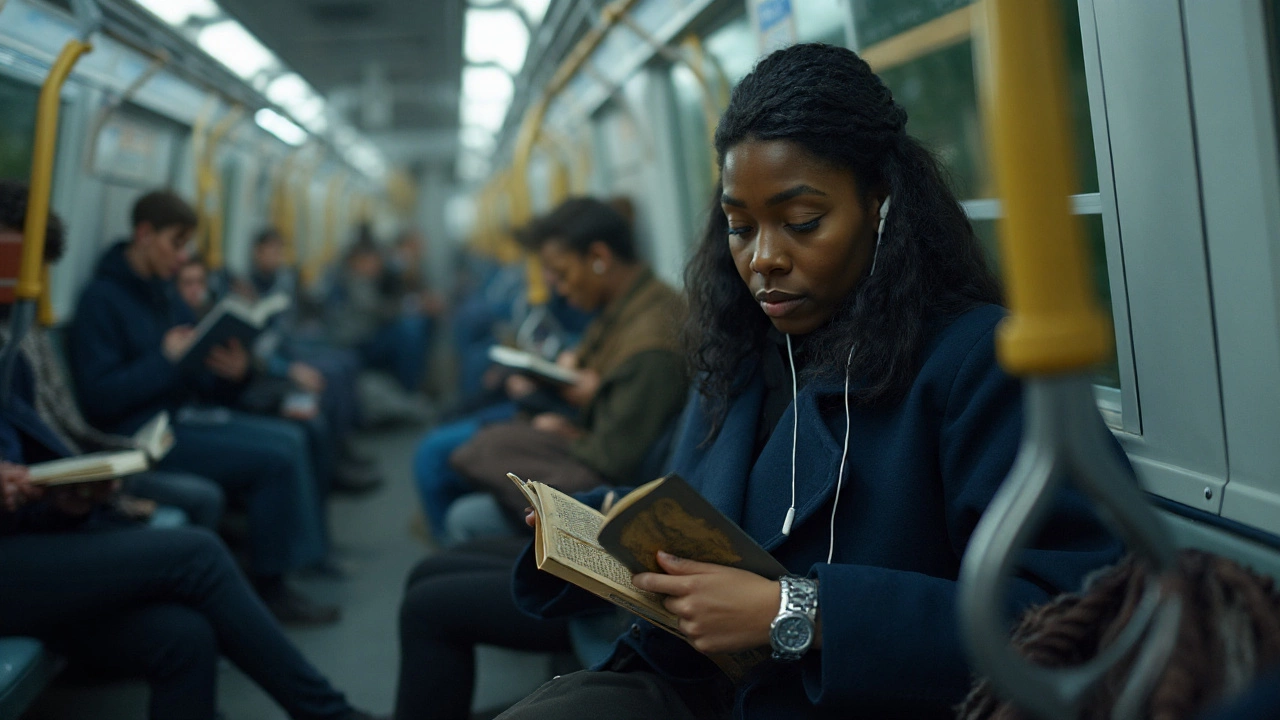
When you aim for reading 100 books a year, a deliberate, high-volume reading goal that transforms how you think, learn, and live. Also known as annual book challenge, it’s not about racing through pages—it’s about building a lifestyle where learning becomes as natural as breathing. Most people think this means reading for hours every day, but that’s not how it works. People who hit this goal don’t have more time—they just use their time differently. They read while waiting in line, during lunch, on the train, or before bed instead of scrolling. It’s not magic. It’s routine.
This kind of reading isn’t just about finishing books. It’s connected to self-improvement books, practical, actionable titles that help you change habits, mindset, and daily choices. These aren’t the fluffy self-help books with vague advice—they’re the ones with clear steps, real data, and tools you can use right away. Think books on focus, decision-making, emotional resilience, and how to build systems instead of relying on willpower. And yes, therapists often recommend these kinds of books because they work—when you pick the right ones. But you can’t just read them. You have to apply them. That’s what separates the 100-book readers from the 10-book readers.
Building a reading habit, a consistent, automatic behavior of picking up a book regularly without needing motivation is the real secret. It’s not about how fast you read. It’s about how often you show up. People who read 100 books a year don’t wait to feel inspired. They read because it’s part of their day, like brushing their teeth. They track progress, not to feel proud, but to stay honest with themselves. They set small goals: 10 pages a day, 30 minutes before bed, one book a week. They use tools like audiobooks during chores, keep a book by the couch, and say no to distractions that eat time. And they don’t force themselves to finish every book. If it’s not helping, they put it down. That’s not quitting—it’s prioritizing.
And here’s the thing: reading 100 books a year doesn’t make you smarter overnight. It makes you more curious. It changes how you see problems. You start noticing patterns—how people think, how systems work, what really drives behavior. You stop reacting and start responding. You begin to ask better questions. You notice when someone’s selling you a quick fix—and you know better. That’s the real payoff.
Below, you’ll find real stories and practical guides from people who’ve done this—not just once, but year after year. You’ll see how they picked books that actually stuck, how they fit reading into busy lives, and what happened when they stopped pretending they had more time than they did. No fluff. No hype. Just what works.
Is Reading 100 Books a Year a Lot? Benchmarks, Time Math, and a Realistic Plan
Is 100 books a year a lot? See how it stacks up to averages, the hours it really takes, and practical ways to hit big reading goals without burning out.