Stress at Work: Real Causes, Quiet Symptoms, and What Actually Helps
When you feel drained by Monday morning, or your jaw clenches before a Zoom call, that’s not just being tired—it’s stress at work, a persistent reaction to demands that outpace your ability to cope. Also known as occupational stress, it doesn’t always show up as crying at your desk. More often, it’s the silent kind: trouble sleeping, constant irritability, or just feeling like you’re running on fumes.
This isn’t about working harder. It’s about how your job fits—or doesn’t fit—with your energy, values, and boundaries. work-life balance, the way you separate or blend professional and personal time isn’t a luxury—it’s your body’s way of staying alive. Studies show people who treat their off-hours like sacred space report 40% less burnout. And it’s not just about leaving early. It’s about mentally disengaging. Can you think about anything besides emails after 7 PM? If not, your nervous system never gets a break.
mental health at work, how your emotional and psychological state interacts with your job environment is rarely talked about in boardrooms, but it’s the hidden cost of toxic cultures. It shows up in people who smile through meetings but cry in the car. In those who skip lunch because they’re "too busy," then crash by 3 PM. In the quiet ones who stop asking for help because they think it makes them weak. Real mental health support isn’t a poster on the wall—it’s flexible hours, real breaks, and leaders who listen without fixing.
You can’t outwork stress. But you can outsmart it. mindful exercise, moving with awareness instead of pushing for results is one of the most underrated tools. It doesn’t require a gym. A 10-minute walk where you notice your breath, your steps, the air on your skin—that’s enough to reset your nervous system. It’s not meditation with leg moves. It’s simply being present while you move. And when you do it daily, your body learns: I’m safe now. I don’t have to stay on high alert.
And let’s be real—some of this stress comes from systems that don’t care if you’re okay. But you can still protect your peace. Setting boundaries isn’t rude. Saying no isn’t failing. Taking a lunch break isn’t lazy. These aren’t grand gestures. They’re daily acts of self-preservation. The posts below aren’t about fixing your job. They’re about fixing how you respond to it. You’ll find real tips on managing overload, reclaiming your time, and building habits that actually stick—not another list of "10 ways to be happier." Just what works, what doesn’t, and why.
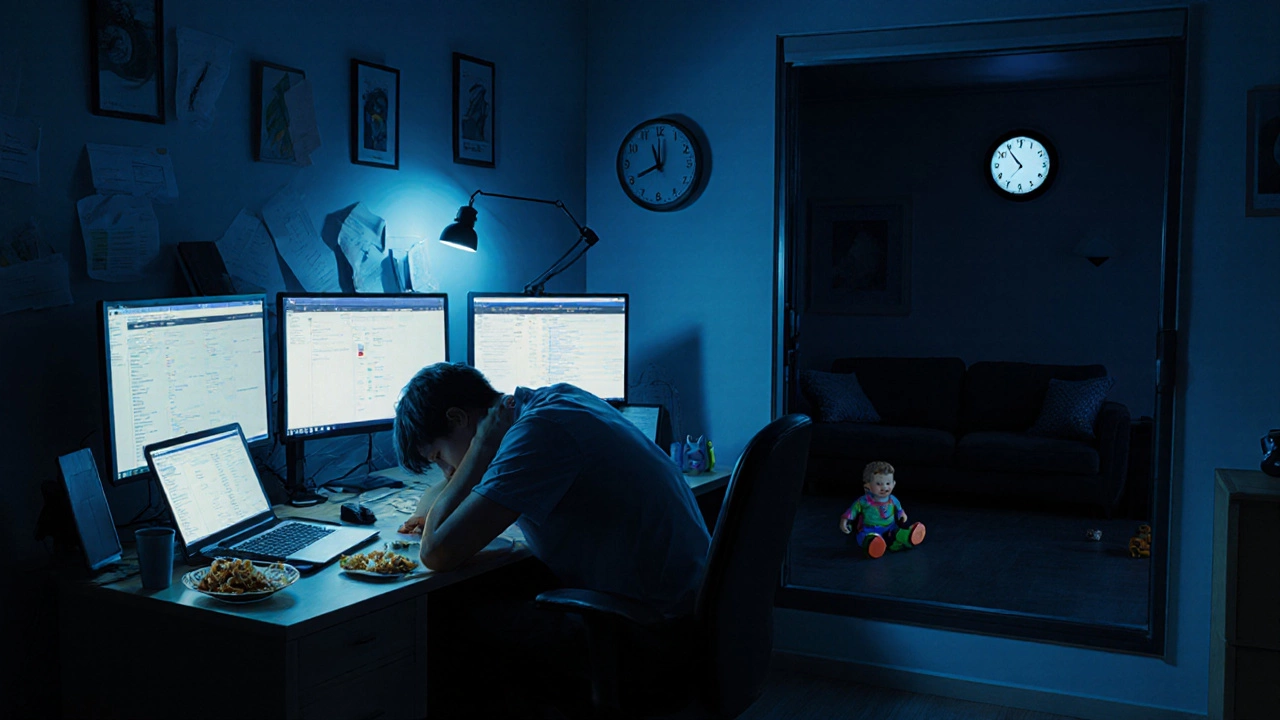
How Many People Struggle with Work-Life Balance in 2025?
Over half of workers today struggle with work-life balance due to blurred boundaries, remote work pressures, and burnout. Learn who's most affected and how to reclaim your time without quitting your job.