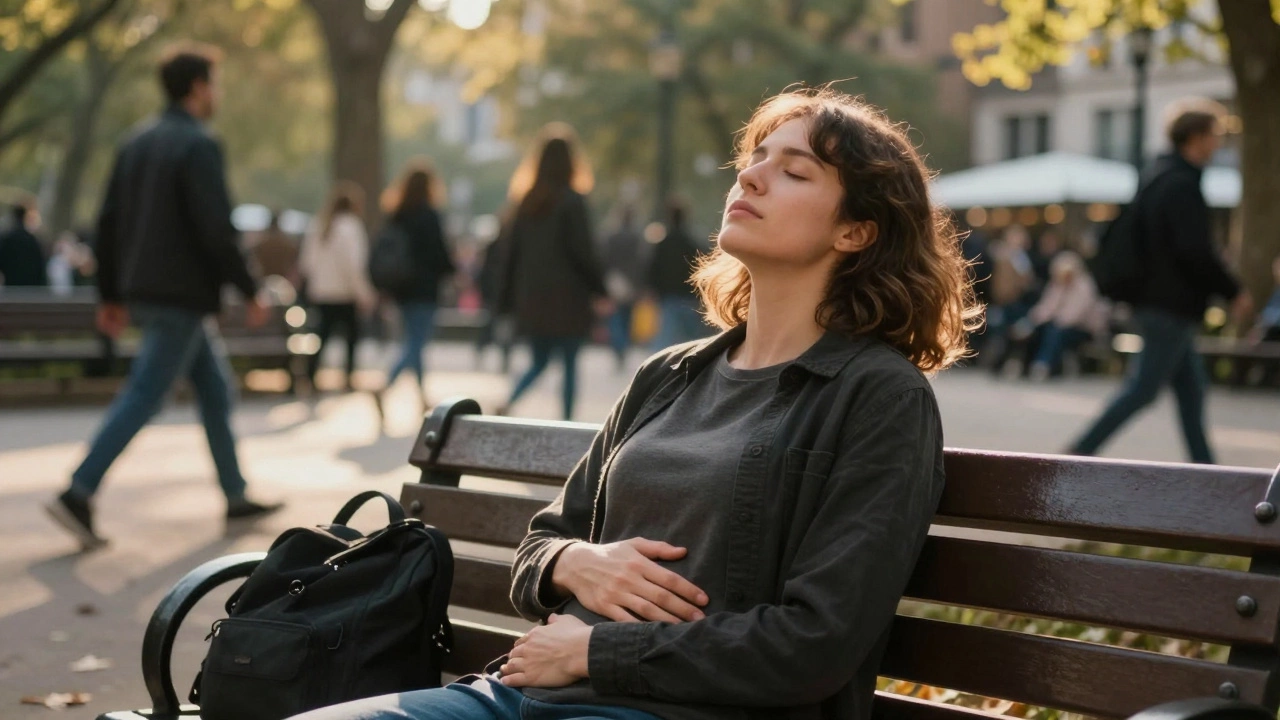
Mindfulness is the simple act of paying full attention to what’s happening right now-your breath, your body, your thoughts-without trying to change anything.
Why This One Sentence Matters
People often think mindfulness is about emptying your mind or achieving a zen-like state. That’s not it. It’s not about stopping thoughts. It’s not about sitting cross-legged for hours. It’s not even about feeling calm. It’s about noticing. Right now. Without judgment.Think about the last time you ate a meal without checking your phone. You tasted the food. You noticed the texture. You heard the crunch. That was mindfulness. Not because you were trying to be mindful, but because you were fully there.
Most of us live on autopilot. We drive to work and don’t remember the drive. We scroll through social media while our kids talk to us. We worry about tomorrow while missing today. Mindfulness flips that. It’s the opposite of distraction. It’s showing up for your own life, even when it’s messy, boring, or uncomfortable.
What Mindfulness Is Not
It’s easy to misunderstand this. Mindfulness isn’t:- A way to fix your anxiety
- A spiritual ritual
- A meditation app subscription
- Something you do only when you’re stressed
- A guarantee you’ll feel happier
You can be mindful and still feel angry. You can be mindful and still be overwhelmed. The goal isn’t to feel better. The goal is to know what you’re feeling-and not fight it.
Studies from Harvard Medical School show that people who practice mindfulness regularly have less activity in the amygdala, the part of the brain that triggers fear and stress. But that’s a side effect, not the point. The point is awareness. Awareness gives you space. Space between stimulus and reaction. That space? That’s where choice lives.
How to Practice Mindfulness Right Now
You don’t need special tools. You don’t need silence. You don’t need 20 minutes.Try this: Stop. Breathe. Just once. Feel the air coming in through your nose. Feel it leave through your mouth. Notice if your shoulders are tight. Notice if your jaw is clenched. Don’t try to relax. Just notice.
That’s it. That’s mindfulness. One breath. One moment. No agenda.
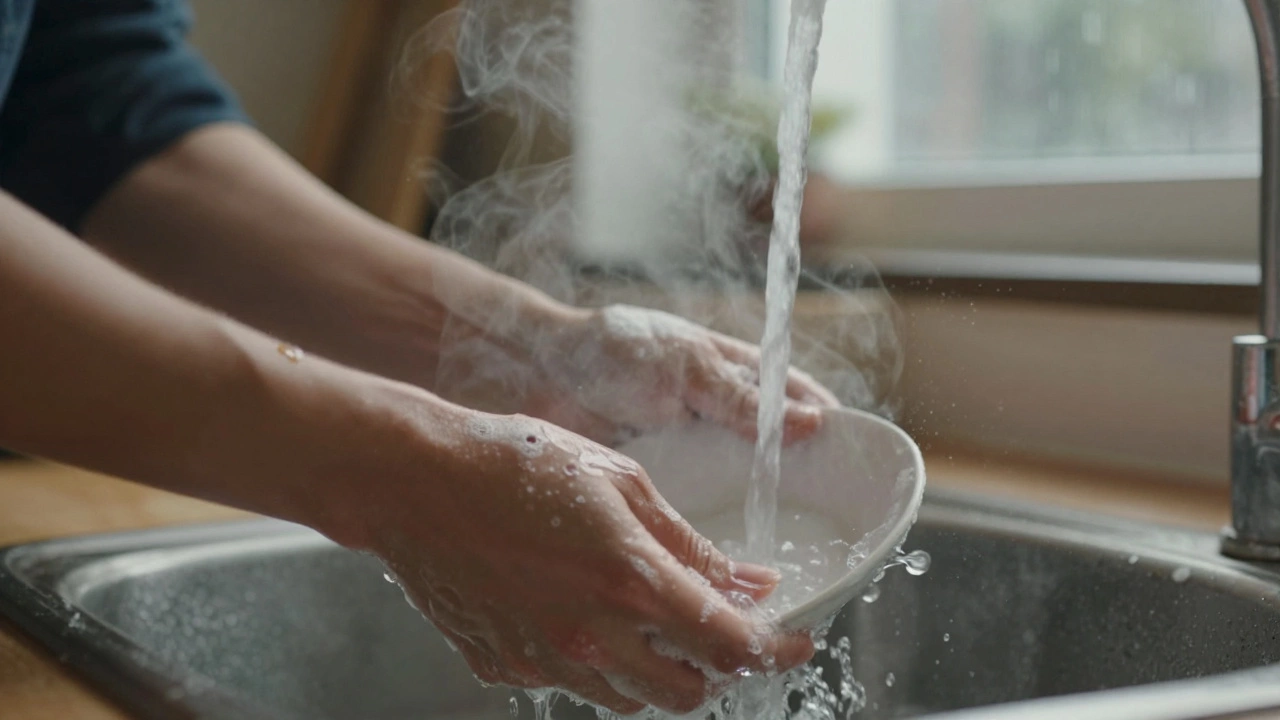
Do it while washing dishes. While waiting in line. While sitting in traffic. Your breath is always there. It doesn’t ask for permission. It doesn’t need a quiet room. It just needs you to notice it.
Real-Life Examples
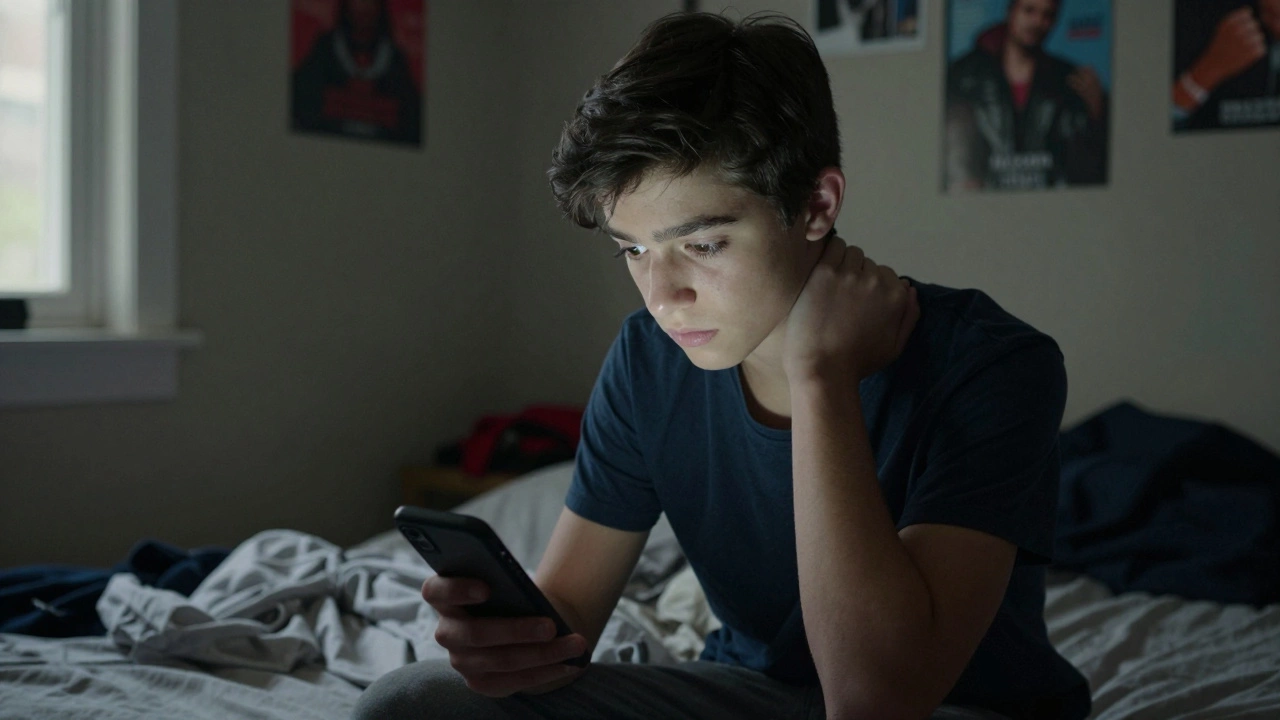
A nurse in a busy hospital uses mindfulness between shifts. She doesn’t meditate. She just takes three deep breaths before opening her front door. She notices the cold air. She hears her own footsteps. She feels her coat against her skin. That’s three seconds. But those three seconds reset her whole day.A teenager scrolls TikTok for hours. One day, she puts her phone down and notices her eyes feel dry. Her neck aches. Her thoughts are scattered. She doesn’t stop scrolling-but now she knows how it feels. That’s mindfulness. Not fixing. Just seeing.
A father argues with his teenager. He feels rage rising. Instead of yelling, he pauses. He feels his heartbeat. He hears his own voice. He notices his hands are clenched. He doesn’t change his reaction yet. But he sees it. That’s the first step to choosing differently next time.
Why It Works
Mindfulness doesn’t change your life. It changes your relationship to your life. You still have bills. You still have deadlines. You still have grief. But you stop fighting reality. You stop blaming yourself for feeling bad. You stop rushing to fix everything.That’s powerful. Because when you stop resisting what’s already here, you stop wasting energy. And energy you were wasting on resistance? That’s energy you can use to actually do something.
Research from the University of Wisconsin-Madison found that after eight weeks of daily mindfulness practice, people showed increased gray matter in brain regions linked to emotional regulation and self-awareness. But again-it’s not about the brain changes. It’s about the quiet moments in between the chaos where you remember: I’m here.
Start Small. Stay Consistent.
You don’t need to become a monk. You don’t need to buy a cushion. You don’t need to download an app.Just pick one thing you do every day. Brushing your teeth. Drinking coffee. Walking to your car. Do it slowly. Pay attention to the sensations. The taste. The temperature. The movement. When your mind wanders-like it will-gently bring it back. No scolding. No praise. Just return.
That’s the practice. Not perfection. Not peace. Just return.
Do this for five days. Then ask yourself: Did I feel more present? Did I notice anything I usually miss? Did I react differently to something that normally upset me?
If the answer is yes-even once-you’ve already changed something.
What Comes Next
Mindfulness isn’t a destination. It’s a habit. Like brushing your teeth. You don’t do it because it’s exciting. You do it because it keeps your mind clear, your reactions calmer, and your life less on autopilot.There’s no finish line. There’s no badge. There’s no app that says you’ve "mastered" it. There’s only now. And now. And now.
That’s the whole thing.
Can mindfulness help with anxiety?
Yes, but not because it makes anxiety disappear. Mindfulness helps by teaching you to notice anxious thoughts without getting swept away by them. Instead of thinking, "I’m going to fail," you learn to think, "I’m having the thought that I’m going to fail." That small shift creates space-and space reduces the power of the fear.
Do I need to meditate to be mindful?
No. Meditation is one way to practice mindfulness, but it’s not the only way. You can be mindful while walking, eating, washing dishes, or even listening to someone talk. The key isn’t the activity-it’s the attention you bring to it.
How long until I see results?
Some people notice a difference in as little as three days. Others take weeks. It depends on how often you practice, not how long. Even 60 seconds of focused breathing, done daily, builds awareness over time. Consistency beats duration every time.
Is mindfulness religious?
Mindfulness has roots in Buddhist traditions, but what’s practiced today in schools, hospitals, and workplaces is secular. It’s about attention, not belief. You don’t need to adopt any philosophy, religion, or spiritual view to benefit from it.
What if I can’t stop thinking?
You’re not supposed to stop thinking. That’s not the goal. The goal is to notice when your mind has wandered-and gently bring it back. Every time you notice and return, you’re strengthening your attention muscle. The thoughts aren’t the problem. Getting lost in them is.