
Unhealthy Lifestyle Self-Assessment
Answer these 5 quick questions to see how your current habits align with healthy living principles. This tool is for informational purposes only and does not replace professional medical advice.
1. How many hours do you typically sleep per night?
2. How much time do you spend sitting continuously during work?
3. What does your typical daily diet look like?
4. How do you handle stress and downtime?
5. Do you engage in any physical movement daily?
Your Lifestyle Score
Recommended Next Steps:
You wake up tired. You drink your third coffee before 10 AM just to feel human. By lunch, you’re staring at a screen, eating something processed because there was no time for anything else. Then you crash at 3 PM, push through the evening with willpower, and scroll your phone until midnight because you finally have ten minutes of silence. Sound familiar?
This isn’t just "being busy." This is a classic unhealthy lifestyle pattern where chronic stress, poor nutrition, and lack of movement erode physical and mental well-being over time. Most people don’t realize they’re living this way until their body starts screaming-through back pain, anxiety, or that stubborn weight that won’t budge despite diet attempts.
The tricky part? An unhealthy lifestyle rarely looks like one big bad decision. It’s usually a collection of small, seemingly harmless choices that stack up. Maybe you skip breakfast every day. Maybe you sit for nine hours straight. Maybe you think checking emails in bed helps you stay ahead. In reality, these habits create a feedback loop that drains your energy and shortens your lifespan.
The hidden anatomy of modern exhaustion
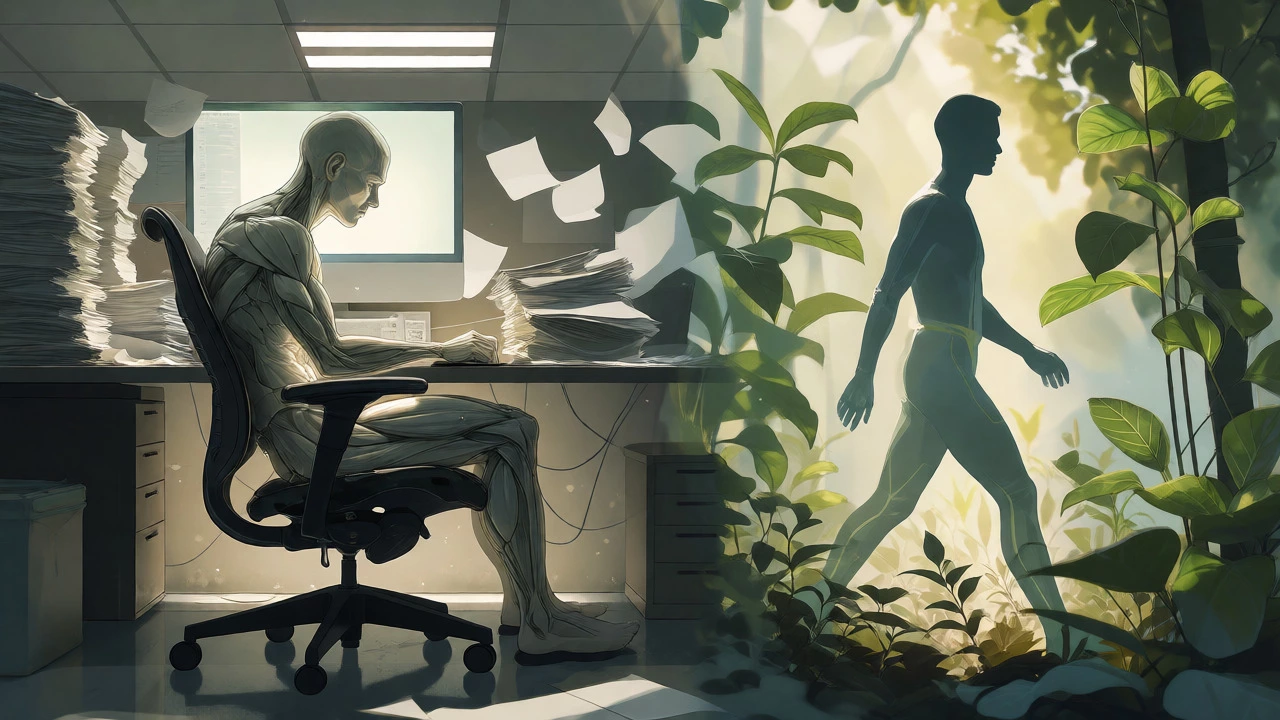
We often blame ourselves for being lazy when we’re actually fighting biology. Your body wasn’t designed for constant sitting, artificial light, and high-stress deadlines without recovery. When you ignore these mismatched demands, your system adapts-but not in a good way.
Consider chronic inflammation. A persistent immune response triggered by stress, poor diet, and lack of sleep that damages tissues over years. Think of it like a low-grade fire burning inside your cells. You might not feel pain today, but five years from now, that fire contributes to heart disease, diabetes, and autoimmune issues. The fuel? Sugar spikes, cortisol surges from work pressure, and zero movement to help clear out metabolic waste.
It’s not just about calories. It’s about rhythm. Humans thrive on consistency: regular sleep windows, balanced meals, and daily movement. When you disrupt this rhythm consistently, your hormones go haywire. Cortisol stays high, insulin resistance creeps in, and serotonin production drops. Suddenly, you’re not just tired; you’re biologically primed for illness.
Signs you’re living an unhealthy lifestyle (even if you look fine)
You don’t need a diagnosis to know something’s off. Your body sends signals long before a doctor can label you "at risk." Here are the red flags most people ignore:
- Sleep debt disguised as productivity: If you rely on alarms to wake up and caffeine to function, you’re running on fumes. Adults need 7-9 hours of quality sleep. Less than six hours regularly correlates with a 48% higher risk of obesity and significant cognitive decline.
- The "sitting disease": Prolonged sedentary behavior slows metabolism and weakens core muscles. Even if you hit the gym for an hour, eight hours of continuous sitting negates many benefits. Stand up every 30 minutes. Seriously.
- Digital addiction affecting focus: Constant notifications fragment your attention span. This isn’t just annoying; it keeps your brain in a state of hyperarousal, preventing deep rest and increasing anxiety levels.
- Nutritional gaps: Eating ultra-processed foods leads to nutrient deficiencies even if you’re consuming enough calories. Low magnesium, vitamin D, and fiber intake directly impact mood and energy stability.
If three or more of these sound like your Tuesday, you’re already operating in deficit mode. The good news? These patterns are reversible.
Why work-life balance is the missing link
Here’s the controversial truth: You cannot out-diet or out-exercise a toxic work culture. Many professionals believe that working harder means earning better health later. But the data says otherwise. Burnout isn’t just emotional; it’s physiological.
When work bleeds into personal time, your parasympathetic nervous system-the "rest and digest" mode-never fully activates. You remain in "fight or flight," which suppresses digestion, impairs immune function, and disrupts sleep architecture. Over time, this leads to conditions like irritable bowel syndrome, frequent colds, and insomnia.
A healthy work-life balance isn’t about leaving work at 5 PM sharp. It’s about boundaries. It means disconnecting from digital devices during meals. It means prioritizing sleep over late-night email checks. It means recognizing that your value isn’t tied to your output per hour.
| Lifestyle Factor | Common Behavior | Physiological Impact | Long-term Risk |
|---|---|---|---|
| Sedentary Work | >6 hours sitting/day | Reduced lipase activity, poor circulation | Heart disease, type 2 diabetes |
| Poor Sleep Hygiene | <6 hours sleep/night | Elevated ghrelin (hunger hormone), impaired glucose tolerance | Obesity, cognitive decline |
| Chronic Stress | No downtime between tasks | Sustained high cortisol, suppressed immunity | Anxiety, hypertension, inflammation |
| Processed Diet | High sugar, low fiber | Gut microbiome imbalance, blood sugar spikes | Metabolic syndrome, mood disorders |
How to break the cycle without overwhelming yourself
Don’t try to overhaul everything at once. That’s how most people fail. They join a gym, buy kale, delete social media, and quit within two weeks. Instead, pick one anchor habit and build from there.
Start with movement snacks. You don’t need a 45-minute workout. Do ten squats while waiting for the kettle to boil. Walk during phone calls. Stretch for five minutes after waking up. These micro-movements improve circulation and reduce stiffness without requiring a change of clothes or shoes.
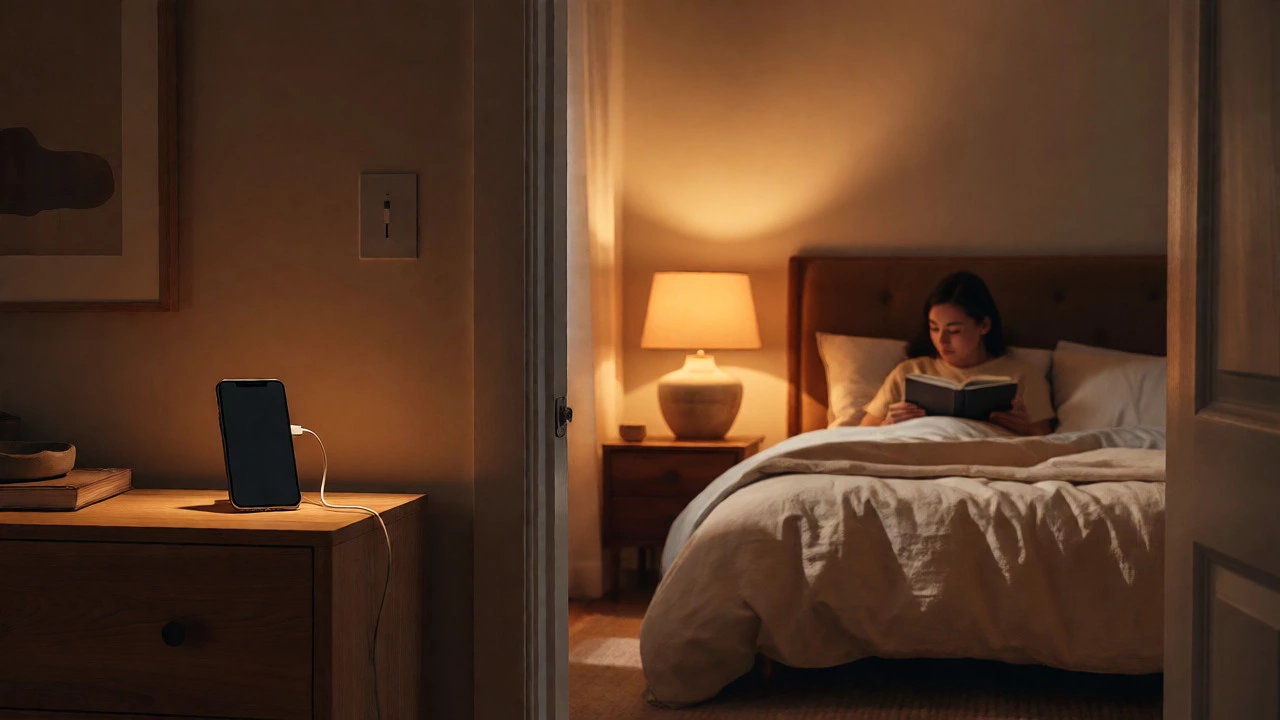
Next, tackle your environment. Willpower is finite; design your space to make healthy choices easier. Keep water visible on your desk. Remove junk food from eye level. Charge your phone outside the bedroom. Small environmental tweaks reduce decision fatigue and support automatic healthy behaviors.
Finally, protect your sleep like it’s your job. Establish a wind-down routine 30 minutes before bed. Dim lights, avoid screens, and engage in low-stimulation activities like reading or journaling. Consistent sleep timing regulates circadian rhythms, improving energy and mood naturally.
Real-world example: The "busy professional" trap
Meet Sarah, a marketing manager in Durban. She exercises three times a week but sits for 10 hours a day. She eats healthy lunches but skips breakfast and dinners due to overtime. She sleeps poorly because she checks emails in bed. Despite her efforts, she feels exhausted and gained weight.
Her issue wasn’t lack of effort; it was fragmentation. Her healthy habits were isolated islands in a sea of stress. We adjusted her routine: she started walking for 10 minutes after lunch, set a hard stop for emails at 7 PM, and moved her phone charger to the hallway. Within three weeks, her energy stabilized, and her sleep improved significantly. No new diets, no expensive supplements-just structural changes.
When to seek professional help
Sometimes, lifestyle changes aren’t enough. If you experience persistent fatigue, unexplained weight changes, or chronic pain, consult a healthcare provider. Underlying conditions like thyroid disorders, anemia, or depression can mimic lifestyle-induced symptoms.
Also, consider mental health support. Therapy or counseling can help you address the root causes of stress and develop coping strategies that fit your life. Ignoring mental health only prolongs physical decline.
Can I be overweight and still have a healthy lifestyle?
Yes, though it’s complex. Someone can exercise regularly, eat whole foods, and manage stress well but still carry extra weight due to genetics or medical conditions. However, if those healthy habits are absent, the weight gain is likely a symptom of an unhealthy lifestyle pattern rather than just caloric surplus.
How does screen time affect my health?
Excessive screen time, especially before bed, disrupts melatonin production, leading to poor sleep quality. During the day, it encourages sedentary behavior and can increase eye strain and headaches. Blue light exposure also affects mood and cognitive performance.
Is it too late to fix an unhealthy lifestyle if I’m over 40?
No. While some age-related changes are inevitable, adopting healthier habits at any stage improves quality of life and reduces disease risk. Studies show that starting exercise and dietary improvements in middle age significantly lowers mortality rates compared to staying inactive.
What is the biggest mistake people make when trying to get healthy?
Trying to change everything at once. Radical overhauls often lead to burnout and quitting. Sustainable change comes from small, consistent adjustments that become automatic over time.
Does stress really cause physical illness?
Absolutely. Chronic stress triggers the release of cortisol and adrenaline, which can raise blood pressure, suppress the immune system, and contribute to digestive issues. Long-term stress is linked to heart disease, diabetes, and mental health disorders.