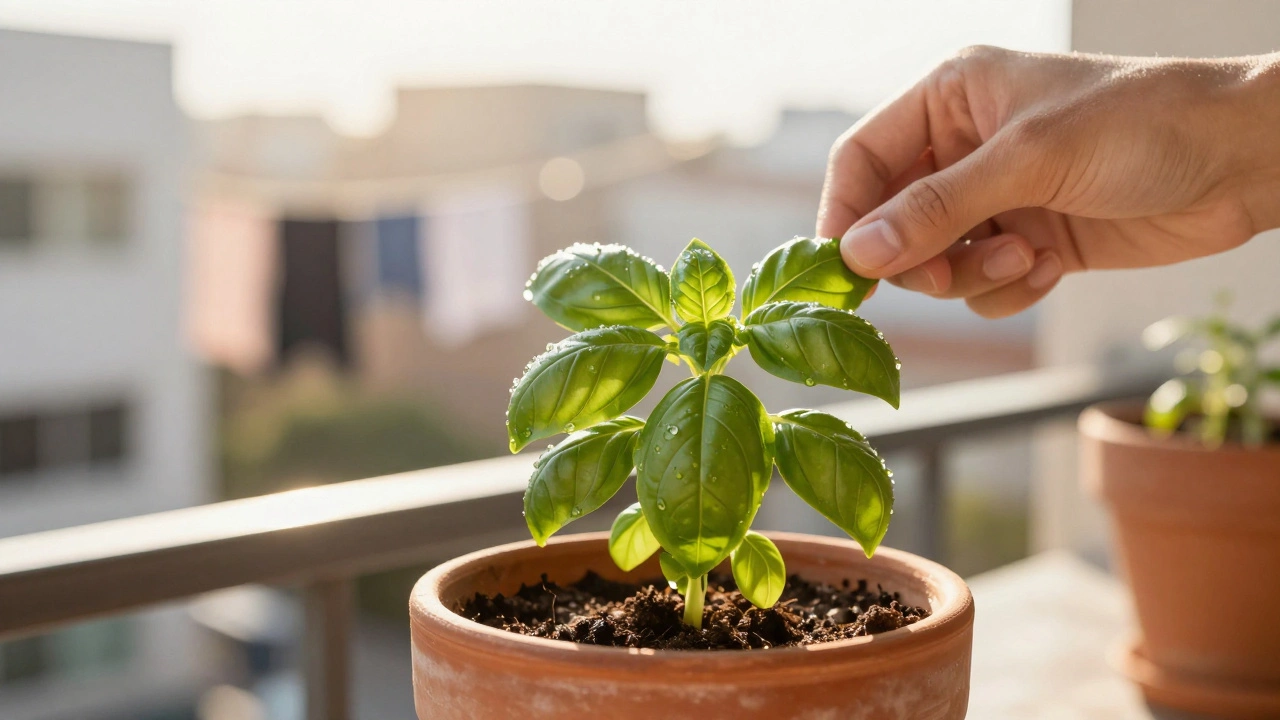
If you’ve never gardened before, staring at a patch of dirt can feel overwhelming. What do you plant first? Where do you start? The answer isn’t about fancy tools or rare seeds-it’s about building confidence, one simple plant at a time. In Durban’s warm, humid climate, the best first plant isn’t the showiest or the trendiest. It’s the one that grows fast, rewards patience, and teaches you how to read your soil, your sun, and your own rhythm.
Start with Basil
Basil is the perfect first plant for new gardeners in Durban. It’s forgiving, fast-growing, and smells amazing when you brush past it. You don’t need a huge space-a pot on your balcony or a small patch beside your kitchen wall works fine. Basil thrives in full sun and well-drained soil, which matches Durban’s spring and summer conditions perfectly.
Buy a small seedling from a local nursery, not seeds. First-time gardeners often think starting from seed is cheaper, but basil seeds are fussy. They need consistent warmth and moisture to sprout, and most beginners end up with a few weak seedlings or none at all. A healthy 10cm seedling, bought for around R15, will give you leaves you can harvest in under three weeks.
Water it every other day, not daily. Let the top inch of soil dry out between waterings. If the leaves turn yellow, you’re overwatering. If they curl and droop, it’s thirsty. You’ll learn more about your garden in those first few weeks than you would reading ten blog posts.
Why Basil Beats Other Popular Choices
You might hear people say to start with tomatoes, lettuce, or marigolds. But here’s why basil wins:
- Tomatoes need staking, pruning, and consistent feeding. They’re prone to blight in humid climates like Durban’s. Too much for a first try.
- Lettuce grows fast, but it bolts (goes to seed) quickly in warm weather. By the time you figure out watering, it’s already bitter.
- Marigolds are pretty and repel pests, but they don’t give you anything back except color. Basil gives you flavor, scent, and a reason to keep coming back.
Basil doesn’t just survive in Durban-it thrives. It grows taller than you expect, spreads out, and rewards you with leaves you can use in pasta, on pizza, or just crushed into olive oil for a quick snack. That immediate payoff? That’s what keeps people gardening.
How to Plant Basil (Step by Step)
You don’t need a manual. Just follow these simple steps:
- Choose a container at least 20cm wide and deep, or clear a 30cm square patch in your garden.
- Fill it with good quality potting mix. Avoid garden soil-it’s too heavy and may carry pests.
- Gently remove the basil from its plastic pot. Loosen the roots a little if they’re tightly wound.
- Place it in the hole so the top of the root ball is level with the soil surface.
- Firm the soil around it with your fingers. Water lightly until water runs out the bottom.
- Put it where it gets at least 6 hours of direct sun. Morning sun is best in Durban-afternoon sun can be too hot.
That’s it. No fertilizer needed for the first month. No special tools. Just water, sun, and a little attention.
What to Watch For
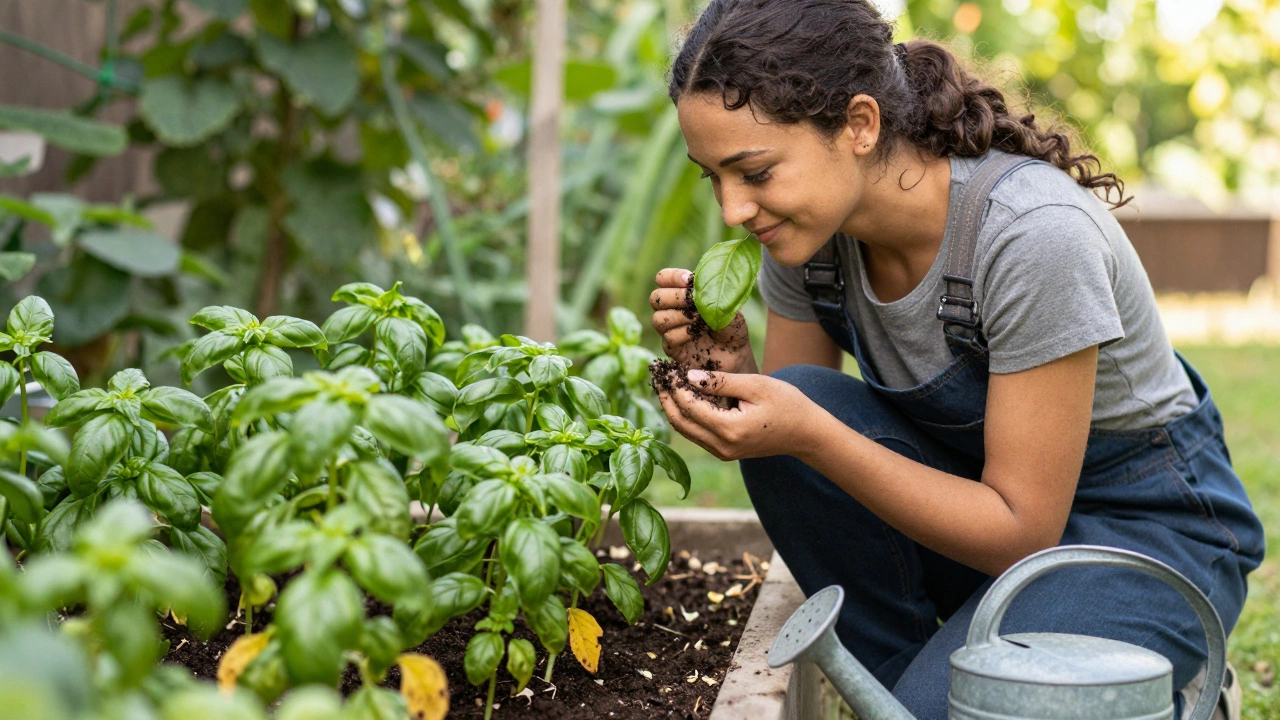
Within a week, you’ll see new leaves sprouting. That’s your sign you’re doing something right. But here’s what can go wrong-and how to fix it:
- Yellow leaves: Usually too much water. Let the soil dry out for a couple of days.
- Leggy, spindly growth: Not enough light. Move it to a sunnier spot.
- Small leaves or slow growth: It might need nutrients. A weak solution of compost tea or diluted seaweed fertilizer helps.
- White spots or fuzzy mold: Too much moisture on leaves. Water at the base, not from above.
Don’t panic if something looks off. Gardening isn’t about perfection. It’s about observation. You’re not failing-you’re learning.
Harvesting Your First Crop
When your basil plant has six to eight sets of leaves, it’s ready to harvest. Pinch off the top leaves just above a pair of lower leaves. This encourages bushier growth. Never cut more than a third of the plant at once.
Use those leaves right away. Tear them, don’t chop them. Heat kills the flavor. Toss them into scrambled eggs, over grilled bread with garlic oil, or into a simple tomato salad. The taste will surprise you-bright, peppery, alive. That’s the moment you realize: you grew this.

What Comes Next
Once your basil is thriving, you’ll naturally want to try something else. That’s when you’re ready. Next, plant coriander-it’s similar to basil but grows faster and dies back quicker. Or try chives in a pot near your door. They’re hardy and come back every year.
Then, move to tomatoes. But only after you’ve learned how to water, how to spot pests, and how to read your own habits. Gardening isn’t about what you plant. It’s about what you learn while you’re planting it.
Why This Matters Beyond the Garden
Starting with basil isn’t just about getting a good harvest. It’s about building a relationship-with your hands, your environment, and your patience. In a world full of instant results, gardening teaches you to wait. To notice. To care.
People in Durban have been growing food in small spaces for generations. It’s not about having a big yard. It’s about knowing how to make something grow where you are. Basil is your entry point. It’s simple. It’s real. And it’s yours.
Can I plant basil in winter in Durban?
No. Basil is a warm-season herb and won’t survive frost or cold nights. In Durban, the coolest months are June to August, with nighttime temperatures sometimes dipping below 10°C. Plant basil only after the last frost, usually in late August or early September. If you want to grow herbs in winter, try rosemary or thyme-they’re hardier.
Do I need to use fertilizer for basil?
Not at first. Basil grows well in good potting mix for the first 4-6 weeks. After that, if the leaves look pale or growth slows, give it a light feed every 3-4 weeks. Use organic options like compost tea or diluted seaweed extract. Avoid strong chemical fertilizers-they make the leaves taste bland.
Why does my basil keep flowering?
Basil flowers when it’s stressed or when days get longer. Once it blooms, the leaves lose flavor. To prevent this, pinch off flower buds as soon as you see them. This also encourages more leaf growth. Don’t worry-you can still eat the flowers. They’re mild and pretty in salads.
Can I grow basil indoors?
You can, but it won’t thrive unless it gets at least 6 hours of direct sunlight. A sunny windowsill in Durban works in spring and summer. In winter, indoor basil often gets leggy and weak. If you’re serious about indoor herbs, invest in a small grow light. Otherwise, keep it outside where it belongs.
How long will one basil plant last?
In Durban’s climate, a healthy basil plant can last 4-6 months if you keep harvesting and prevent flowering. It’s an annual, so it won’t survive winter. But if you save seeds from a strong plant, you can grow new ones next season. Or just buy new seedlings every spring-they’re cheap and easy.