UK Travel Safety & Risk Calculator
Select your trip details and click "Assess My Risk Level" to generate your personalized safety guide.
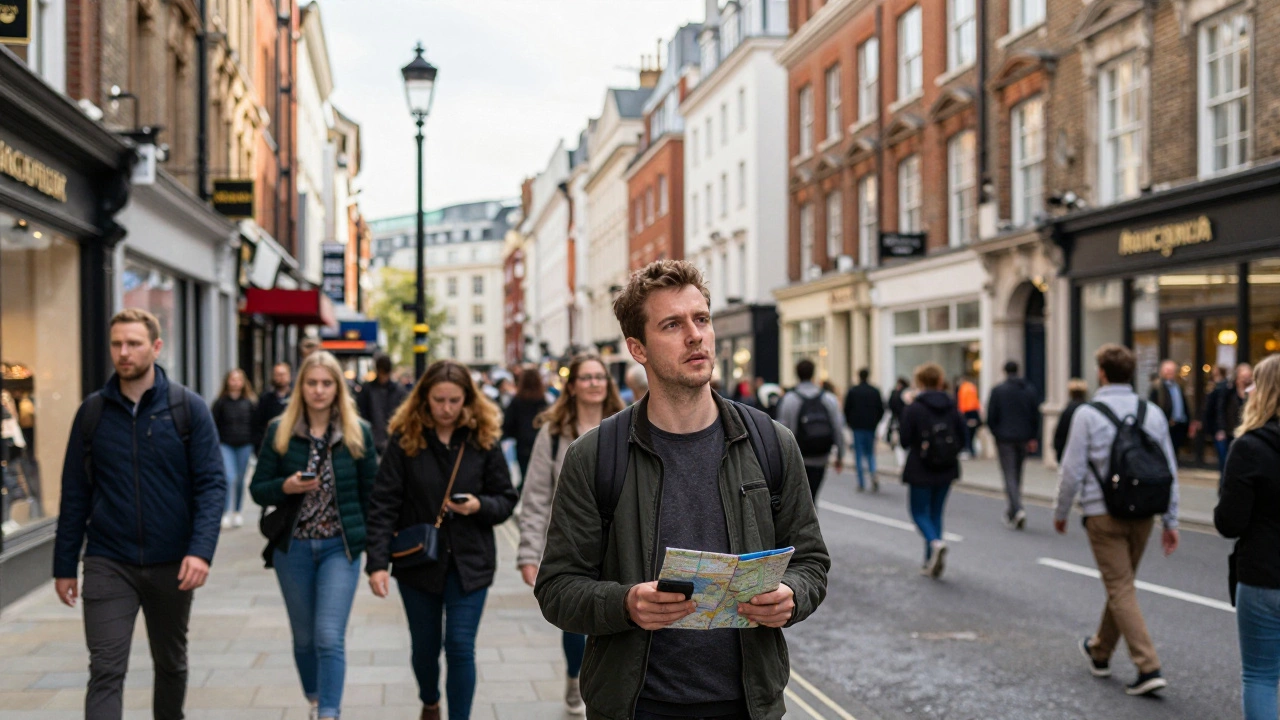
Walking down a busy street in London or Manchester, you might feel a sudden spike of anxiety. Is your bag safe? Are you being watched? For many travelers, the fear of crime is the biggest hurdle to enjoying a trip to the United Kingdom. But here is the truth: the UK is generally very safe, especially compared to many other global destinations. The key isn't paranoia; it's awareness.
If you are planning a trip to the UK in 2026, knowing what the actual risks are helps you stay relaxed and enjoy your visit. The most common crime you will encounter isn't violent assault or kidnapping. It is something much more mundane, yet frustrating: shoplifting. Yes, stealing from stores is the number one crime in the country. But as a tourist, your primary concern should be theft against individuals, which includes pickpocketing and bicycle theft. Understanding this distinction changes how you pack, how you walk, and how you spend your evenings.
The Real Numbers: What Does "Most Common" Mean?
To understand safety, we have to look at the data without the sensationalism. According to the Office for National Statistics (ONS), which publishes annual crime surveys, the volume of crime in the UK has actually been falling for decades. In recent years, the total recorded crimes dropped significantly due to better policing strategies and demographic shifts.
When we break it down, Shoplifting is the most frequently reported offense in the UK, accounting for a significant portion of retail crime. This makes sense because it happens constantly in high-traffic areas like Oxford Street in London or the Buchanan Galleries in Glasgow. However, shoplifting rarely involves tourists unless they are caught in the wrong place at the wrong time during a store alarm incident.
For visitors, the relevant metric is Theft from the person is crime involving direct contact with victims, such as pickpocketing or snatching bags. This category includes:
- Pickpocketing on public transport (especially the Tube and buses)
- Bag snatching in crowded markets
- Theft of unattended phones or laptops in cafes
Violent crime exists, but it is statistically low for tourists. Most violent incidents occur between acquaintances or within specific local disputes, not against strangers walking by. Your risk profile is closer to that of someone visiting New York or Paris than a high-risk conflict zone.
Where Does Crime Happen? Geographic Hotspots
Crime is not evenly distributed. It clusters around economic centers and nightlife districts. Knowing these zones allows you to adjust your behavior without avoiding entire cities.
| Region/City | Primary Risk Type | Safety Rating (Tourist Context) |
|---|---|---|
| London is the capital city with the highest absolute number of crimes due to population density | Pickpocketing, Bicycle Theft | Moderate (High vigilance needed in Zone 1) |
| Manchester is a major northern hub with vibrant nightlife and urban centers | Anti-social behavior, Shoplifting | Low-Moderate |
| Birmingham is the second-largest city in England with diverse urban districts | Theft, Vehicle Crime | Low-Moderate |
| Rural Countryside (e.g., Cotswolds, Lake District) | Vehicle Break-ins | Very Low |
In London, the risk spikes in areas like Camden Market, Covent Garden, and near major train stations like Victoria and Euston. Thieves rely on chaos. If you are surrounded by hundreds of people pushing past you, your wallet is vulnerable. In smaller towns and rural areas, the main crime is vehicle break-ins. If you rent a car, never leave anything visible inside, even an empty charger case.

Specific Threats to Watch Out For
Let’s get concrete about what can go wrong. These are the three scenarios where tourists lose money or devices most often.
1. The "Distraction" Pickpocket
This isn’t just a hand in your pocket. It’s a team effort. One person bumps into you, another asks for directions loudly, or someone spills coffee on your shirt. While you are reacting to the social awkwardness, a third person lifts your phone or wallet. This is common on the London Underground is the rapid transit system serving Greater London, known for its deep-level tunnels and high passenger volume, especially during rush hour (8-9 AM and 5-7 PM). Avoid traveling with loose cash or phones in back pockets.
2. Bicycle Theft
The UK loves cycling. Cities like Bristol and Cambridge are bike-friendly. If you rent a bike, thieves target unlocked frames. Always use a D-lock through the frame and wheel, and lock it to a solid post, not just a rack. Cheap cable locks are cut in seconds.
3. Scams at Nightlife Venues
In cities like Liverpool and Newcastle, night-time economies are huge. Be wary of overly friendly strangers inviting you to exclusive clubs or bars. Sometimes, these lead to venues with inflated drink prices or hidden fees. Stick to well-known establishments and book tickets online if possible.
How to Stay Safe: Practical Tips for Travelers
You don’t need to live in fear. You just need to be smart. Here is a checklist that works anywhere in the world, but is essential in the UK.
- Use a Money Belt or Hidden Pouch: Keep your passport, credit cards, and bulk cash in a pouch under your clothes. Only carry small amounts of cash in your outer pockets for immediate purchases.
- Phone Awareness: Never hold your phone at the edge of a sidewalk while looking at maps. Step into a shop or building to check directions. Thieves on motorcycles sometimes snatch phones from pedestrians standing too close to the curb.
- Secure Your Bag: Use cross-body bags with zippers that face your body. Backpacks should be worn on the front in crowded places like Piccadilly Circus or Times Square equivalents.
- Know the Emergency Number: Dial 999 is the emergency telephone number used in the United Kingdom for police, fire, and ambulance services for life-threatening emergencies. For non-emergencies, such as reporting a stolen phone, dial 101 is the non-emergency police contact number in the UK.
- Trust Your Gut: If a situation feels off, leave. Walk toward a lit, populated area. British people are generally polite and helpful, so asking for assistance in a shop or hotel lobby is always safe.
What to Do If You Become a Victim
If you do get robbed or pickpocketed, stay calm. Panic leads to poor decisions. Follow these steps immediately:
- Report It: Go to the nearest police station or call 101. You will receive a crime reference number. This is crucial for insurance claims and replacing passports.
- Contact Your Bank: Freeze your cards via their app immediately. Most UK banks allow instant freezing. This stops any fraudulent transactions before they happen.
- Notify Your Embassy: If your passport is stolen, contact your country’s embassy or consulate in London. They can issue an emergency travel document.
- Check Travel Insurance: Ensure your policy covers theft. Many policies require a police report to process a claim. Without that reference number, you likely won’t get reimbursed.
Remember, the police in the UK are professional and accustomed to helping tourists. They may not recover your stolen item quickly, but they will provide the documentation you need to move forward.
Conclusion: Enjoy Your Trip with Confidence
The UK is a fantastic destination with rich history, incredible food, and friendly locals. Crime exists everywhere, but it does not define the experience. By understanding that shoplifting is the most common crime overall, and theft from persons is the main risk for you, you can take simple precautions. Keep your valuables secure, stay aware in crowds, and trust your instincts. With a little preparation, you can focus on the castles, museums, and pubs that make Britain special.
Is it safe to walk alone at night in the UK?
Yes, generally speaking, it is safe to walk alone at night in major UK cities, provided you stay in well-lit, populated areas. Avoid deserted parks or poorly lit alleyways. Central areas of London, Edinburgh, and Manchester are heavily patrolled and busy late into the evening. However, always maintain situational awareness and avoid displaying expensive jewelry or electronics.
What is the safest city in the UK for tourists?
Cities like Oxford, Cambridge, York, and Bath are consistently ranked among the safest for tourists. They have lower crime rates compared to larger metropolitan hubs like London or Birmingham. Rural areas and coastal towns also tend to be very safe, with the primary risk being vehicle break-ins rather than personal theft.
Do I need travel insurance for the UK?
While the UK has a good healthcare system (NHS), travel insurance is highly recommended. It covers medical emergencies not covered by visitor allowances, trip cancellations, and importantly, theft of personal belongings. Many insurance policies require a police report to validate theft claims, so having coverage ensures you aren't out of pocket if your phone or camera is stolen.
Is pickpocketing common on the London Tube?
Pickpocketing does occur on the London Underground, particularly on crowded lines like the Central and Northern lines during peak hours. Thieves often work in teams using distractions. To protect yourself, keep your bag zipped and in front of you, avoid putting phones in back pockets, and be cautious when doors open and close, as this is a common moment for theft.
How do I report a crime in the UK as a foreigner?
You can report non-emergency crimes by calling 101 or visiting a local police station. For emergencies, dial 999. Police stations usually have multilingual support or translation services available. After reporting, ensure you get a crime reference number, which is essential for insurance claims and passport replacement processes.