Meal Prep Strategy Planner
Enter your meal prep details to receive personalized strategies for maximizing freshness, safety, and flavor based on common logistical errors.
You spend four hours on a Sunday chopping vegetables, roasting chicken, and portioning out containers. You feel productive. You feel healthy. Then, by Wednesday, your salad is slimy, your rice has turned into a brick, and you’re too tired to eat anything other than takeout. Sound familiar?
Meal prepping isn’t just about cooking in bulk; it’s about strategy. Most people fail not because they lack discipline, but because they make basic logistical errors that compromise texture, flavor, and safety. If you want your meals to taste as good on Friday as they did on Monday, you need to stop treating every ingredient the same way.
Don't Cook Everything at Once
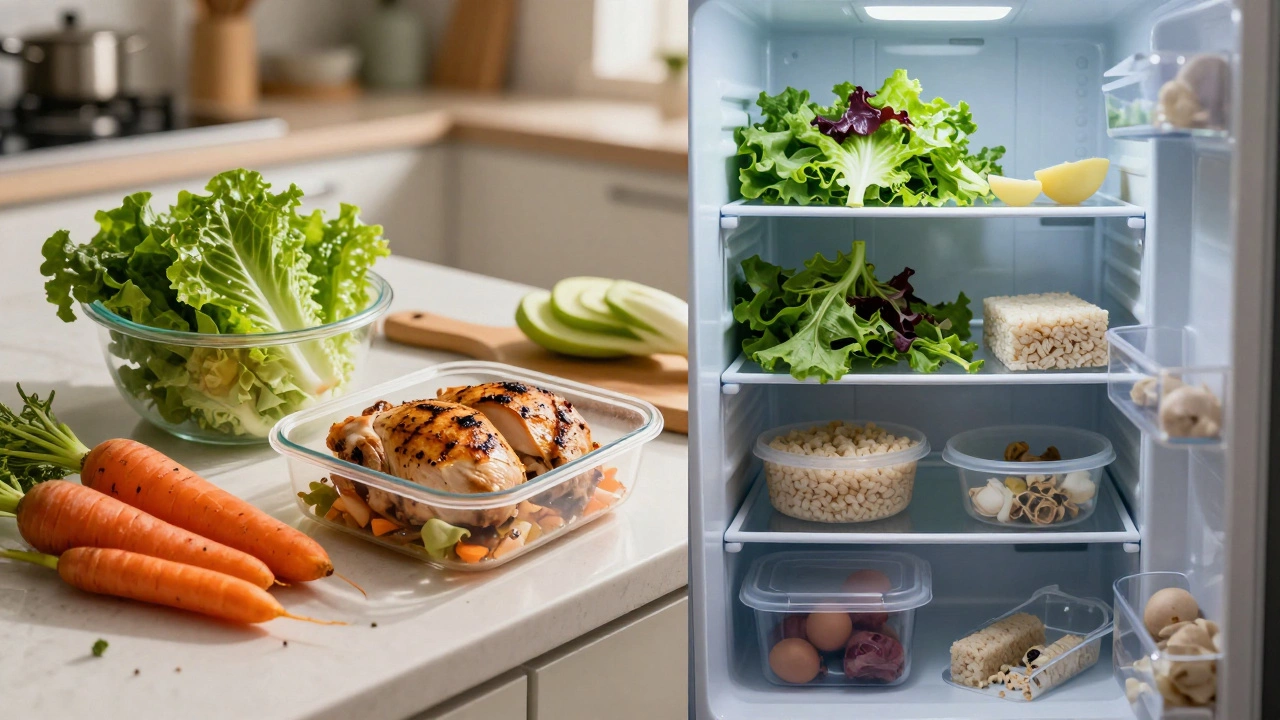
The biggest trap beginners fall into is the "cook everything on Sunday" mentality. You roast broccoli, boil eggs, steam quinoa, and grill salmon all in one session. The problem? Different foods have different shelf lives and degradation rates. Leafy greens wilt within two days when exposed to moisture from cooked grains or dressings. Raw onions lose their bite and turn sweet and mushy after three days in the fridge. By trying to prepare a week’s worth of identical meals in one go, you are guaranteeing that half of those meals will be unpalatable by midweek.
Instead, adopt a staggered prep approach. This method involves preparing components with longer shelf lives first-like hardy root vegetables, grains, and proteins-and then adding delicate items later in the week. For example, cook your chicken and hardy veggies (carrots, bell peppers) on Sunday. Prep your leafy greens and fresh herbs on Tuesday or Wednesday. This simple shift extends the freshness window of your meals significantly without doubling your total work time.
Avoid Overloading One Container Type
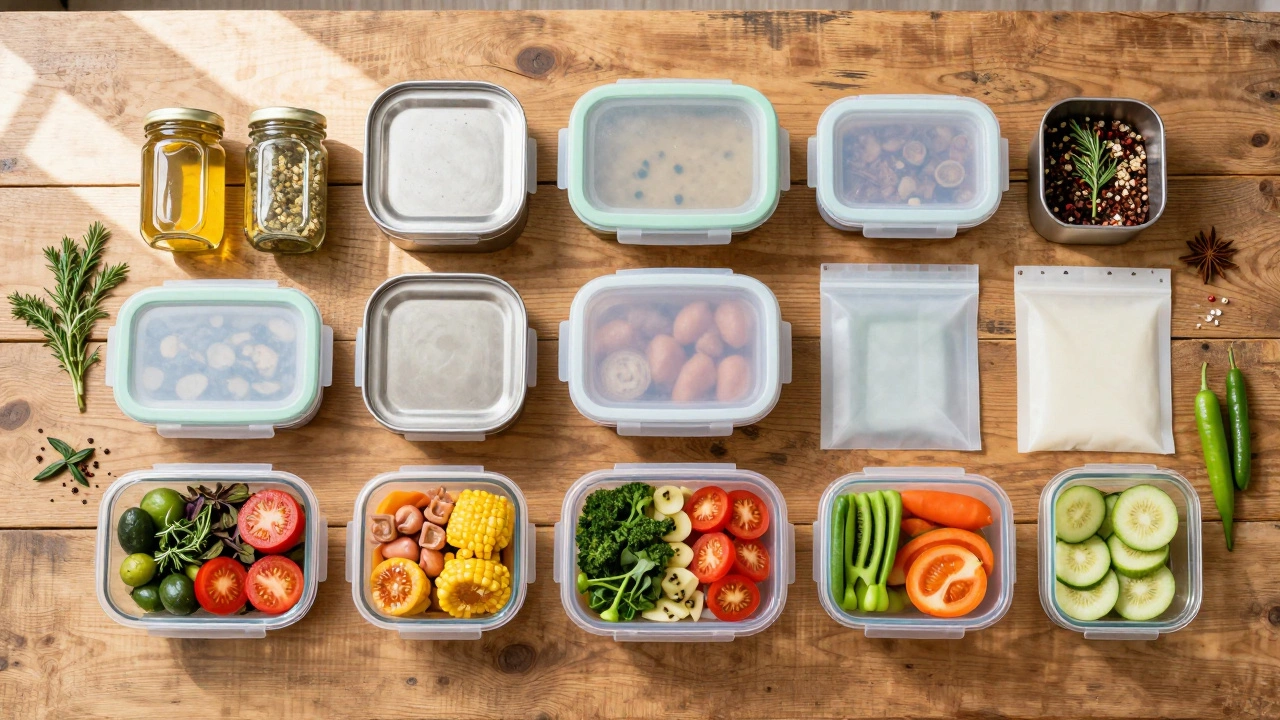
If you buy ten identical glass Tupperware containers, you might think you’ve solved your organization problems. In reality, you’ve created a bottleneck. Glass containers are heavy, breakable, and often don’t stack well if they aren’t perfectly square. More importantly, using the same container for every meal forces you to replicate the exact same menu seven times. This leads to flavor fatigue, which is the number one reason people quit meal prepping.
Diversify your storage strategy. Use modular containers that allow you to mix and match components. Keep a set of small containers for sauces and sides, medium ones for main proteins, and large ones for bases like salads or grain bowls. Consider using silicone bags for freezing portions of soups or stews, as they lay flat and save space compared to rigid tubs. The goal is flexibility, not uniformity. If your lunch looks exactly the same every day, you’re likely to skip it eventually.
| Container Type | Best For | Lifespan in Fridge | Pros/Cons |
|---|---|---|---|
| Glass Rectangular | Heating leftovers, wet dishes | 4-5 days | Durable, microwave-safe, but heavy |
| BPA-Free Plastic | Cold lunches, salads | 3-4 days | Lightweight, cheap, but can stain |
| Silicone Bags | Freezing soups, marinades | Indefinite (frozen) | Space-saving, reusable, but not for hot food |
| Stainless Steel | Cold meals, outdoor lunches | 5-7 days | Eco-friendly, durable, but not microwave-safe |
Stop Ignoring Flavor Degradation
We often assume that if food is safe to eat, it tastes fine. That’s a dangerous assumption. Herbs like cilantro and parsley oxidize quickly, turning black and bitter within 48 hours. Citrus juices can curdle dairy-based dressings over time. Spices lose their potency when heated repeatedly or stored in humid environments inside sealed containers. If you assemble a fully dressed salad on Sunday, you are essentially marinating your lettuce in acid and oil for five days. The result is soggy, sad, and inedible.
Keep wet ingredients separate from dry ones until the moment you eat. Store dressings in small jars or squeeze bottles alongside your main container. If you must pre-mix a dish, choose ingredients that improve with time, like chili, curry, or stew. These dishes benefit from resting as the flavors meld. Delicate stir-fries, however, should be reheated gently to avoid turning vegetables into mush. Understanding how ingredients interact over time is key to maintaining culinary quality.
Don't Neglect Food Safety Zones
Leaving cooked chicken on the counter to "cool down" before putting it in the fridge is a common habit that invites bacteria growth. The danger zone for bacterial proliferation is between 40°F (4°C) and 140°F (60°C). Bacteria can double in number every 20 minutes in this range. If you leave a large pot of soup out for an hour, you are creating a breeding ground for pathogens that reheating may not fully eliminate.
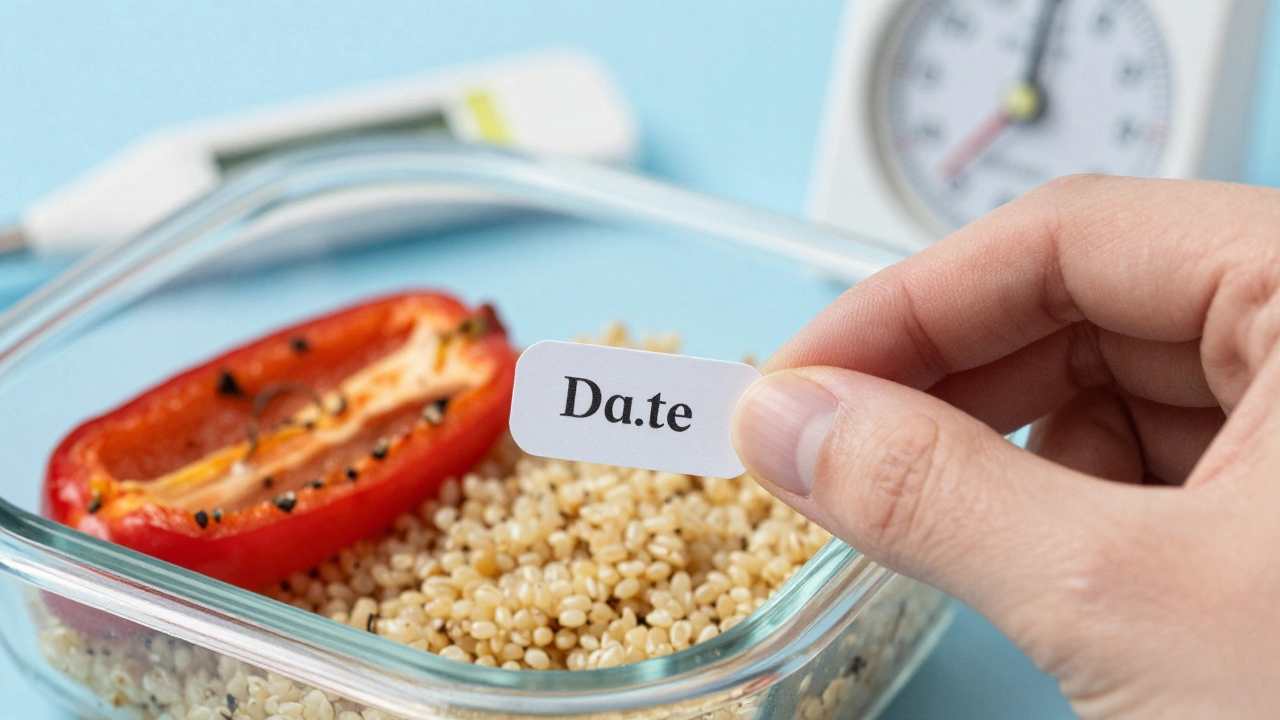
Cool food rapidly. Divide large batches into shallow containers to increase surface area, allowing heat to escape faster. Aim to get perishables into the refrigerator within two hours of cooking. Also, label your containers with dates. It’s easy to forget when you made that batch of hummus, and consuming old dips can lead to unnecessary stomach issues. A simple marker pen and date sticker system takes ten seconds but saves you from potential illness.
Avoid Complex Recipes for Beginners
There is a myth that meal prepping requires gourmet skills. People try to recreate restaurant-quality dishes like beef bourguignon or complex pasta bolognese in bulk. While delicious, these recipes often require precise timing, multiple steps, and ingredients that don’t reheat well. When you add the pressure of doing this for five days, the process becomes overwhelming and unsustainable.
Start with simple, robust recipes. Think sheet-pan dinners, grain bowls, or overnight oats. These meals are forgiving, require minimal active cooking time, and reheat consistently. As you gain confidence, you can experiment with more complex flavors. The goal of meal prepping is convenience and consistency, not culinary artistry. If a recipe takes more than 45 minutes of active prep time, it’s probably too complicated for a weekly routine.
Don't Forget Hydration and Snacks
Focusing solely on main meals leaves a gap in your daily nutrition plan. Many people prep three substantial meals but neglect snacks and hydration. This leads to reaching for vending machine options or skipping water intake because they’re busy working. Dehydration and blood sugar crashes can mimic hunger, causing you to overeat during your prepped meals.
Include snack-sized portions in your prep routine. Hard-boiled eggs, cut fruit, nuts, and yogurt cups are easy to prepare in bulk. Keep a dedicated drawer or shelf for these items so they are visible and accessible. Pair this with a reusable water bottle that you fill each morning. By addressing snacking and hydration proactively, you reduce impulse buying and maintain steady energy levels throughout the week.
Stop Buying Ingredients You Don't Have
Impulse buying exotic ingredients for a single recipe is a waste of money and space. If you decide to make Thai green curry on Sunday, don’t buy lemongrass, galangal, and kaffir lime leaves unless you know you’ll use them again within a week. Fresh herbs and aromatics spoil quickly, especially in humid climates like Durban. Ending up with wilted, unused ingredients creates guilt and clutter in your fridge.
Stick to a core list of versatile staples. Onions, garlic, carrots, spinach, chicken breast, rice, and beans form the backbone of most meals. Build your recipes around what you already have or what stays fresh for several days. This approach reduces food waste and simplifies shopping trips. Plan your meals based on seasonal produce available at your local market, rather than chasing trendy recipes that require rare ingredients.
How long does meal prepped food last in the fridge?
Most cooked meals last 3 to 4 days in the refrigerator. Foods with high moisture content, like salads and soups, tend to degrade faster. Hardier items like roasted meats and grains can last up to 5 days if stored properly in airtight containers. Always trust your senses-if it smells off or looks slimy, throw it out.
Can I freeze meal prepped lunches?
Yes, many meals freeze well. Stews, casseroles, cooked grains, and meats are excellent candidates for freezing. Avoid freezing foods with high water content like cucumbers or lettuce, as they become mushy upon thawing. Freeze in individual portions for easy reheating. Consume frozen meals within 2 to 3 months for best quality.
What is the best way to reheat meal prep without drying it out?
Add a splash of water or broth before microwaving to create steam, which helps retain moisture. Cover the container with a damp paper towel or a microwave-safe lid. Reheat in short intervals (30-60 seconds), stirring in between, to ensure even heating. For crispy textures, use an oven or air fryer instead of a microwave.
Is it cheaper to meal prep or order takeout?
Meal prepping is significantly cheaper in the long run. While initial grocery costs may seem high, you avoid the markup on prepared foods, delivery fees, and tips. Plus, you control portion sizes and nutritional content, reducing health-related costs. Over a month, saving $5-$10 per meal adds up to hundreds of dollars.
How do I prevent my meal prep from getting boring?
Vary your sauces, spices, and toppings. Keep a selection of condiments like hot sauce, pesto, salsa, and tahini on hand. Change your protein source weekly-chicken one week, fish the next, tofu the following. Rotate your vegetable choices based on seasons. Small changes keep meals interesting without requiring entirely new recipes.