Minimalist Lifestyle Assessment
Take this 5-minute assessment to discover your minimalist alignment
Answer honestly to understand how closely you align with authentic minimalist principles.
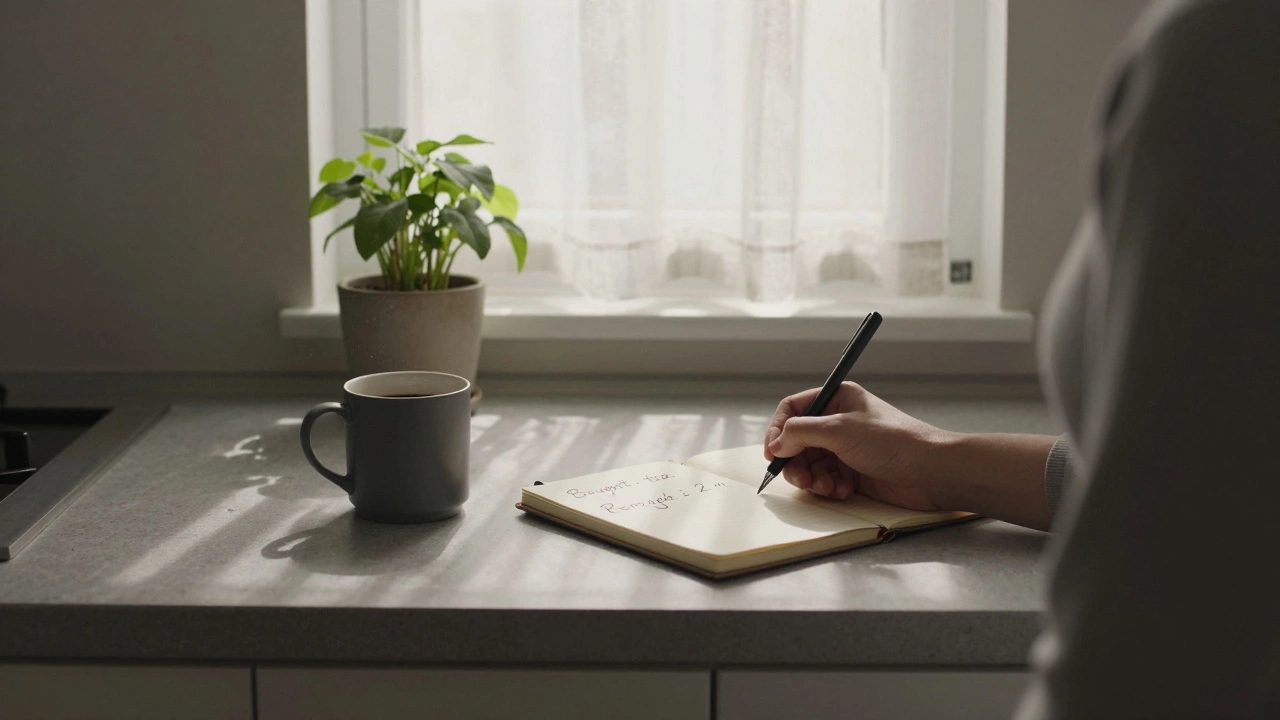
Minimalism isn’t about owning five shirts and a black turtleneck. It’s not a trend you follow for Instagram posts or a temporary detox after a shopping spree. Real minimalism is a quiet, deliberate choice - one that changes how you think, feel, and live. So who are these people? What do they actually have in common? If you’ve ever looked at someone with a bare kitchen counter, a single plant on their windowsill, or a closet with just enough clothes to wear and felt confused - you’re not alone. Let’s cut through the myths and see who really lives this way.
They’re not trying to escape life - they’re trying to feel it
Most people assume minimalists are cold, detached, or emotionally numb. That’s not true. In fact, the opposite is often the case. Minimalists often feel too much. They’ve been overwhelmed by noise - the constant ping of notifications, the pressure to keep up, the guilt of owning too much. They didn’t choose minimalism to avoid life. They chose it to stop drowning in distractions so they could finally hear themselves think, feel, and connect. One woman in Cape Town told me she cleared out 12 boxes of old gifts after her mother passed away. She didn’t throw them away out of disrespect. She kept only what reminded her of love, not obligation. That’s minimalism: choosing what matters, not what’s expected.
They value time more than things
Time is the one thing you can’t get back. Minimalists know this. They don’t track their savings accounts like some kind of scorecard. They track hours. How many hours did they spend cleaning, organizing, shopping, repairing, or worrying about stuff last week? One man in Johannesburg started keeping a daily log: "Time spent on stuff" vs. "Time spent on living." After two months, he realized he spent 17 hours a week just managing possessions - vacuuming, dusting, moving things around, replacing broken items. He sold half his furniture, donated his collection of vintage cameras, and now spends those 17 hours reading, walking, or talking with his daughter. That’s the shift. It’s not about having less. It’s about gaining more of what you can’t buy.
They’re not perfect - they’re practiced
Minimalists aren’t monks. They still buy coffee. They still get tempted by sales. They still have clutter in their garages. The difference? They notice it. They don’t pretend it doesn’t exist. They don’t call it "organized chaos." They call it "too much." And they do something about it - slowly, quietly, without fanfare. One mother in Durban keeps a small notebook in her kitchen. Every time she buys something new, she writes down what she got rid of to make room. Not because she’s obsessed with balance. Because she wants to remember: every addition is a subtraction. It’s not about never making mistakes. It’s about noticing when you slip - and choosing again.

They’re often quiet, not loud
You won’t find minimalists on TikTok preaching about "10 items you need to live." They don’t need to convince you. They’re not trying to convert anyone. They’re not posting before-and-after photos of their closets. Why? Because their life isn’t a performance. It’s a practice. Minimalism doesn’t require a manifesto. It requires consistency. The quietest homes are often the most intentional. The person who says "I don’t need much" isn’t trying to sound wise. They’re just tired of explaining why they don’t want another mug, another pair of shoes, another subscription. They’ve learned that peace doesn’t come from having everything - it comes from wanting less.
They’re not anti-consumer - they’re pro-awareness
Minimalists aren’t against shopping. They’re against mindless buying. They don’t hate brands. They hate being manipulated. They’ve read about how fast fashion uses 1.5 trillion liters of water a year. They’ve seen how electronics are designed to break. They’ve felt the hollow buzz of buying something just because it was on sale. So they shop differently. They buy one thing - and they buy it well. A jacket that lasts five years. A knife that never dulls. A book they’ll reread. They don’t buy less because they’re poor. They buy less because they’re awake.
They often struggle with guilt - and that’s normal
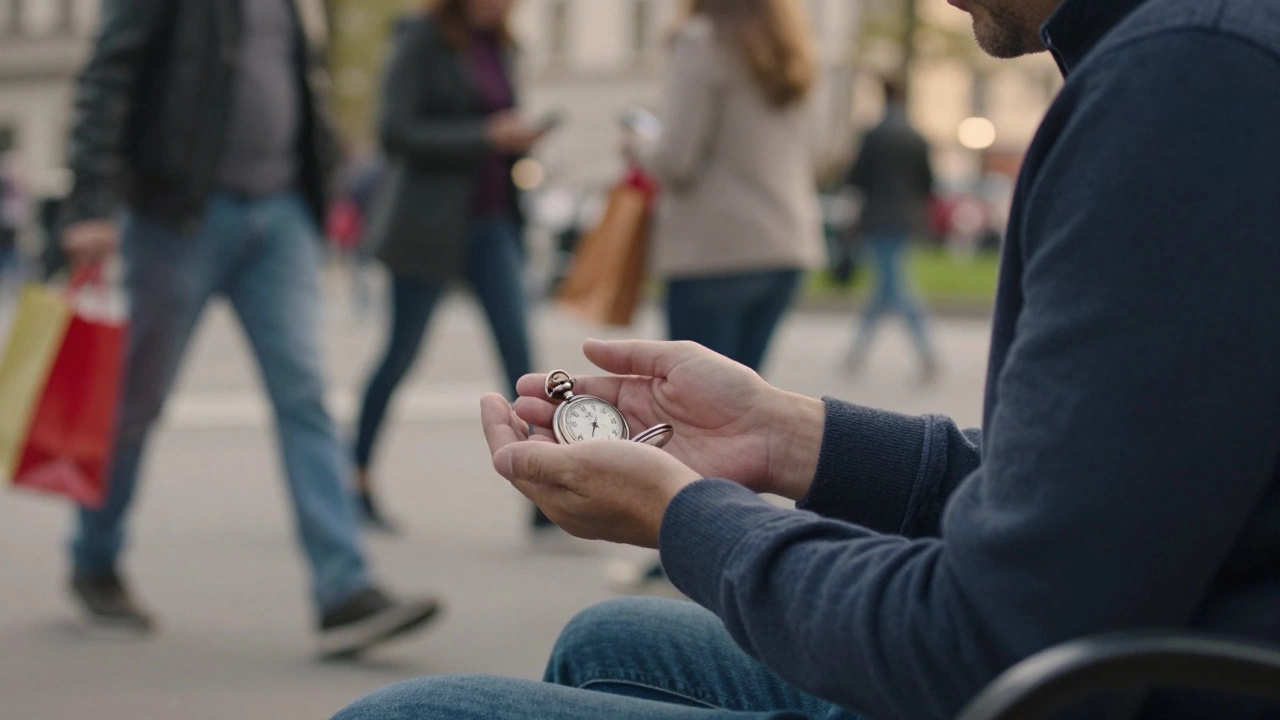
Let’s be honest: letting go of stuff can feel like betrayal. A gift from a loved one. A souvenir from a trip. A thing you bought when you were hopeful. Minimalists don’t feel guilty because they’re heartless. They feel guilty because they care. That’s why many keep one or two "emotional items" - not because they’re weak, but because they’re human. One man kept his father’s broken watch. Not because it told time. Because it reminded him of the way his dad would say, "Take your time." He doesn’t wear it. He just keeps it on his desk. That’s minimalism: not removing emotion, but making space for what truly holds meaning.
They’re not all young, rich, or white
The image of minimalism as a luxury lifestyle for urban millennials is wrong. In South Africa, many people have lived minimally for generations - not by choice, but by necessity. A grandmother in KwaZulu-Natal who repairs her clothes with thread and needle. A street vendor in Pretoria who carries everything she owns in two baskets. Their lives aren’t a trend. They’re a truth. Minimalism isn’t about having the freedom to choose less. Sometimes, it’s about choosing less because you have no other option. And sometimes, that choice becomes wisdom.
They’re not trying to be different - they’re trying to be real
Minimalists don’t wake up and decide to be "different." They wake up and realize they’ve been pretending. Pretending they’re happy with clutter. Pretending they’re fulfilled by more stuff. Pretending they have time to spare. Minimalism is the quiet rebellion of saying: "I don’t need to prove anything. Not to you. Not to myself." It’s not about the number of items you own. It’s about whether you feel light - in your home, in your mind, in your heart.
If you’re wondering if you’re a minimalist, ask yourself: Do you feel heavier after buying something? Do you feel lighter after letting go? Do you find yourself staring at your things, wondering why you own them? If yes - you’re already on the path. You don’t need to purge everything tomorrow. You just need to start noticing.
Are minimalists always poor?
No. Minimalists come from all income levels. Some live simply because they can’t afford more. Others live simply because they choose to. The difference isn’t money - it’s awareness. A wealthy minimalist might own a $500 coat, but they’ll own only one. A low-income minimalist might repair shoes instead of buying new ones. Both are focused on value, not volume.
Can you be a minimalist and still have kids?
Absolutely. In fact, many minimalists with children say it’s easier to live simply when raising kids. They focus on experiences - trips, books, time together - instead of toys. They rotate toys instead of buying new ones. They teach kids to care for what they have. One parent in Cape Town says their 7-year-old now asks, "Do we really need this?" before any purchase. That’s not deprivation. That’s wisdom.
Do minimalists hate technology?
Not at all. Minimalists use technology - but intentionally. They delete apps that steal time. They turn off notifications. They choose one device over five. They don’t reject tech. They reject distraction. A minimalist might own a smartphone, but they’ll use it for calls, maps, and music - not endless scrolling. It’s not about what you own. It’s about what you allow into your attention.
Is minimalism just about cleaning your house?
No. Decluttering is the first step - but only the first. Minimalism is about removing clutter from your mind, your schedule, your relationships, and your commitments too. It’s saying no to meetings that drain you. It’s ending conversations that don’t matter. It’s stopping the habit of saying "yes" just to please others. The physical space is just a mirror of the inner space.
Do minimalists ever regret letting go of things?
Sometimes. But not for the reasons you think. Most regrets aren’t about losing an object - they’re about realizing they held onto something out of fear, guilt, or habit. One woman kept 20 unread books she thought she "should" read. When she finally donated them, she felt lighter. Not because she didn’t love books - but because she stopped pretending she had time for them all. Regret, in minimalism, often leads to clarity.