Sustainable Shopper Profile Quiz
Discover which demographic group you align with most closely. This tool analyzes factors like budget flexibility, motivation, and channel preference to reveal your "Eco-Shopper Archetype."
Your Archetype
Key Characteristics
Recommended Strategy
Fit Score for Sustainable Market
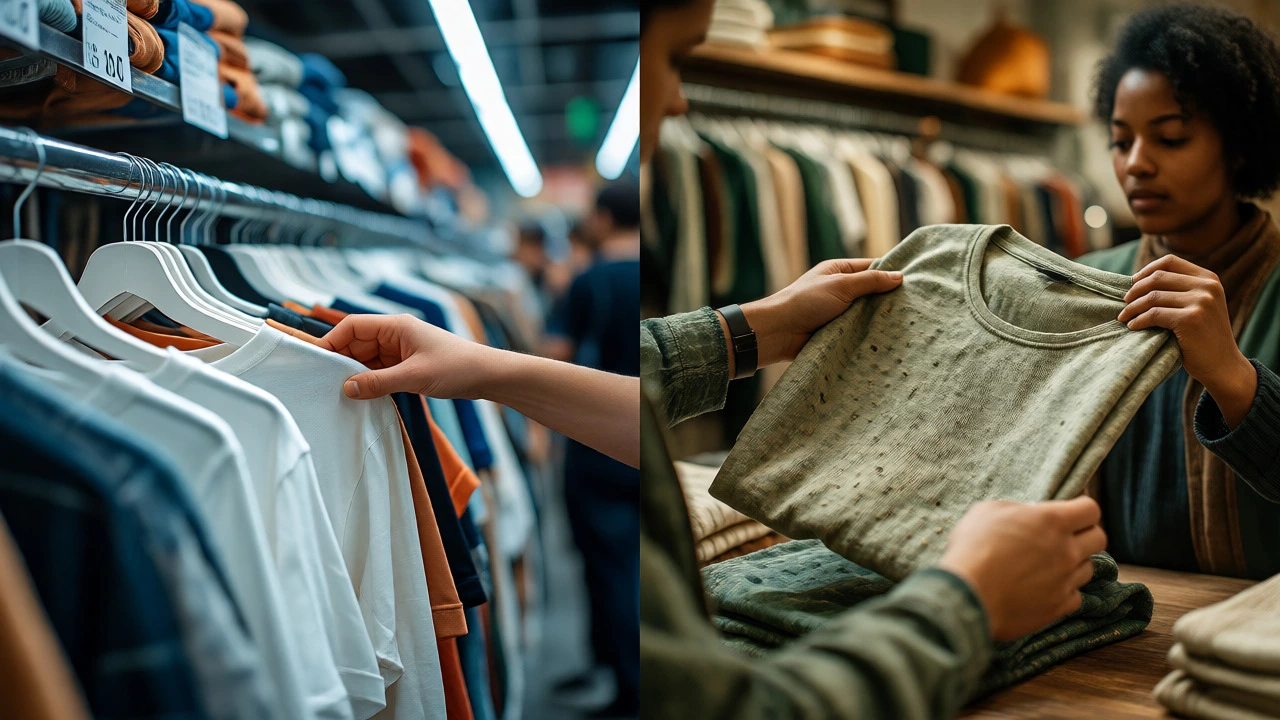
You walk into a store, see a t-shirt made from recycled ocean plastic for $40, and think, "Nice." Then you look at the same shirt from a fast-fashion brand for $8. You buy the cheap one. Most of us do. So why does anyone actually pay the premium for sustainable clothing that costs five times more?
It’s not just about saving the planet, though that’s part of it. It’s about identity, budget flexibility, and how much guilt you can stomach before checkout. If you’re trying to figure out who is actually keeping these eco-friendly brands in business, the answer isn’t as simple as "rich people" or "young activists." The data tells a messier, more human story.
The Myth of the Perfect Eco-Shopper
We love to imagine the sustainable shopper as someone who buys nothing new, wears hemp linen exclusively, and composts their coffee grounds. In reality, most people buying green fashion are regular folks with conflicting desires. They want to look good, save money, and feel okay about their choices. The gap between intention and action is huge. Surveys consistently show that while over 60% of consumers say they care about sustainability, only a fraction follow through when prices hit the register.
So, who bridges that gap? It’s rarely the person with zero disposable income. It’s also rarely the ultra-wealthy who don’t care about price tags at all. The sweet spot lies somewhere in the middle, among people who have enough cash to make a choice but still feel the pinch.
Age Matters: Gen Z vs. Millennials
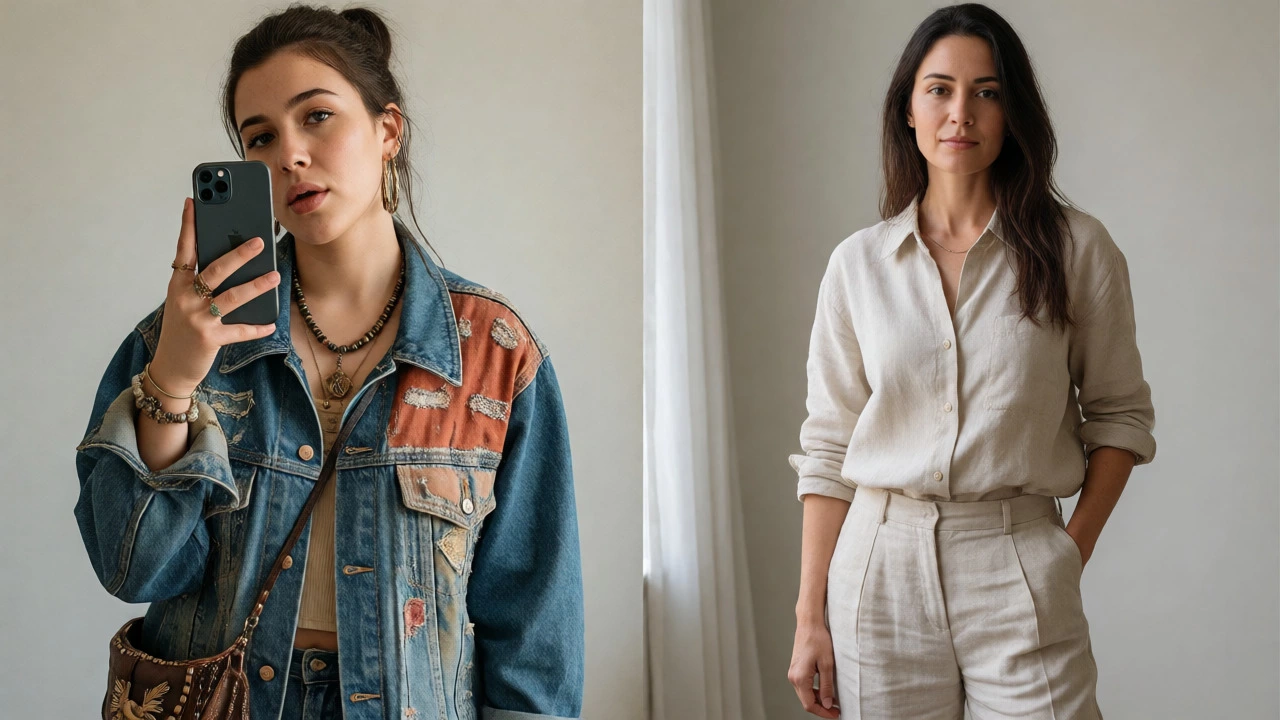
You’ve probably heard that Gen Z is driving the change in fashion. And they are, but not always by buying the most expensive items. Gen Z shoppers, born roughly between 1997 and 2012, are heavily influenced by social media. They see influencers wearing thrifted outfits or supporting small ethical brands on TikTok and Instagram. For them, sustainability is often tied to uniqueness. Wearing a mass-produced Zara dress feels basic; wearing a vintage Levi’s jacket feels like a statement.
Millennials, however, are the ones with the actual purchasing power. Born between 1981 and 1996, many are now established in their careers and starting families. They are more likely to buy high-quality, durable items because they value longevity. A millennial might spend $150 on a pair of organic cotton jeans that last five years rather than buying three pairs of $30 jeans that fall apart in six months. This "buy less, buy better" mindset is a key driver for premium sustainable brands.
| Generation | Primary Motivation | Preferred Channel | Price Sensitivity |
|---|---|---|---|
| Gen Z (1997-2012) | Trendiness & Uniqueness | Social Media / Thrift Apps | High |
| Millennials (1981-1996) | Durability & Values Alignment | E-commerce / Direct-to-Consumer | Moderate |
| Gen X (1965-1980) | Quality & Comfort | In-Store / Established Brands | Low-Moderate |
| Baby Boomers (1946-1964) | Brand Loyalty & Familiarity | In-Store / Catalog | Low |
Income Levels: The Disposable Income Factor
Let’s be real: sustainable fashion is expensive. Organic cotton costs more to grow. Fair wages cost more to pay. Small batch production lacks economies of scale. Who can afford this? Typically, households earning above the median income. In the US, for example, households making over $75,000 annually are significantly more likely to purchase certified organic or fair-trade apparel.
But here’s the twist: it’s not just about having money; it’s about having *disposable* money. A single professional earning $80,000 with no dependents has more freedom to experiment with niche brands than a family of four earning $100,000 with mortgage and childcare costs. The latter group might prioritize practicality and durability over ethical certifications, sticking to mainstream brands that offer some eco-lines without the premium markup.
Education and Awareness
There is a strong correlation between higher education levels and sustainable purchasing behavior. People with bachelor’s degrees or higher are more likely to research where their clothes come from. Why? Education often exposes individuals to broader global issues, environmental science, and labor rights. It fosters a critical thinking habit that makes marketing fluff harder to swallow.
This doesn’t mean uneducated people don’t care. Many working-class communities practice sustainability out of necessity-repairing clothes, buying second-hand, and avoiding waste. But they may not label it as "sustainable fashion" or seek out specific certifications like GOTS (Global Organic Textile Standard). Their motivation is economic survival and practicality, which often yields a lower carbon footprint than the affluent consumer who buys a $200 "eco-friendly" hoodie but flies to Bali twice a year.
Geographic Differences: Urban vs. Rural
Location plays a massive role. Urban dwellers, especially those in cities like New York, London, Berlin, or Durban, have easier access to sustainable options. Thrift stores, vintage markets, and specialty eco-boutiques cluster in cities. Plus, urban culture often pressures individuals to signal status through consumption. Wearing a recognizable ethical brand becomes a form of social currency.
Rural consumers face different challenges. Access to specialized retailers is limited. Shipping costs for online orders can add up. However, rural populations often have a stronger connection to local production and self-sufficiency. They might prefer locally sourced materials simply because they know the farmer or weaver, bypassing the complex global supply chain entirely.
Psychological Triggers: Guilt and Identity
At its core, buying sustainable clothing is an emotional transaction. It alleviates cognitive dissonance-the discomfort felt when your actions (buying cheap clothes) conflict with your beliefs (caring about the environment).
- Guilt Reduction: Paying extra for a fair-trade shirt acts as a moral license. It allows the buyer to continue shopping without feeling like a villain.
- Identity Signaling: What you wear says something about you. For many, choosing sustainable brands signals intelligence, awareness, and modern values.
- Health Concerns: Some buyers, particularly parents of young children, choose natural fibers to avoid synthetic chemicals and microplastics touching their skin.
Notice that none of these triggers are purely altruistic. Even the most committed eco-shopper benefits personally from their purchase, whether through better quality, social approval, or peace of mind.
The Rise of the Resale Market
If you think sustainable clothing means only buying new items from ethical brands, you’re missing half the picture. The fastest-growing segment of the sustainable market isn’t new production-it’s resale. Platforms like ThredUp, Depop, and Vinted have democratized sustainable fashion.
Who uses these apps? Everyone. Students use them to find trendy pieces on a budget. Parents use them to buy kids’ clothes that won’t be worn for long. Fashion enthusiasts use them to find discontinued designer items. Buying second-hand is arguably more sustainable than buying new, even if the new item is organic. It extends the life of existing resources and requires zero new water or energy for production.
What This Means for Brands and Buyers
If you’re running a sustainable brand, stop targeting "everyone." Target the educated, urban, mid-to-high-income Millennial or Gen Z individual who values transparency and storytelling. Show them the factory floor. Tell them who sewed the shirt. Prove that the fabric lasts.
If you’re a buyer trying to decide if sustainable fashion is for you, start small. Don’t try to replace your entire wardrobe overnight. Buy one high-quality piece instead of ten cheap ones. Look for natural fibers. Check out the resale market first. The goal isn’t perfection; it’s progress.
Is sustainable clothing only for wealthy people?
Not necessarily. While new sustainable items often carry a premium price tag due to higher production costs, the secondary market (resale/thrift) offers affordable entry points. Additionally, buying fewer, higher-quality items can save money over time compared to constantly replacing cheap fast-fashion items.
Which generation buys the most sustainable fashion?
Gen Z drives the conversation and trend adoption, particularly in thrifting and vintage. However, Millennials currently hold the highest purchasing power for premium sustainable brands, focusing on durability and ethical certifications.
Does education level really affect buying habits?
Yes, studies suggest a correlation between higher education levels and increased awareness of supply chain issues. Educated consumers are more likely to research brands and seek out certifications like Fair Trade or GOTS before purchasing.
Why do people buy sustainable clothes if they are more expensive?
Motivations include reducing personal guilt, signaling social values, expecting longer product lifespans, and health concerns regarding synthetic materials. The perceived value often outweighs the immediate financial cost for these buyers.
Is buying second-hand considered sustainable fashion?
Absolutely. In fact, it is often considered the most sustainable option because it utilizes existing resources, reduces waste, and avoids the environmental impact of new manufacturing processes.