
5 Keys to Longevity Calculator
Based on the five pillars of longevity science—movement, nutrition, sleep, social connection, and purpose—this tool helps you assess your current habits and provides personalized recommendations to extend your healthspan.
Your Longevity Assessment
Overall Score: /100
Category:
Personalized Recommendations
Breakdown by Pillar
| Pillar | Score | Status |
|---|
Key Takeaway
You don’t need a magic pill or a secret family recipe to live past 90. In fact, the biggest mistake people make is thinking longevity is just about genetics. It’s not. While your DNA loads the gun, your lifestyle pulls the trigger. If you want to add years to your life-and more importantly, life to your years-you have to look at the five non-negotiable pillars that science consistently backs up.
We often hear about "supercentenarians" in places like Okinawa or Sardinia. We romanticize their diets or their isolation. But when you strip away the geography, the common threads are remarkably practical. They aren't complex medical procedures; they are daily habits. Let's break down the five keys that actually move the needle on your biological age.
1. Move Your Body Like You Mean It
Physical Activity is the single most effective intervention for extending both lifespan and healthspan. It doesn't mean you need to train for a marathon. In fact, high-intensity endurance sports can sometimes increase oxidative stress if not managed correctly. What matters is consistency and variety.Your muscles are your metabolic organs. As we age, we lose muscle mass-a process called sarcopenia-which leads to frailty and falls. To fight this, you need resistance training. Lift weights, use resistance bands, or do bodyweight exercises twice a week. This builds the structural integrity needed to stay independent in old age.
But strength isn't everything. Cardiovascular health keeps your heart efficient and your blood vessels flexible. Aim for 150 minutes of moderate aerobic activity per week. That could be brisk walking, swimming, or cycling. Think of it as maintenance for your engine. If you sit for eight hours at work, you must actively undo that damage. Stand up, stretch, walk around. Sedentary behavior is an independent risk factor for mortality, separate from exercise.
- Strength Training: 2-3 sessions per week focusing on major muscle groups.
- Aerobic Exercise: 150 minutes of moderate intensity weekly (e.g., brisk walking).
- Balance & Flexibility: Yoga or Tai Chi to prevent falls and maintain mobility.
2. Eat for Cellular Repair, Not Just Calories
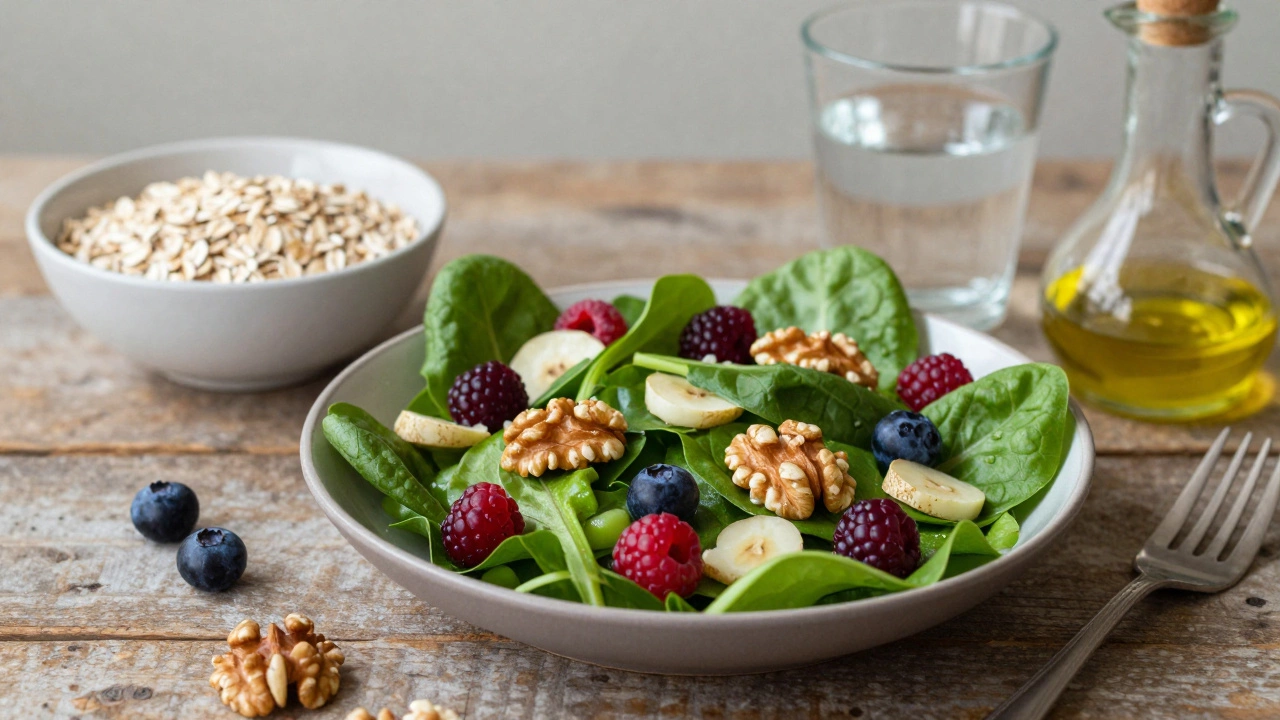
The way you eat determines how your cells repair themselves. It’s not about counting calories obsessively; it’s about nutrient density. The best diets for longevity-like the Mediterranean diet-are rich in plants, healthy fats, and lean proteins.
Caloric Restriction is a dietary practice involving reduced calorie intake without malnutrition, linked to extended lifespan in many species. While you don't need to starve yourself, eating until you are 80% full (a concept known as Hara Hachi Bu in Japan) prevents metabolic overload.Focus on reducing inflammation. Chronic low-grade inflammation, or "inflammaging," is a primary driver of age-related diseases like arthritis, heart disease, and dementia. Cut back on processed sugars and refined carbohydrates. Instead, load up on antioxidants found in berries, leafy greens, and nuts. Omega-3 fatty acids from fish or flaxseeds help reduce systemic inflammation.
Hydration is also key. As we age, our thirst mechanism dulls. Dehydration affects cognitive function and kidney health. Drink water throughout the day, and limit alcohol. Alcohol is a toxin that disrupts sleep and increases cancer risk. Moderation is the goal, but less is generally better for longevity.
| Nutrient Group | Key Benefits | Best Sources |
|---|---|---|
| Omega-3 Fatty Acids | Reduces inflammation, supports brain health | Fatty fish (salmon, mackerel), walnuts, chia seeds |
| Antioxidants | Combats oxidative stress, protects cells | Berries, dark chocolate, green tea, spinach |
| Fiber | Supports gut microbiome, regulates blood sugar | Oats, legumes, vegetables, whole grains |
| Polyphenols | Activates longevity pathways (Sirtuins) | Extra virgin olive oil, red wine (in moderation), grapes |
3. Prioritize Sleep as Non-Negotiable Maintenance
If you think you can cheat sleep and still be healthy, you’re wrong. Sleep is when your brain cleans itself. During deep sleep, the glymphatic system flushes out toxins like beta-amyloid, which is associated with Alzheimer’s disease.
Chronic sleep deprivation raises cortisol levels, spikes blood pressure, and impairs immune function. It’s a fast track to chronic disease. Aim for 7-9 hours of quality sleep per night. Quality matters more than quantity. Fragmented sleep doesn’t give your body the restorative cycles it needs.
Create a sleep sanctuary. Keep your room cool, dark, and quiet. Avoid screens at least an hour before bed because blue light suppresses melatonin production. Establish a consistent bedtime routine. Your body loves predictability. When you go to bed and wake up at the same time every day, you regulate your circadian rhythm, which influences hormone release and metabolism.
4. Cultivate Strong Social Connections
This might surprise you, but loneliness is as deadly as smoking 15 cigarettes a day. Human beings are social creatures. Our survival historically depended on the tribe. Isolation triggers stress responses that wear down your cardiovascular system over time.
Social Integration is the degree to which an individual has regular contact and meaningful relationships with others. Studies show that people with strong social ties have a 50% increased likelihood of survival compared to those with weak connections.It’s not just about having hundreds of friends on social media. It’s about depth. Do you have someone you can call in an emergency? Do you have a community where you feel valued? Join clubs, volunteer, or simply schedule regular coffee dates with friends. Nurture these relationships. Conflict resolution skills become even more important as you age because maintaining harmony reduces stress.
Work-life balance plays a huge role here. If you are overworked and stressed, you neglect your relationships. Burnout isolates you. Make time for your loved ones. Put the phone down. Listen actively. These micro-interactions build a buffer against the stresses of life.
5. Find Purpose and Manage Stress
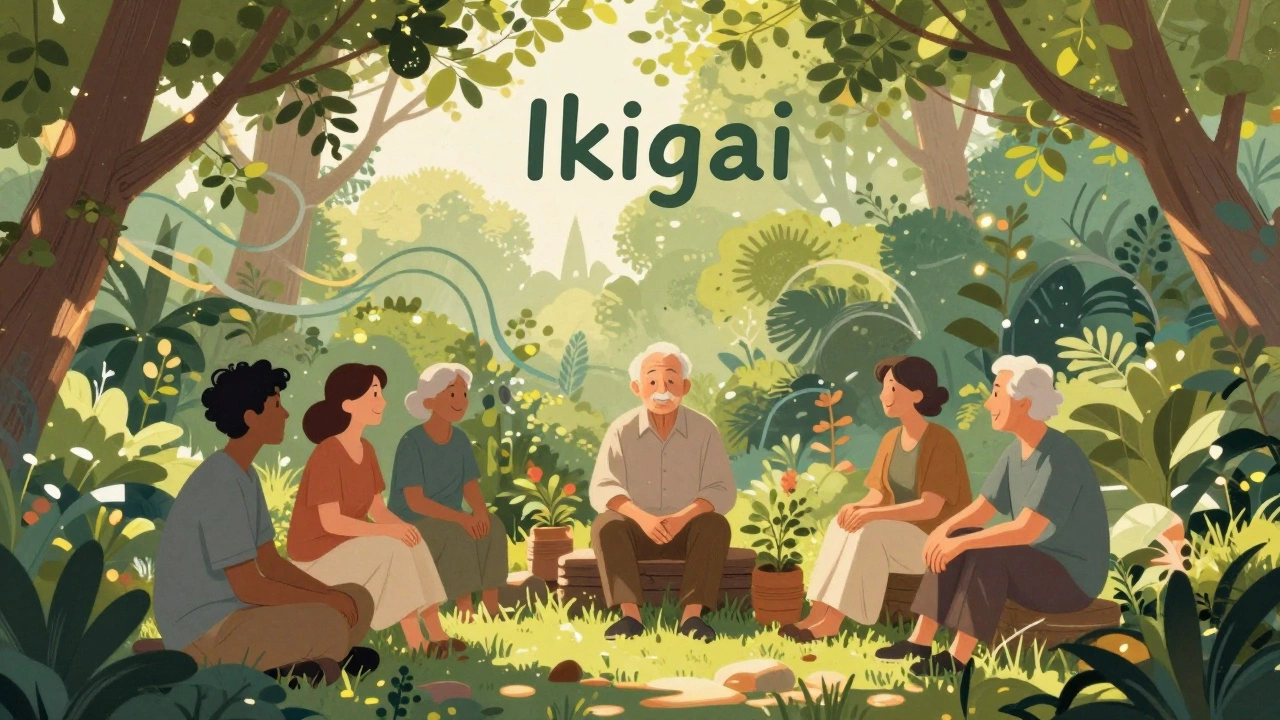
The Japanese have a word for it: Ikigai, or reason for being. Having a sense of purpose is strongly linked to longevity. People who know why they get up in the morning tend to live longer and healthier lives. Purpose gives you resilience during tough times.
Stress is inevitable, but chronic stress is toxic. It keeps your body in "fight or flight" mode, releasing cortisol and adrenaline constantly. This damages your heart, shrinks your hippocampus (memory center), and weakens your immune system. You need tools to manage stress.
Mindfulness practices like meditation, deep breathing, or spending time in nature can lower cortisol levels. Find activities that put you in a state of flow-where you lose track of time because you are so engaged. Whether it’s gardening, painting, coding, or playing music, find what lights you up. Pursue lifelong learning. Keeping your brain active creates cognitive reserve, protecting you against decline.
Remember, longevity isn't just about adding years to your life; it's about adding life to your years. It’s about waking up at 80 and still feeling vibrant, curious, and connected. Start small. Pick one of these five keys and improve it today.
Is genetics really that important for longevity?
Genetics account for only about 20-30% of your lifespan. The remaining 70-80% is determined by lifestyle factors like diet, exercise, sleep, and social connections. While you can't change your DNA, you can influence how your genes are expressed through epigenetics by adopting healthy habits.
What is the difference between lifespan and healthspan?
Lifespan is the total number of years you live. Healthspan is the number of years you live in good health, free from chronic disease and disability. The goal of modern longevity science is to extend healthspan so that the period of illness at the end of life is minimized.
Can I start these habits later in life?
Absolutely. It is never too late to benefit from healthy habits. Studies show that even starting exercise or dietary changes in your 60s or 70s can significantly reduce the risk of chronic disease and improve quality of life. Consistency is more important than perfection.
How does work-life balance affect longevity?
Poor work-life balance leads to chronic stress, burnout, and neglect of physical health and social relationships. High stress levels increase inflammation and cardiovascular risk. Achieving balance allows you to prioritize sleep, exercise, and connection, all of which are critical for living longer.
Are supplements necessary for longevity?
Supplements should not replace a healthy diet. Whole foods provide a complex matrix of nutrients that work synergistically. However, if you have specific deficiencies (like Vitamin D or B12), supplementation may be beneficial. Always consult with a healthcare provider before starting any new supplement regimen.