Mature Skin Moisturizer Analyzer
Select the ingredients found in your current or potential moisturizer to see how well it supports mature, thinning skin.
Awaiting Input...
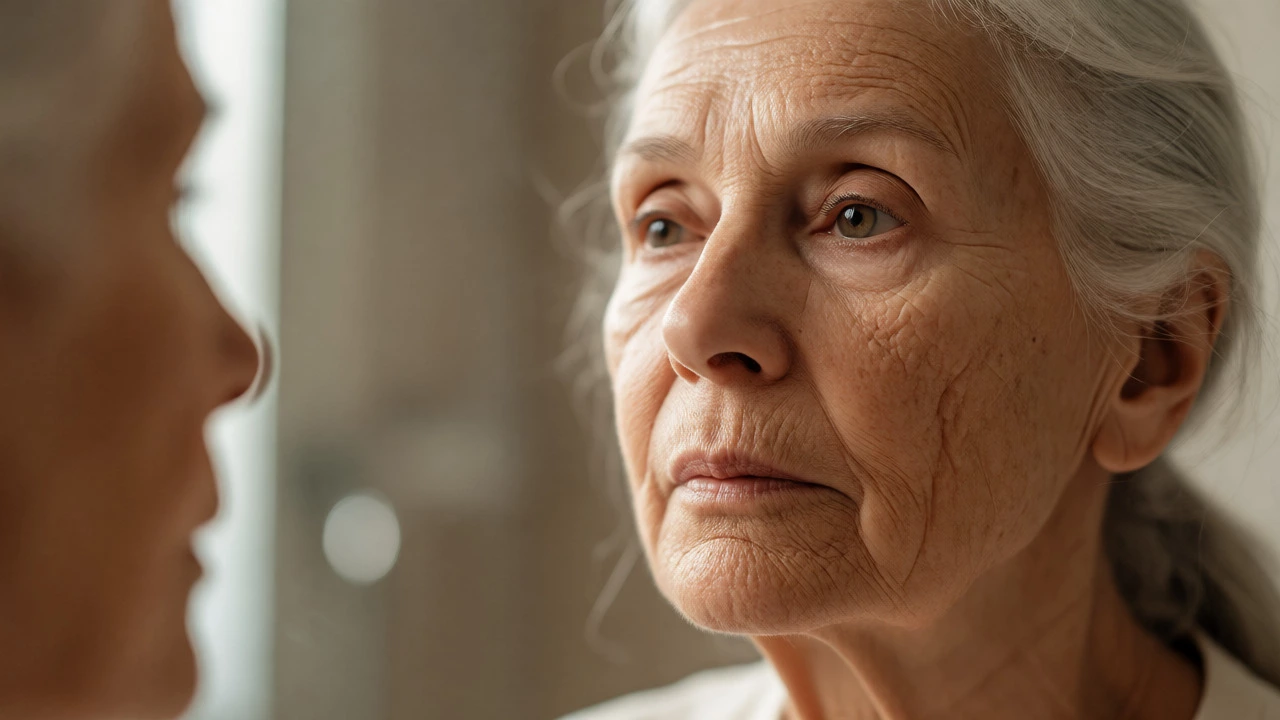
You notice it first in the mirror. The fine lines aren't just lines anymore; they're creases that hold foundation like a map of your life. Your cheeks feel tight after washing, and that cheap lotion from the drugstore? It sits on top like oil on water, doing absolutely nothing. If you are over 60, your skin isn't just "dry"-it has fundamentally changed structurally. Finding the best face moisturizer isn't about marketing hype or fancy packaging; it's about understanding what your aging barrier actually needs to survive.
Here is the hard truth: most moisturizers sold as "anti-aging" are designed for prevention, not restoration. They target wrinkles before they form. But mature skin needs repair, lipid replenishment, and serious hydration support. I've spent years testing products on my own changing skin and helping friends navigate this exact confusion. Let's cut through the noise and look at what actually works for elderly skin.
Why Aging Skin Demands Different Hydration
Your skin in your 20s was a sponge. It held water easily because your cells were churning out collagen and natural oils (sebum) at full speed. By the time you hit your 60s and 70s, two things happen simultaneously: sebum production drops significantly, and your cell turnover slows down. This means your skin barrier-the outermost layer that keeps moisture in and irritants out-becomes thinner and more fragile.
This isn't just cosmetic. When the barrier breaks, you get transepidermal water loss (TEWL). Basically, your skin leaks water into the air. You might apply a hydrating serum, but without the right occlusive ingredients to seal it in, that water evaporates within minutes. For elderly skin, a good moisturizer must do three jobs: attract water (humectants), smooth the surface (emollients), and seal the barrier (occlusives). Most lightweight lotions fail at the third step.
The Non-Negotiable Ingredients List
Forget the buzzwords like "glow" or "radiance." Look at the back of the bottle. If you don't see these specific ingredients, put it back on the shelf. These are the heavy lifters for mature, thinning skin.
- Ceramides: Think of these as the mortar between your skin cells. Without them, your wall crumbles. Look for "CeraVe" or brands that explicitly list Ceramide NP, AP, or EOP.
- Hyaluronic Acid: A humectant that pulls moisture from the environment into your skin. However, in dry climates (like Durban in winter), it needs an occlusive layered on top, or it can actually pull water *out* of deeper skin layers.
- Peptides: Short chains of amino acids that signal your skin to produce more collagen. While they won't reverse deep sagging, they improve firmness and texture over time.
- Niacinamide (Vitamin B3): It strengthens the barrier, reduces redness, and helps with uneven tone. It’s gentle enough for sensitive, aged skin.
- Squalane: A plant-derived oil that mimics human sebum. It’s non-comedogenic (won’t clog pores) but provides the slip and comfort older skin desperately misses.
Top Picks for Different Needs
There is no single "magic bullet" because everyone's skin reacts differently. However, based on formulation quality, price-to-performance ratio, and real-world results, here are the standouts for 2026.
| Product Type | Key Ingredient | Best For | Texture |
|---|---|---|---|
| Drugstore Classic | Ceramides + Hyaluronic Acid | Daily maintenance, budget-conscious | Creamy, non-greasy |
| Premium Repair | Peptides + Antioxidants | Visible wrinkle reduction, dullness | Rich, luxurious |
| Barrier Rescue | Oat Lipids + Colloidal Oatmeal | Eczema-prone, extremely sensitive skin | Thick balm-like |
| Night Recovery | Retinol Alternative (Bakuchiol) | Texture refinement, overnight repair | Oil-infused cream |
If you want a reliable workhorse, look for products containing the triple-ceramide complex. Brands like CeraVe or La Roche-Posay have mastered this balance. They aren't sexy, but they restore the barrier effectively without irritation. For those willing to invest more, look for peptide-rich creams from brands like Olay Regenerist or specialized dermatological lines. The key is consistency, not brand prestige.
How to Apply Moisturizer Correctly
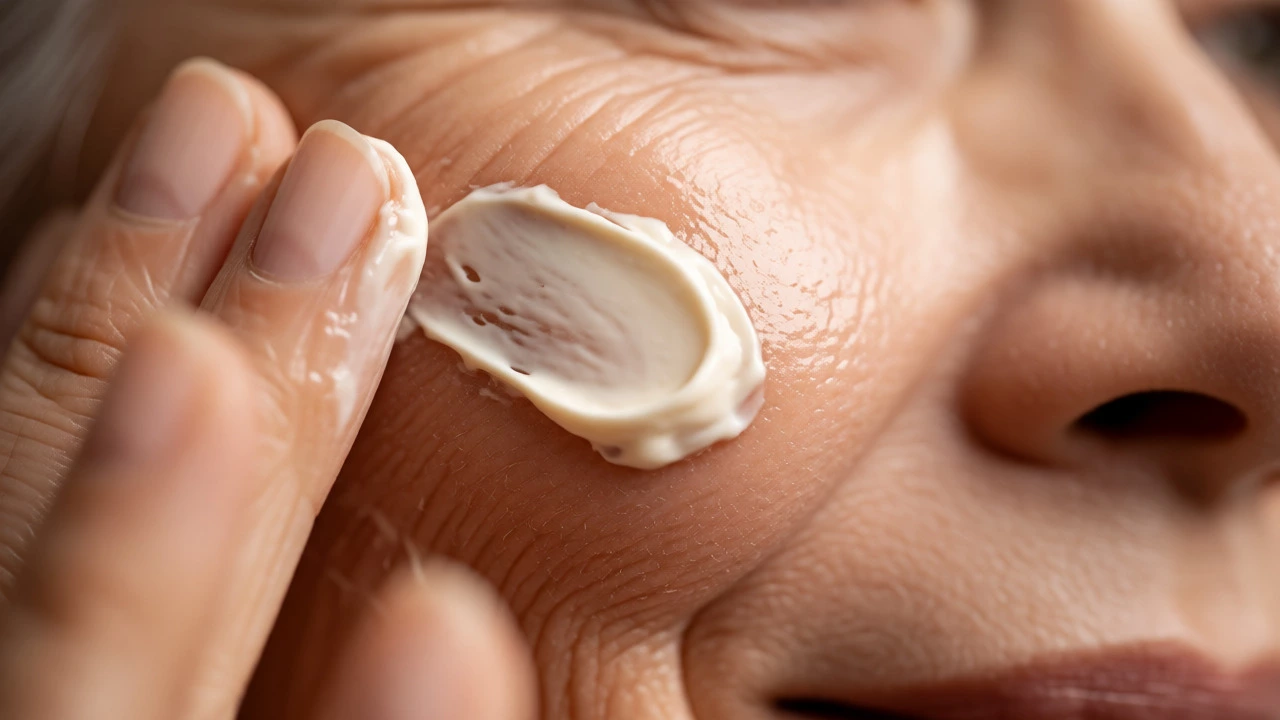
Even the best face moisturizer fails if applied incorrectly. Elderly skin is often drier than we think, so timing matters. Apply your moisturizer while your skin is still slightly damp. Right after patting your face dry from cleansing, there is residual water on the surface. Massaging the cream into damp skin traps that water underneath the emollients.
Don't rub aggressively. Use upward, gentle strokes. Rubbing drags the thin skin, potentially causing micro-tears. Also, don't forget the neck and chest. These areas age faster than the face because they have fewer oil glands and get less attention during skincare routines. Extend your moisturizer down to the décolletage every night.
Pitfalls to Avoid in Mature Skincare
Many people make the mistake of switching to "heavy" greasy ointments because they feel dry. While petrolatum-based products (like Vaseline) are excellent occlusives, they can be too thick for daily daytime use under makeup or sunscreen. Save them for nighttime spot treatments if needed.
Another common error is ignoring SPF. Moisturizing without sun protection is like filling a bucket with a hole in the bottom. UV rays break down collagen faster than any lack of moisture. Choose a moisturizer with SPF 30+ for the day, or layer a dedicated mineral sunscreen over your cream. Mineral sunscreens (zinc oxide/titanium dioxide) are generally better tolerated by sensitive, aged skin than chemical filters.
When to See a Dermatologist
If your skin remains cracked, bleeding, or intensely itchy despite using high-quality moisturizers for four weeks, stop guessing. This could be a sign of eczema, psoriasis, or even thyroid issues affecting skin health. A dermatologist can prescribe prescription-strength retinoids or steroids that over-the-counter products simply cannot match.
Is hyaluronic acid bad for elderly skin?
No, but it requires correct usage. Hyaluronic acid draws moisture. If the air is very dry, it may draw moisture from deeper skin layers instead of the air. Always follow hyaluronic acid with a heavier cream or oil to lock in the hydration.
Can I use the same moisturizer day and night?
You can, but it's often better to separate them. Daytime moisturizers should include SPF and be lighter for makeup compatibility. Nighttime moisturizers can be richer, contain active ingredients like peptides or bakuchiol, and focus purely on repair without sun exposure concerns.
Why does my skin feel tight after washing?
This indicates your cleanser is stripping your natural oils. Switch to a creamy, non-foaming cleanser with a low pH. Hot water also exacerbates this issue; use lukewarm water only.
Are expensive moisturizers better?
Not necessarily. Many affordable drugstore brands use the same effective ingredients (ceramides, niacinamide, glycerin) as luxury brands. You pay for fragrance and packaging with luxury items. Focus on ingredient lists, not price tags.
How long until I see results?
Hydration feels immediate. Barrier repair takes 2-4 weeks. Changes in texture and fine lines from active ingredients like peptides or retinoids take 8-12 weeks of consistent use.
Final Thoughts on Consistency
The best face moisturizer is the one you will actually use twice a day. If a product stings, smells too strong, or feels sticky, you'll skip it. Start with a simple, ceramide-rich cream. Add a vitamin C serum in the morning if you want brightness, and a peptide cream at night for firmness. Protect it with SPF. That routine covers 90% of the needs for healthy, comfortable elderly skin. Don't let the complexity of the beauty industry overwhelm you; your skin just wants to be fed, protected, and treated gently.