Minimalist Lifestyle Impact Calculator
Discover how simplifying your life can free up resources. Adjust the sliders to match your current situation.
Potential Annual Savings
$0
Weekly Time Reclaimed
0 Hours
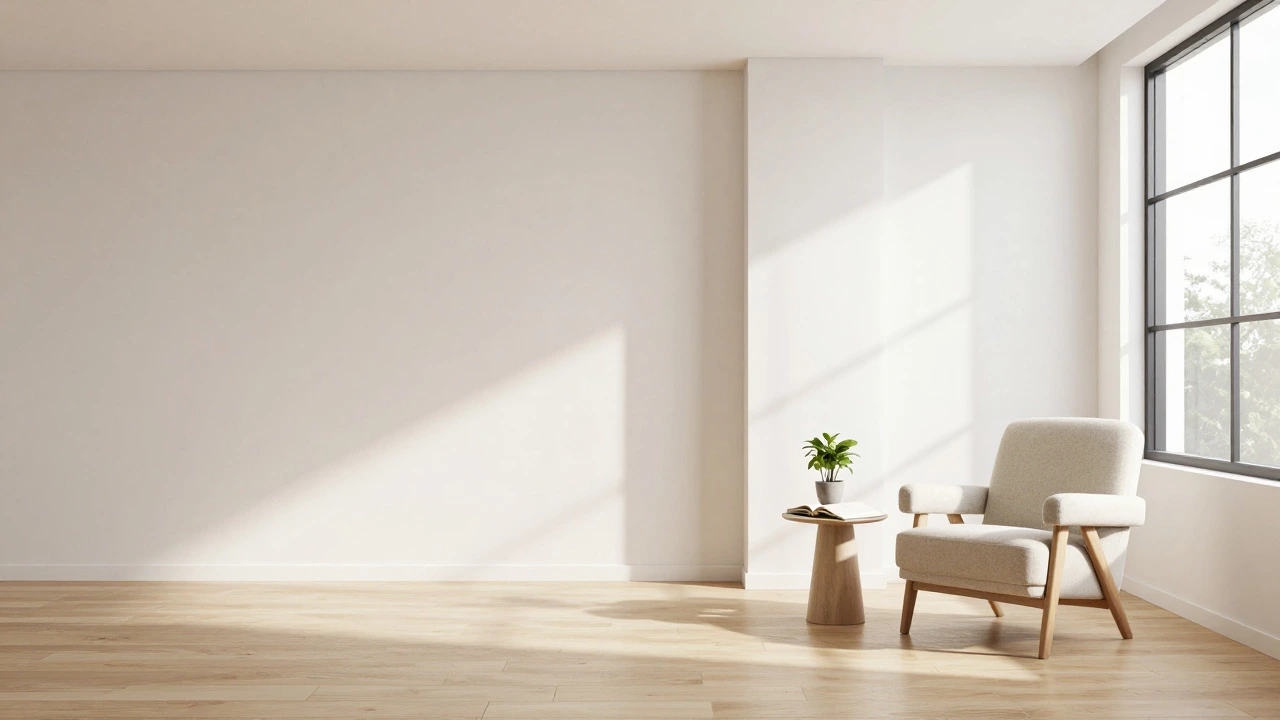
Imagine walking into your home and feeling an immediate sense of calm instead of stress. Your surfaces are clear, your closet contains only clothes you actually love, and your schedule isn't packed with obligations that drain your energy. This isn't a scene from a magazine ad; it's the reality for people who have adopted a minimalist lifestyle, which is a way of living that prioritizes experiences and values over material possessions and clutter.
For years, society told us that more was better. More house square footage, more gadgets, more clothes in the closet. But somewhere along the line, many of us realized that "more" often meant more stress, more cleaning, and more debt. The shift toward minimalism isn't just about having an empty room; it's about making room for what truly matters to you.
The Core Philosophy: Intentionality Over Emptiness
At its heart, minimalism is not a rigid set of rules or a specific aesthetic involving white walls and one plant. It is a tool used to remove the unnecessary so that your essential elements can speak louder. The central concept here is intentionality. Every item you own, every commitment you make, and every dollar you spend should be a deliberate choice, not a default setting.
Consider the difference between a minimalist and someone who is just poor or disorganized. A minimalist chooses to have fewer things because those things bring them joy or utility. They aren't avoiding ownership; they are curating their lives. As Joshua Fields Millburn and Ryan Nicodemus, popular advocates known as The Minimalists, suggest, minimalism is the intentional promotion of the things we most value and the removal of everything that distracts us from them.
This philosophy extends beyond physical objects. It applies to digital clutter, like unread emails and unused apps, and mental clutter, such as toxic relationships or excessive social media scrolling. When you apply intentionality across these areas, you reclaim time and mental bandwidth.
Where Did Minimalism Come From?
While it feels trendy now, the roots of minimalism run deep. In the mid-20th century, artists and architects began stripping away ornate details to focus on form and function. Think of the clean lines of Bauhaus design or the sparse canvases of Mark Rothko. They weren't trying to sell furniture; they were exploring the essence of art by removing excess.
In Japan, the concept has existed for centuries under different names. Wabi-sabi is a worldview centered on the acceptance of transience and imperfection, while Danshari refers to the practice of sorting, discarding, appreciating, and recycling to reduce physical and mental clutter.
In the West, the modern movement gained traction in the late 2000s and early 2010s. Blogs and books started popping up, challenging the consumerist culture. The 2010 documentary The Story of Stuff highlighted the environmental impact of overconsumption, pushing many readers to question their buying habits. Today, minimalism is less of a niche subculture and more of a mainstream response to the overwhelming complexity of modern life.
Practical Benefits: Why People Are Making the Switch
You might wonder why anyone would voluntarily give up things. The answer lies in the tangible benefits that come with simplifying your life. Here are some of the most common outcomes reported by those who practice minimalism:
- Financial Freedom: When you stop buying things you don't need, money stays in your pocket. This allows for savings, investments, or paying off debt faster. Instead of spending $50 on a gadget you'll use once, you save that for a vacation or emergency fund.
- Reduced Stress: Clutter competes for your attention. Studies have shown that visual chaos can increase cortisol levels, the stress hormone. A tidy space leads to a clearer mind.
- More Time: Less stuff means less cleaning, less organizing, and less shopping. If you own 50 shirts instead of 200, getting dressed takes seconds, not minutes. That time adds up over a year.
- Environmental Impact: Consuming less reduces waste and carbon footprint. By buying high-quality items that last, you contribute less to the landfill crisis.
These aren't abstract ideas. They are daily improvements that compound over time. For example, Sarah, a teacher in London, found that after decluttering her home office, she could start working 30 minutes earlier each day because she wasn't wasting time looking for lost files or papers. That extra hour per week became her reading time.

How to Start: A Step-by-Step Approach
Starting a minimalist journey doesn't mean throwing everything out today. In fact, doing too much too fast often leads to burnout. Here is a sustainable way to begin:
- Define Your Values: Ask yourself what matters most. Is it family? Creativity? Health? Adventure? Write these down. Everything else should support these values.
- Pick One Small Area: Don't tackle the whole house. Start with a junk drawer, a single shelf, or your phone's home screen. Success in a small area builds momentum.
- The Four-Box Method: Get four boxes labeled Keep, Donate/Sell, Trash, and Maybe. Go through your chosen area and sort items into these boxes. Be honest. If you haven't used it in a year, does it really stay?
- Implement a One-In-One-Out Rule: For every new item you bring into your home, one old item must leave. This prevents future accumulation.
- Digital Declutter: Unsubscribe from marketing emails, delete unused apps, and organize your computer desktop. Digital clutter causes real-world distraction.
Remember, this is a personal journey. There is no "correct" amount of stuff. For some, minimalism means owning only 100 items total (the "100 Things Challenge"). For others, it simply means keeping their living room free of piles of mail. Both are valid.
Common Misconceptions About Minimalism
Like any growing movement, minimalism comes with stereotypes. Let's clear up a few myths so you can approach it with the right mindset.
| Myth | Reality |
|---|---|
| Minimalists live in empty, sterile rooms. | Minimalist homes are warm and inviting, filled only with items that have meaning or purpose. |
| You have to get rid of all your hobbies. | If your hobby brings you joy, keep it. Minimalism removes distractions, not passions. |
| It's expensive to start. | Minimalism saves money. You spend less on impulse buys and focus on quality over quantity. |
| It's a judgmental lifestyle. | True minimalism is non-judgmental. It's about your relationship with your stuff, not criticizing others. |
Another big misconception is that minimalism is anti-family or anti-child. Parents can absolutely practice minimalism. It might look like having fewer toys but higher-quality ones that encourage creativity. It means teaching children the value of gratitude and care for their belongings rather than constant replacement.
Minimalism in the Digital Age
In 2026, our biggest source of clutter isn't always physical-it's digital. We carry thousands of photos, hundreds of apps, and gigabytes of data in our pockets. Digital minimalism is a philosophy proposed by Cal Newport that encourages using technology intentionally to support core values.
Start by auditing your screen time. Which apps do you open out of habit rather than need? Turn off non-human notifications. If a notification isn't from a person trying to reach you directly, does it need to buzz your phone? Curate your social media feeds. Unfollow accounts that make you feel inadequate or anxious. Follow accounts that educate, inspire, or genuinely entertain you.
Your email inbox is another battlefield. Aim for "Inbox Zero" not as a perfectionist goal, but as a functional state. Archive newsletters you rarely read. Use filters to auto-sort bills and updates. Reclaim your attention span by reducing the number of times you check your phone daily.
Maintaining the Lifestyle Long-Term
The hardest part of minimalism isn't starting; it's staying consistent. Life happens. You get gifts. You buy things on sale because they're cheap. Here’s how to maintain your progress without feeling deprived.
First, embrace the concept of "good enough." You don't need the latest iPhone if your current one works fine. You don't need five blenders. Buy what you need, when you need it. Second, create systems. Have a designated donation box in your garage or closet. When you find something you no longer want, put it there. Once it's full, take it to charity. This makes disposal easy and automatic.
Finally, be kind to yourself. Minimalism is a practice, not a destination. Some days will be messy. That's okay. The goal is progress, not perfection. Check in with yourself regularly. Ask: "Does this still serve me?" If the answer is no, let it go. If yes, enjoy it fully.
Living minimally is ultimately about freedom. It frees you from the burden of maintenance, the pressure of keeping up with trends, and the anxiety of clutter. It allows you to focus on relationships, growth, and experiences that actually enrich your life. So, look around you. What can you release today to make space for tomorrow?
Is minimalism just for rich people?
No, minimalism is accessible to everyone regardless of income. In fact, it is often more beneficial for those with limited budgets because it encourages saving money and avoiding impulse purchases. It is about valuing what you have rather than acquiring more.
How do I deal with sentimental items?
Sentimental items are the hardest to declutter. Try photographing items that hold memories but take up space. Keep a small "memory box" for the most significant pieces, but limit the size of the box. Remember, the memory is in you, not in the object.
Can I be a minimalist with kids?
Yes, absolutely. Minimalism with kids involves choosing high-quality, durable toys and rotating them to keep interest fresh. It also teaches children responsibility and gratitude. It may look different than adult minimalism, but the principles of intentionality remain the same.
What is the difference between minimalism and hoarding?
Hoarding is a mental health condition characterized by difficulty discarding items, leading to clutter that impairs living spaces. Minimalism is a conscious choice to reduce possessions to enhance quality of life. They are opposites in intent and outcome.
How long does it take to become a minimalist?
There is no set timeline. Some people see changes in weeks, while others take years. It depends on your starting point and goals. Focus on consistent small steps rather than a quick fix. It is a lifelong practice of evaluation and adjustment.