Potato Meal Prep Method Selector
Yes, you can meal prep potatoes-and if you’re doing it right, they’ll taste just as good on Thursday as they did on Sunday. But if you’ve tried before and ended up with mushy, gray, or rubbery spuds, you’re not alone. Most people fail because they treat potatoes like rice or chicken-just cook, cool, and store. Potatoes need special handling. Here’s how to do it right, based on real kitchen tests and feedback from home cooks who’ve done this for years.
Why Potatoes Are Trickier Than You Think
Potatoes aren’t just carbs. They’re starchy, water-heavy vegetables with delicate cell structures. When you cook them, their starch granules swell and absorb water. Then, when they cool, those granules start to retrograde-meaning the starch recrystallizes and squeezes out moisture. That’s why cold mashed potatoes get grainy, and roasted potatoes turn soggy if not handled properly.
Not all potato varieties behave the same. Russets are dry and fluffy when baked, perfect for reheating. Yukon Golds hold their shape better and stay creamy. Red potatoes hold up well in salads. But if you use a waxy potato for mashed potatoes and then refrigerate it? You’ll get glue.
Best Ways to Meal Prep Potatoes
There are three proven methods that actually work. Pick one based on how you plan to eat them.
1. Roasted Potatoes (Best for Crispy Texture)
Roasting is the gold standard for meal-prepped potatoes. Here’s how:
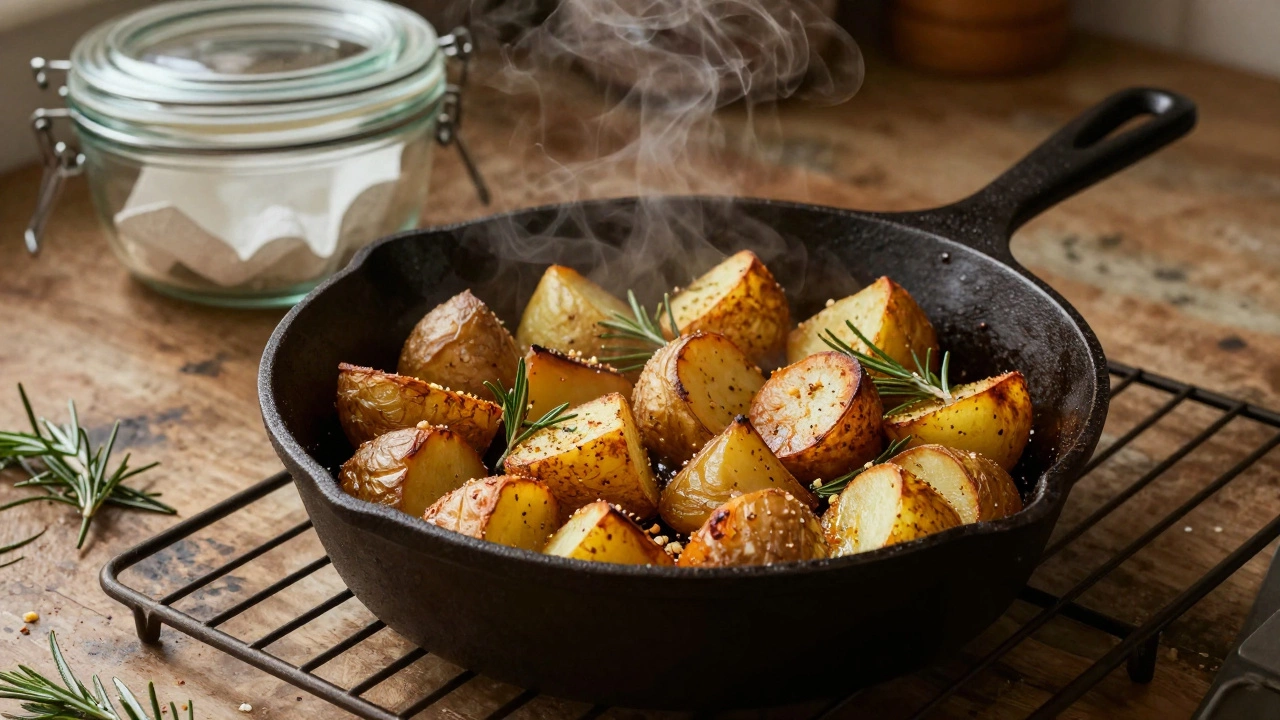
- Use russets or Yukon Golds, cut into 1-inch cubes.
- Toss with olive oil, salt, pepper, and garlic powder-no water-based sauces.
- Roast at 425°F (220°C) for 30-40 minutes until golden and crisp on the outside.
- Let them cool on a wire rack, not in the pan. This stops steam from softening the crust.
- Store in an airtight container with a paper towel underneath to absorb moisture.
They’ll keep for 5 days in the fridge. Reheat in a 375°F (190°C) oven for 10-15 minutes. The paper towel trick keeps them from turning into boiled potatoes. Skip the microwave-it turns them rubbery.
2. Boiled or Steamed Potatoes (Best for Mashing or Salads)
If you’re prepping potatoes for mashed potatoes or potato salad, boil or steam them whole or halved.
- Choose Yukon Golds or red potatoes-they hold shape better.
- Boil until fork-tender, but don’t overcook. They should still feel slightly firm.
- Drain well and let them air-dry for 10 minutes before cooling.
- Store in a sealed container with a dry paper towel on top.
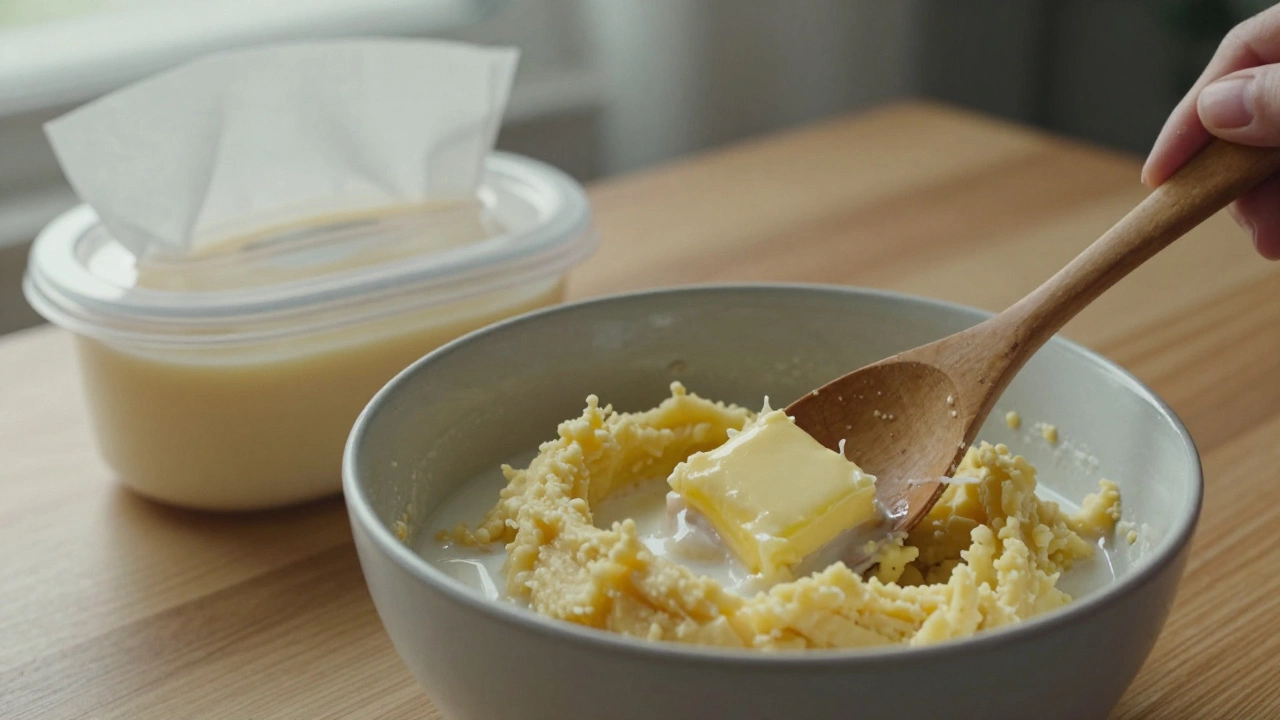
For mashed potatoes: mash them with butter and warm milk, then cool immediately. Cold mashed potatoes set up better if they’re fully cooled before refrigerating. Reheat gently with a splash of milk and a pat of butter. Never reheat in a microwave alone-stir in the microwave halfway through.
For potato salad: cool them completely before mixing with dressing. Warm potatoes will make the mayo break and turn watery.
3. Pre-Cooked for Baking (Best for Busy Weeknights)
Pre-bake whole potatoes and reheat them later. This works great if you eat them plain or top them with beans, cheese, or sour cream.
- Poke holes in russets with a fork.
- Bake at 400°F (200°C) for 50-60 minutes until soft inside.
- Cool completely before wrapping individually in foil or placing in a container.
- Reheat in a 350°F (175°C) oven for 15-20 minutes.
Don’t wrap them while hot. Trapped steam turns the skin soggy. You’ll lose the crispy skin you worked for.
What Not to Do
Here are the three biggest mistakes people make:
- Storing hot potatoes - Traps steam, makes them soggy. Always cool at room temperature first.
- Adding sauce or liquid before storing - The potatoes soak it up like a sponge. Add dressings, gravies, or sour cream only when reheating.
- Using the microwave for reheating - It’s the fastest way to ruin texture. Use the oven or toaster oven.
How Long Do Meal-Prepped Potatoes Last?
Properly stored, cooked potatoes last:
- 5 days in the fridge - with dry paper towels and airtight containers
- 3 months in the freezer - if you flash-freeze them on a tray first, then bag them
Freezing works surprisingly well for roasted or mashed potatoes. Just thaw overnight in the fridge and reheat in the oven. Don’t freeze boiled potatoes meant for salads-they’ll turn to mush.
Real-World Example: A Weekly Meal Plan
Here’s how one person in Durban uses meal-prepped potatoes:
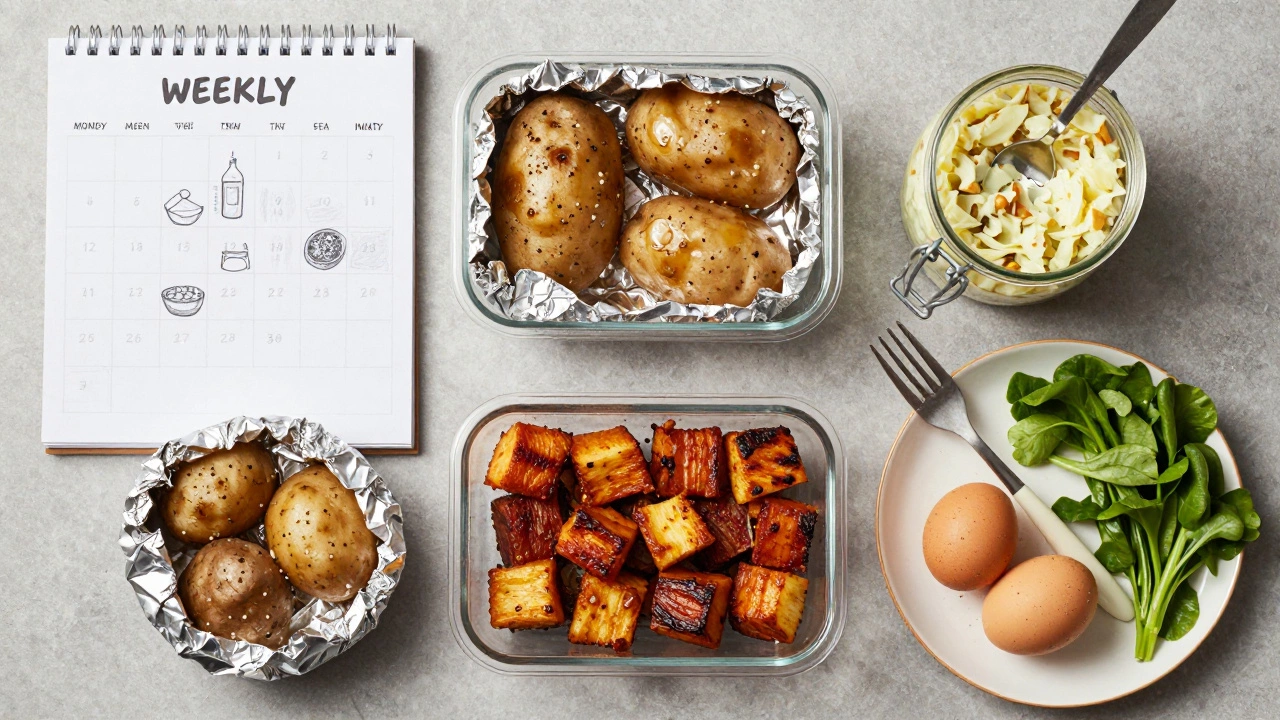
- Sunday: Roast 3 lbs of russets with rosemary and garlic. Store in two containers.
- Monday: Serve with grilled chicken and steamed greens.
- Tuesday: Dice leftovers into a frittata.
- Wednesday: Mash half a batch with a splash of cream and butter.
- Thursday: Slice remaining roasted potatoes and bake again with eggs for a breakfast hash.
- Friday: Freeze the last portion for next week.
That’s five meals from one prep session. No waste. No regret.
Storage Tips That Actually Matter
- Use glass containers over plastic. They don’t trap odors or stains.
- Label everything with the date. Potatoes don’t spoil fast, but quality drops after 5 days.
- Keep them away from onions. The gases onions release make potatoes sprout faster.
- If you see a few sprouts, cut them off. The potato is still fine-just remove the eyes.
And if you’re worried about nutrition? Cooking and cooling potatoes increases resistant starch-a type of fiber that feeds good gut bacteria. Cold potatoes are actually healthier than hot ones.
Final Thought: It’s Not About the Potato, It’s About the Method
You don’t need fancy tools or exotic ingredients. Just three things: patience, dry storage, and the right reheating method. Potatoes are one of the most forgiving, versatile foods you can prep. Do it right, and they’ll carry you through the week without boring you.
Can you meal prep potatoes ahead of time?
Yes, you can meal prep potatoes up to 5 days ahead if stored properly. Roast, boil, or bake them, then cool completely before storing in an airtight container with a dry paper towel to absorb moisture. Avoid adding sauces or liquids until reheating.
How do you reheat meal-prepped potatoes?
Never use the microwave alone-it makes potatoes rubbery or soggy. Reheat roasted potatoes in a 375°F (190°C) oven for 10-15 minutes. For mashed potatoes, warm them gently on the stove with a splash of milk and butter. Pre-baked whole potatoes reheat best at 350°F (175°C) for 15-20 minutes.
Do potatoes get mushy when meal prepped?
Yes, if you store them while hot, use watery sauces, or reheat them in the microwave. To avoid mushiness, always cool potatoes completely before storing, use dry storage methods, and reheat in the oven. Choose the right potato type too-Yukon Golds and red potatoes hold shape better than russets for salads.
Can you freeze meal-prepped potatoes?
Yes, roasted and mashed potatoes freeze well. Flash-freeze them on a baking sheet first, then transfer to freezer bags. They’ll last up to 3 months. Avoid freezing boiled potatoes meant for salads-they turn mushy when thawed. Thaw overnight in the fridge and reheat in the oven.
What potato variety is best for meal prep?
It depends on how you plan to eat them. Russets are best for roasting and baking because they’re fluffy and dry. Yukon Golds work well for mashing and salads-they stay creamy. Red potatoes hold their shape best in cold dishes like potato salad. Avoid waxy potatoes for mashed potatoes, and avoid starchy ones for salads.