Personalized Skincare Routine Builder
Based on the science of absorption and barrier function, build a simple, effective routine tailored to your skin type and climate.
Your Recommended Framework
Simplicity wins. Follow this core structure daily:
Let’s be honest for a second. You spend twenty minutes every morning and evening washing, toning, moisturizing, and applying serums. You buy the expensive stuff. You follow the trends. But when you look in the mirror, your skin looks exactly the same as it did six months ago. Or maybe it’s worse. Maybe it’s red, irritated, or breaking out more than before. So, the big question is: do skin care routines actually work?
The short answer is yes. But there is a massive catch. A routine only works if it is built on science, not hype. If you are slapping products on your face without understanding what they do or how your skin functions, you aren’t doing skincare. You’re just wasting money. In Durban, where we deal with high humidity and intense UV radiation year-round, getting this wrong can lead to specific issues like hyperpigmentation and fungal acne that generic advice won’t fix.
The Science of Absorption: Why Most Products Don't Penetrate
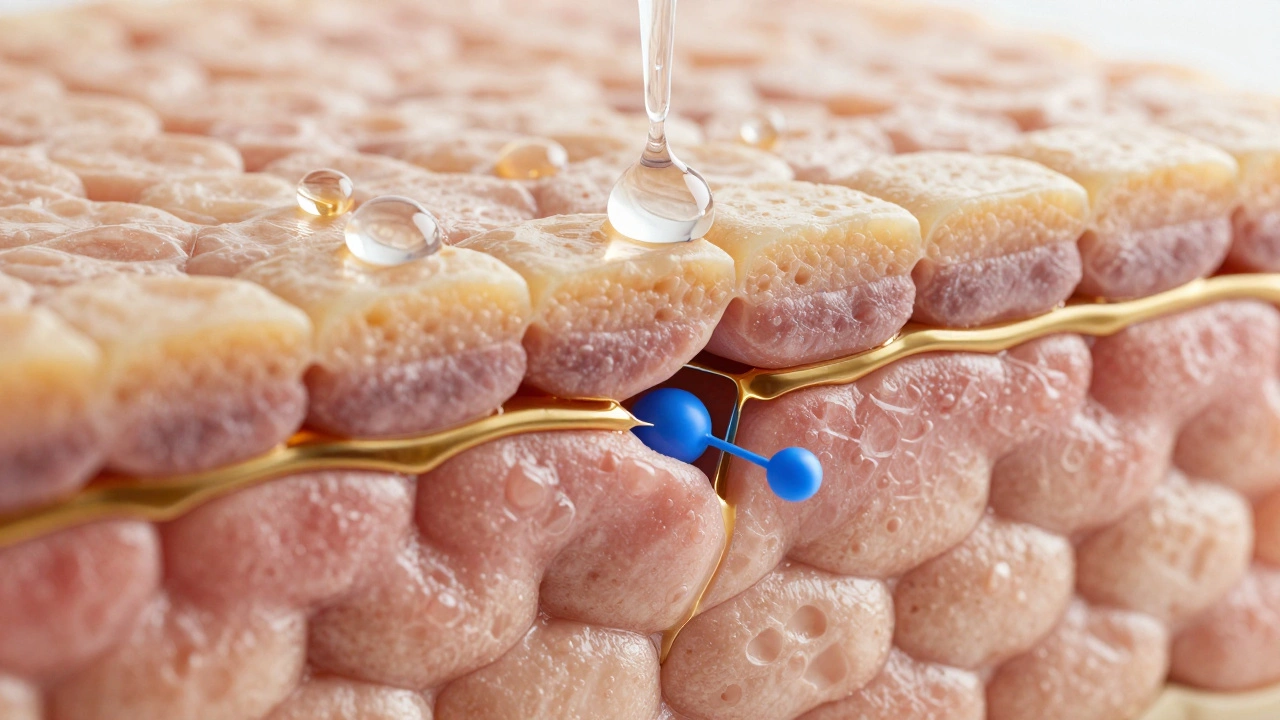
To understand why some routines fail, you have to understand the stratum corneum, which is the outermost layer of the epidermis acting as a protective barrier. This layer exists for one reason: to keep things out. It is incredibly good at its job. When you apply a serum, most of it sits on top of your skin. Only a tiny fraction penetrates deep enough to affect cell behavior.
This is why ingredient concentration matters more than brand name. A product might claim to have "potent" vitamin C, but if the molecule size is too large or the pH level is wrong, it won’t penetrate. For example, L-ascorbic acid (pure vitamin C) needs a low pH (around 3.5) to be effective. If a brand formulates it at a neutral pH to make it gentler, it becomes useless. Your routine fails here because the chemistry doesn’t support the delivery mechanism.
Think of it like trying to push water through a brick wall. No matter how hard you press, the water stays on the surface. Skincare works by creating pathways or using molecules small enough to slip through those bricks. That is why chemical exfoliants, such as AHAs and BHAs, are crucial. They don’t scrub; they dissolve the glue holding dead skin cells together, allowing subsequent products to absorb better.
The Barrier Function: The Real Goal of Skincare
Most people think the goal of skincare is to kill bacteria or scrub away dirt. That is outdated thinking. The modern dermatological consensus is that the primary goal is maintaining the skin barrier, which consists of lipids, ceramides, and natural moisturizing factors that prevent water loss and block pathogens. When your barrier is healthy, your skin repairs itself efficiently. When it is compromised, everything goes wrong.
A compromised barrier leads to Transepidermal Water Loss (TEWL). This means moisture evaporates from your skin into the air. Your skin reacts by producing more oil to compensate, leading to clogged pores and breakouts. Then, because your skin feels dry, you use harsh cleansers to strip that oil, which damages the barrier further. It is a vicious cycle.
In humid climates like South Africa’s coast, this is tricky. You need hydration, but heavy creams can trap heat and sweat, causing irritation. The solution isn’t more product; it’s the right formulation. Look for ingredients like ceramides and fatty acids that mimic the skin's natural lipid structure. These repair the mortar between your skin cells. Without them, even the best anti-aging serum will fail because the foundation is cracked.
| Myth | Scientific Reality | Impact on Routine |
|---|---|---|
| More products = better results | Overloading causes ingredient conflicts and barrier damage | Simplify to cleanse, treat, protect |
| Natural ingredients are always safer | Essential oils and botanicals are common allergens | Patch test all new ingredients regardless of source |
| You need to feel a tingle for it to work | Tingling often indicates irritation or low pH stress | Effective actives should be comfortable, not painful |
| Cleansing removes all makeup and sunscreen | Water-based cleansers struggle with oil-based residues | Use double cleansing with an oil balm first |
Active Ingredients: The Engine of Your Routine
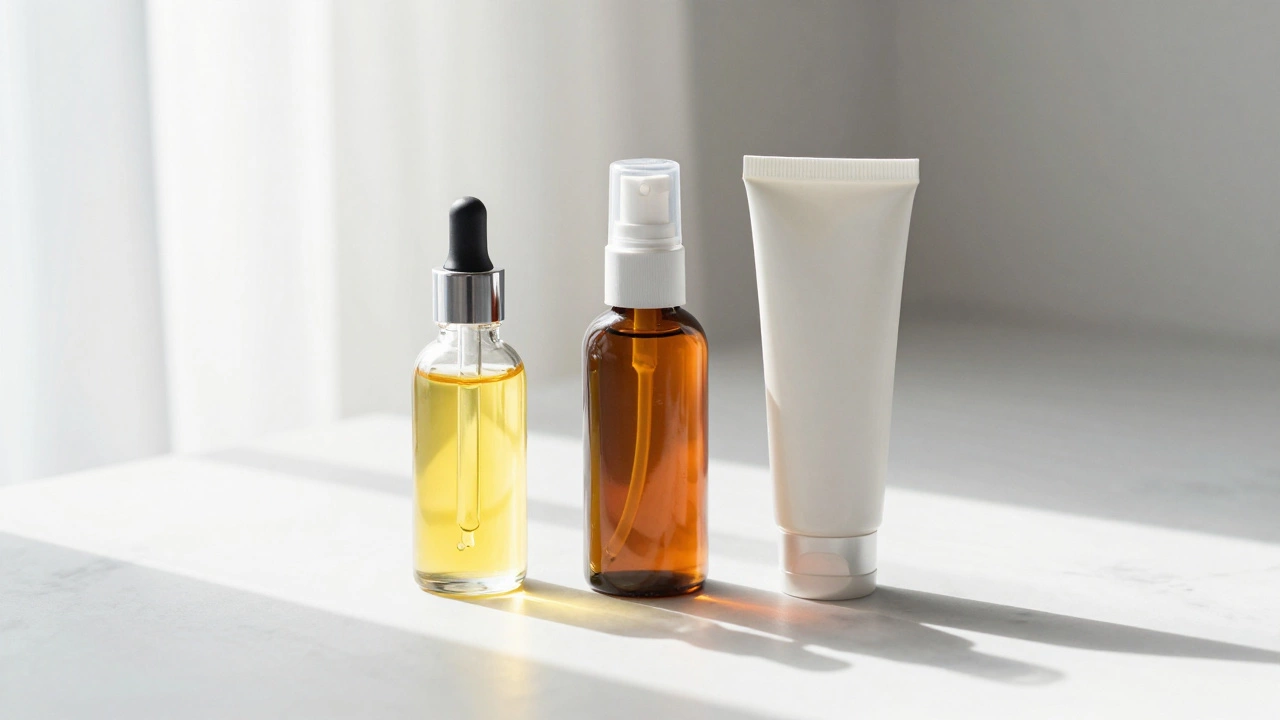
If the barrier is the car body, active ingredients are the engine. Without them, you are just cleaning the exterior. However, many people misuse these powerhouses. Let’s look at the big three: Retinoids, Vitamin C, and Chemical Exfoliants.
Retinoids, including retinol, retinaldehyde, and prescription tretinoin, are the gold standard for anti-aging and acne. They speed up cell turnover and boost collagen production. But here is the problem: they cause purging and irritation initially. Many people quit after two weeks because their skin looks worse. They stop, so the routine never works. Consistency is key. You must start slow-twice a week-and build tolerance over months.
Vitamin C is an antioxidant. It neutralizes free radicals from UV exposure and pollution. In Durban, where UV index levels frequently reach extreme ranges, this is non-negotiable. However, Vitamin C oxidizes quickly. If your serum turns dark orange or brown, it is dead. Applying oxidized Vitamin C does nothing. Check the packaging; opaque, airless pumps preserve potency far better than clear jars.
Chemical exfoliants like Glycolic Acid (AHA) and Salicylic Acid (BHA) remove dead skin cells. AHAs work on the surface, improving texture and brightness. BHAs go deeper into pores, making them ideal for oily, acne-prone skin. Using both at the same time is a recipe for disaster. Pick one based on your concern. Do not mix them unless you are under professional guidance.
The Sunscreen Non-Negotiable
Here is the hard truth: no amount of retinol or vitamin C will save you if you skip sunscreen. UV radiation breaks down collagen and elastin faster than any aging process. It also triggers melanin production, leading to dark spots. In South Africa, melanoma rates are among the highest in the world. This isn’t just about looking young; it’s about survival.
Many people avoid sunscreen because it feels greasy or leaves a white cast. Technology has improved. Look for mineral filters like Zinc Oxide or Titanium Dioxide, which are less irritating for sensitive skin, or modern chemical filters like Tinosorb, which offer broad-spectrum protection without the heaviness. Apply two fingers’ worth to your face and neck. Reapply every two hours if you are outdoors. If you don’t reapply, you aren’t protected.

Why Your Routine Might Be Failing
If you’ve been consistent for three months and see no change, something is off. Here are the most common culprits:
- Ingredient Conflicts: Mixing Niacinamide with high-strength Vitamin C was once thought to cause flushing. While newer research suggests they can coexist, combining multiple strong actives (like Retinol + AHA + Vitamin C) in one routine overwhelms the skin. Space them out. Use Vitamin C in the morning, Retinol at night.
- Wrong Product for Your Skin Type: Using a heavy cream designed for dry skin when you have oily, humid-climate skin will clog pores. Conversely, using gel cleansers on dry skin strips necessary lipids. Match the formulation to your biology.
- Impatience: Skin cycles take 28 days. Collagen remodeling takes three to six months. If you judge results after two weeks, you will always be disappointed. Track progress with monthly photos, not daily mirror checks.
- Lifestyle Factors: Skincare cannot fix poor sleep, high sugar intake, or chronic stress. Cortisol spikes trigger inflammation and breakouts. Hydration from within matters. Drink water. Sleep seven hours. These basics amplify topical efforts.
Building a Routine That Actually Works
Forget the ten-step Korean routine if you are just starting. Simplicity wins. Build a core framework:
- Cleanse: Gentle, pH-balanced cleanser. Remove makeup and sunscreen thoroughly.
- Treat: One active ingredient targeting your main concern (e.g., Retinol for aging, Salicylic Acid for acne).
- Moisturize: Seal in hydration with a barrier-supporting cream.
- Protect: Broad-spectrum SPF 30+ every single morning, rain or shine.
Add extras only after this base is stable for three months. Introduce one new product at a time. Wait two weeks before adding another. This way, if you react badly, you know exactly what caused it.
Skincare is not magic. It is biology. It requires patience, consistency, and smart choices. If you respect your skin’s barrier and choose evidence-based ingredients, your routine will work. If you chase trends and overload your face, it won’t. Choose wisely.
How long does it take for a skincare routine to show results?
Most visible improvements in hydration and texture occur within 2 to 4 weeks. However, significant changes like reduced wrinkles, faded dark spots, or cleared acne typically require 3 to 6 months of consistent use. Skin cell turnover takes approximately 28 days, so rushing expectations leads to premature abandonment of effective treatments.
Can I use Vitamin C and Retinol in the same routine?
It is generally recommended to separate them. Use Vitamin C in the morning to protect against environmental damage and Retinol at night to repair and renew skin. Using both simultaneously can increase the risk of irritation and reduce the efficacy of both ingredients due to pH incompatibility.
Is double cleansing necessary for everyone?
Double cleansing is essential if you wear waterproof makeup, heavy sunscreen, or live in a polluted environment. It involves using an oil-based cleanser first to dissolve sebum and makeup, followed by a water-based cleanser to clean the skin. For those with minimal makeup or sensitive skin, a gentle single cleanse may suffice.
Why does my skin get worse when I start using Retinol?
This is known as "purging." Retinol accelerates cell turnover, bringing underlying congestion to the surface faster. It usually lasts 4 to 6 weeks. If irritation persists beyond this period, it may be an allergic reaction or barrier damage. Start with a lower concentration and apply less frequently to mitigate this effect.
Does humidity affect how skincare products perform?
Yes, significantly. High humidity increases sweat and sebum production, which can dilute products and clog pores. Lightweight, non-comedogenic formulations work best. In dry climates, richer creams help lock in moisture. Adjust your moisturizer weight based on seasonal and regional climate changes.