
Glass Skin Routine Builder
Choose the option that best describes your skin to generate a tailored routine.
Ready to glow?
Select your skin type and click "Build My Routine" to see your personalized steps.
You’ve probably seen those viral videos. A person tilts their head under bright light, and their face reflects it like a mirror. No pores, no redness, just a translucent, dewy glow that looks almost impossible. This is glass skin, a Korean beauty trend characterized by skin that is exceptionally clear, smooth, and luminous. It’s not about wearing heavy foundation or using filters. It’s the result of consistent, disciplined care that prioritizes hydration and barrier health over aggressive exfoliation.
If you want to achieve this look, you need to understand that glass skin isn’t a product; it’s a process. It requires patience, the right ingredients, and a shift in how you treat your facial skin. You aren’t trying to strip away layers; you are building them up with moisture and protection. Here is exactly how Koreans approach this aesthetic and how you can adapt it for your own routine.
The Philosophy Behind the Glow
To get glass skin, you first have to change your mindset. Western skincare often focuses on fixing problems as they arise-acne, wrinkles, dryness. Korean skincare, or K-beauty, focuses on prevention and maintenance. The goal is to keep the skin barrier healthy so strong enough to repel environmental damage and retain water.
K-beauty relies on a multi-step regimen that emphasizes gentle cleansing, intense hydration, and sun protection. The "glass" effect comes from light reflecting off a perfectly smooth, hydrated surface. If your skin is dehydrated, it looks dull and flat. If it is plump with water, it catches the light. This is why hydration is the single most important factor in this routine. You cannot achieve this look with clay masks and harsh acids alone. You need to flood the skin with humectants and seal them in with occlusives.
Step 1: Double Cleansing
Your routine starts at night. If you don’t clean your face properly, every other product will sit on top of dirt and oil, making your skin look congested rather than clear. Koreans use a method called double cleansing.
- Oil-based cleanser: Start with an oil cleanser or balm. Oil dissolves oil. This step removes sunscreen, makeup, and sebum without stripping the skin. Massage it onto dry skin for at least 60 seconds.
- Water-based cleanser: Follow with a gentle foaming or gel cleanser. This removes sweat, pollution, and any residue left by the oil cleanser. Look for pH-balanced formulas that don’t leave your skin feeling tight or squeaky.
This two-step process ensures your pores are completely clear without damaging the skin barrier. Tight, squeaky-clean skin is a sign of dehydration, which is the enemy of glass skin.
Step 2: Exfoliation (The Gentle Kind)
You might think you need harsh scrubs to get smooth skin, but physical scrubs can cause micro-tears and inflammation. Instead, use chemical exfoliants. These dissolve the glue holding dead skin cells together, allowing them to shed naturally.
AHAs (Alpha Hydroxy Acids) like glycolic acid or lactic acid are great for surface-level brightness. They help fade dark spots and improve texture. BHAs (Beta Hydroxy Acids) like salicylic acid penetrate deeper into pores to clear out congestion. Use these only 1-2 times a week. Over-exfoliating leads to sensitivity and redness, which ruins the clear, even tone you’re aiming for. Listen to your skin. If it stings when you apply moisturizer, you’ve done too much.
Step 3: Hydration Layering
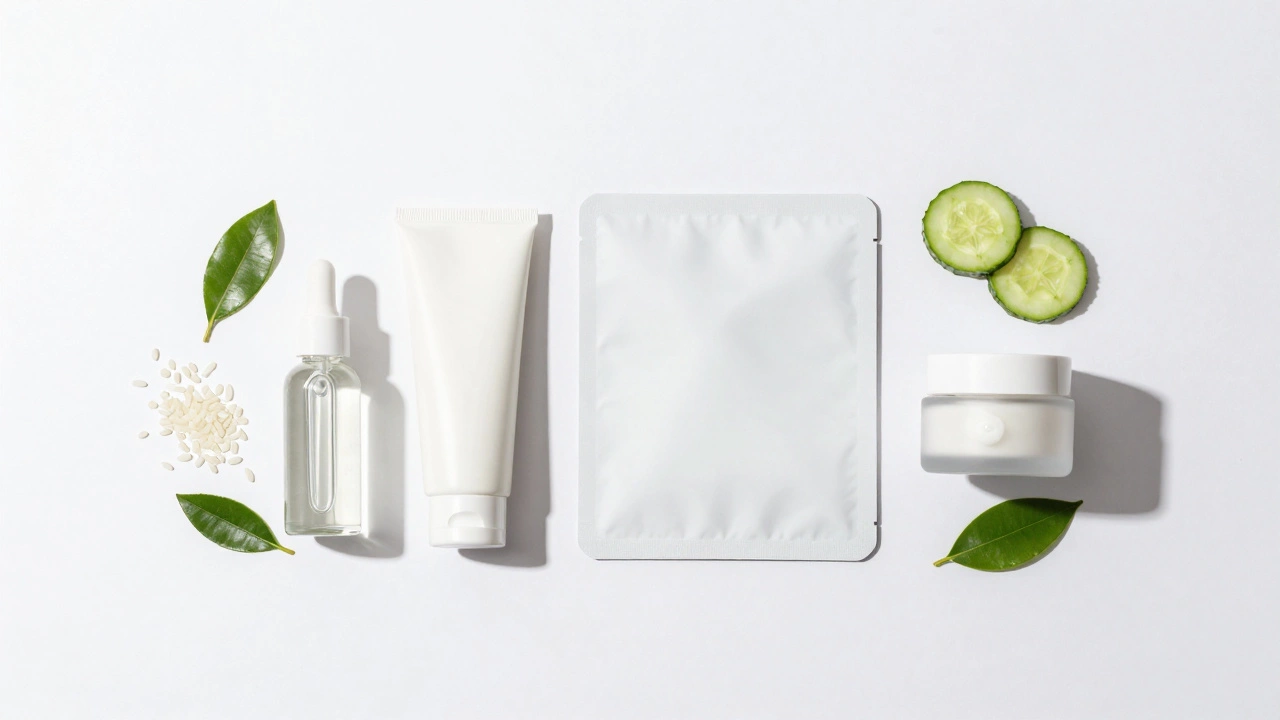
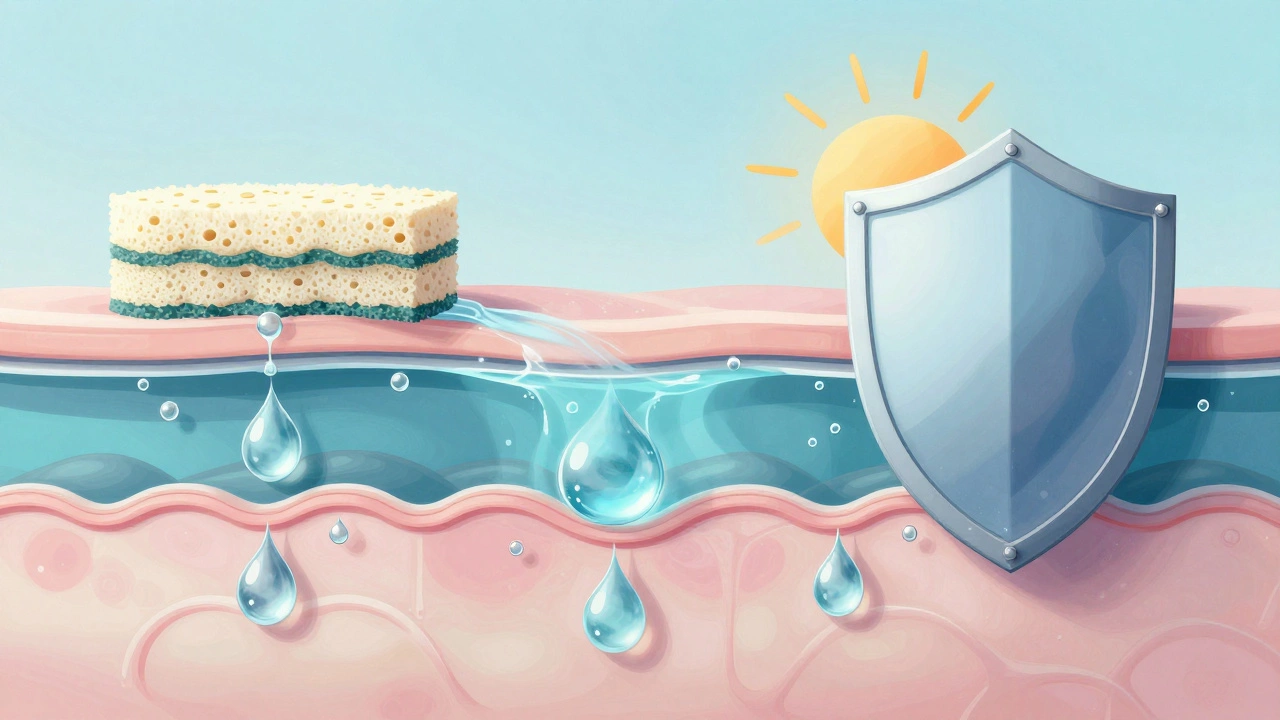
This is the core of the glass skin routine. You aren’t just applying one lotion; you are layering different types of hydrators to build depth. Think of it like a sponge. You need to wet the sponge, then lock the water in.
- Toner: Use a hydrating toner immediately after washing. Your skin absorbs best when slightly damp. Pat it in rather than wiping it off.
- Essence: This is a staple in Korean routines. Fermented essences contain bio-active ingredients derived from fermentation processes that enhance absorption and nourish the skin. They are lightweight but packed with nutrients that boost cell turnover and hydration.
- Serum: Target specific concerns here. For glass skin, look for hyaluronic acid or niacinamide. Niacinamide helps minimize pore appearance and strengthens the barrier.
- Sheet Masks: Use these 2-3 times a week for an extra hydration boost. Leave the mask on for 15-20 minutes, then pat the remaining essence into your skin.
Step 4: Moisturizing and Sealing
Hydrating is useless if the water evaporates. You need a moisturizer to seal everything in. Choose a cream or gel based on your skin type. Oily skin can use lighter gels, while dry skin needs richer creams.
Look for ingredients like ceramides, squalane, and peptides. Ceramides are lipids that form the skin's barrier, protecting against external aggressors and preventing water loss. They act as the mortar between your skin cells, keeping the structure intact and smooth. Without a strong barrier, your skin will look rough and uneven.
Step 5: Sun Protection
This is non-negotiable. You can do all the steps above perfectly, but if you skip sunscreen, UV rays will break down collagen, cause hyperpigmentation, and dull your complexion. Glass skin is clear skin, and sun damage creates dark spots and texture issues.
Koreans often prefer chemical sunscreens because they absorb into the skin and provide a lightweight, non-greasy finish compared to traditional mineral options. They tend to feel more like skincare products and less like chalky pastes. Apply SPF 30 or higher every morning, even if you are indoors. Windows let UVA rays through, which age the skin. Reapply every two hours if you are outside.
Internal Habits That Support Clear Skin
Skincare is only half the battle. What you put inside your body affects what shows up on your face. Koreans often emphasize internal balance for external beauty.
Drink plenty of water. Dehydration makes fine lines more visible and skin look gray. Reduce sugar and dairy intake if you notice breakouts. Sugar causes glycation, a process that damages collagen and elastin, leading to sagging and dullness. Sleep is also critical. During deep sleep, your body repairs DNA damage and produces growth hormones. Aim for 7-8 hours. Stress raises cortisol levels, which triggers oil production and inflammation. Managing stress is part of skincare.
Common Mistakes to Avoid
Many people fail to achieve glass skin because they rush the process or use the wrong products. Here are the pitfalls to watch out for:
- Overloading products: Using too many active ingredients at once can irritate the skin. Stick to a simple routine and add products slowly.
- Ignoring patch tests: Always test new products on a small area of your jawline before applying them to your whole face.
- Expecting overnight results: Glass skin takes months to develop. Consistency is key. Don’t switch routines every week.
- Skipping the eye area: The skin around your eyes is thin and delicate. Use a specific eye cream to prevent crepiness and dark circles.
| Ingredient | Function | Best For |
|---|---|---|
| Hyaluronic Acid | Attracts and holds moisture | All skin types |
| Niacinamide | Reduces pores and redness | Oily and sensitive skin |
| Ceramides | Repairs skin barrier | Dry and compromised skin |
| Glycolic Acid | Exfoliates surface cells | Dull and textured skin |
| Rice Extract | Brightens and soothes | Pigmentation and irritation |
Adapting the Routine for Your Skin Type
Glass skin isn’t one-size-fits-all. You need to tweak the routine based on your unique needs.
If you have oily skin, focus on lightweight, water-based products. Avoid heavy creams that can clog pores. Use a BHA exfoliant to keep pores clear. If you have dry skin, prioritize rich creams and facial oils. Add an oil serum before moisturizer. If you have sensitive skin, avoid fragrances and harsh acids. Stick to centella asiatica, green tea, and oat extract, which calm inflammation.
How long does it take to get glass skin?
It typically takes 4 to 12 weeks to see significant changes. Skin cells turnover every 28 days, so you need at least one full cycle to see the effects of new products. Consistency is more important than speed.
Can I get glass skin if I have acne?
Yes, but you must treat the acne first. Focus on gentle cleansing and barrier repair. Avoid heavy makeup. Once active breakouts heal, the hydration routine will help fade scars and improve texture.
Is glass skin natural or fake?
True glass skin is natural. It comes from healthy, hydrated skin that reflects light. However, some people use highlighters or filters to mimic the look. Real glass skin feels smooth to the touch and has no makeup on it.
Do I need to spend a lot of money on products?
No. Expensive products don’t guarantee better results. Look for effective ingredients like hyaluronic acid and niacinamide, which are available in drugstore brands. The technique matters more than the price tag.
What is the difference between dewy skin and glass skin?
Dewy skin is shiny and moist, often achieved with highlighters or oily serums. Glass skin is translucent and clear, with a porcelain-like smoothness. It requires a flawless texture underneath, not just surface shine.