Personalized Skincare Routine Builder
Step 1: Skin Analysis
Follow the "Bare Faced Test": Wash your face with a gentle cleanser, pat dry, and wait one hour. Do not apply products. Then answer these questions.
Your Personalized Plan
Morning Routine (Protect)
Evening Routine (Repair)
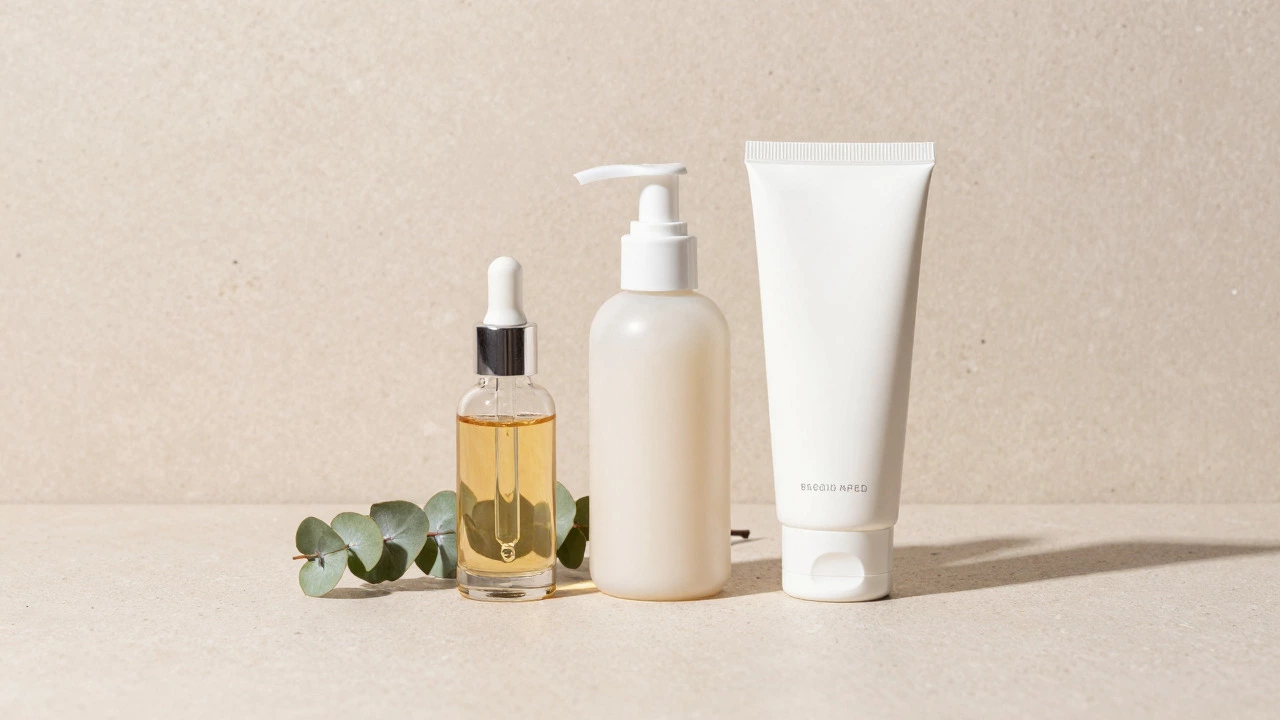
Recommended Starter Kit:
Complete the analysis on the left to see your custom routine.
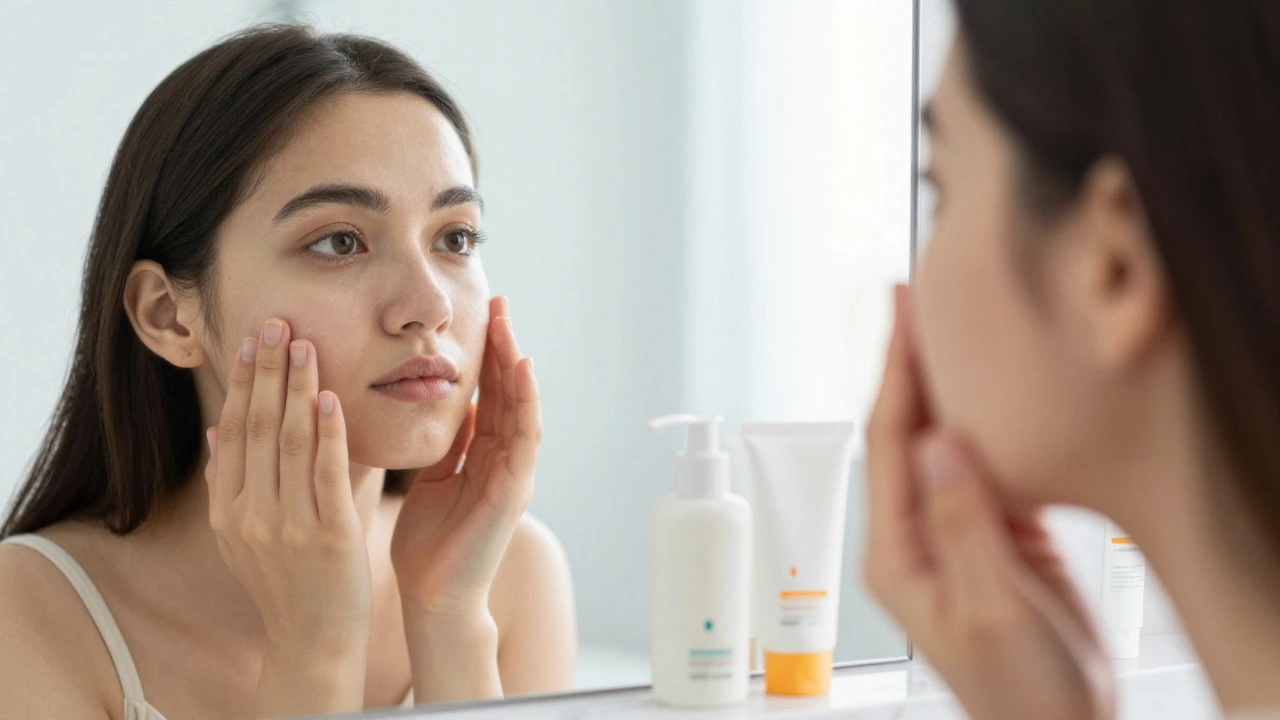
You look in the mirror and see redness, breakouts, or just dullness. You scroll through social media and see influencers with fifteen-step regimens using ingredients you can’t pronounce. It’s overwhelming, right? You don’t need a lab coat or a fortune to get clear, healthy skin. In fact, doing too much is often the problem. Starting a skincare routine isn’t about buying every product on the shelf; it’s about consistency and understanding what your skin actually needs.
Living here in Durban, I know how tricky skin care can be. We have high humidity, strong UV index even on cloudy days, and salt air that can dry out your barrier if you’re not careful. But the core principles remain the same whether you are in South Africa, New York, or Tokyo. This guide cuts through the noise. We will build a foundation that works, step by step, so you can stop guessing and start seeing results.
The Core Philosophy: Less Is More
Before we talk about products, let’s talk about strategy. The biggest mistake beginners make is over-complicating things. Your skin has a natural protective layer called the acid mantle. When you strip this away with harsh cleansers or too many active ingredients, your skin panics. It produces more oil to compensate, leading to more acne, or it becomes inflamed and sensitive.
A beginner routine should focus on three non-negotiable pillars:
- Cleansing: Removing dirt, oil, and pollutants without damaging the barrier.
- Misting/Moisturizing: Hydrating the skin and sealing that moisture in.
- Protection: Shielding your skin from UV damage, which causes premature aging and hyperpigmentation.
If you master these three steps, you are already ahead of 80% of people who buy expensive serums but skip sunscreen. Think of your skin like a house. Cleansing is sweeping the floor. Moisturizing is painting the walls to keep them intact. Sunscreen is the roof protecting everything from the storm outside. You can’t skip the roof.
Step 1: Know Your Skin Type
You cannot choose the right tools if you don’t know what material you are working with. Using heavy creams on oily skin will clog pores. Using gel cleansers on dry skin will cause flaking. Take five minutes today to determine your skin type. Wash your face with a gentle cleanser and pat it dry. Do not apply any other products. Wait one hour. Then, observe your face in the mirror.
| Skin Type | Appearance After 1 Hour | Common Feelings |
|---|---|---|
| Oily | Shiny all over, especially on the T-zone (forehead, nose, chin). | Greasy, sticky, prone to large pores. |
| Dry | Tight, flaky, or rough patches. No shine. | Tightness, itching, visible fine lines. |
| Combination | Shiny T-zone, but normal or dry cheeks. | Uneven texture, occasional breakouts on the nose. |
| Normal | Balanced. Not too oily, not too dry. | Smooth, even tone, minimal sensitivity. |
| Sensitive | Redness, burning, or stinging after washing. | Irritation from fragrances or new products. |
Most people fall into the combination category. If you have combination skin, you might need different treatments for different zones, but for now, stick to a balanced approach. Avoid products labeled "for oily skin" if they contain alcohol, as they can irritate your dry areas.
Step 2: The Morning Routine (Protect)
Your morning routine is short because your goal is protection. You want to wake up your skin and shield it from the day ahead.
- Gentle Cleanser or Water: If you have dry or sensitive skin, you can just rinse with lukewarm water. Hot water strips natural oils. If you have oily or combination skin, use a gentle foaming or gel cleanser. Look for keywords like "hydrating," "cream-based," or "low pH." Avoid soap bars that leave a squeaky-clean feeling-that means you’ve stripped your barrier.
- Vitamin C Serum (Optional but Recommended): This is where you add an antioxidant. Vitamin C helps brighten skin and protects against pollution and UV rays. It works synergistically with sunscreen. Apply a few drops to damp skin. If your budget is tight, skip this for now and focus on sunscreen.
- Moisturizer: Even oily skin needs hydration. Dehydrated oily skin produces *more* oil. Choose a lightweight, oil-free moisturizer if you are oily. If you are dry, look for ceramides, hyaluronic acid, or glycerin. These ingredients attract and hold water.
- Sunscreen (SPF 30+): This is the most important step. Non-negotiable. In Durban, the UV index hits extreme levels regularly. Use a broad-spectrum sunscreen that blocks both UVA (aging) and UVB (burning) rays. Apply two fingers’ worth to your face. Reapply every two hours if you are outdoors. Many beginners skip this because it feels greasy. Modern sunscreens are matte and lightweight. Find one you like wearing.
Step 3: The Evening Routine (Repair)
Nighttime is when your skin repairs itself. Cell turnover increases, and you need to remove the day’s grime so repair processes aren’t blocked.
- Double Cleanse (If wearing makeup/sunscreen): Sunscreen and makeup don’t always come off with water-based cleansers. Start with an oil-based cleanser or micellar water. Massage it onto dry skin to dissolve makeup and SPF. Then, follow with your water-based cleanser to clean the skin itself. If you didn’t wear makeup, a single cleanse is fine.
- Treatment (Start Slow): This is where you address specific concerns like acne or wrinkles. For beginners, I recommend starting with one active ingredient. Niacinamide is great for almost everyone-it regulates oil, reduces redness, and strengthens the barrier. Retinol is powerful for anti-aging but can be irritating. Start with retinol only twice a week at night. Never mix retinol with Vitamin C or AHAs/BHAs in the same routine initially.
- Moisturizer: Use a slightly richer moisturizer at night. Since you aren’t facing UV rays, you can use ingredients that might be photosensitizing, though basic hydrators are safest. Seal everything in to prevent transepidermal water loss while you sleep.
Common Pitfalls to Avoid
We’ve covered the basics, but execution matters. Here are the traps that derail most new routines.
Changing Products Too Quickly: Skin cycles take about 28 days. If you try a new serum and hate it after three days, give it two weeks. Your skin needs time to adjust. However, if you experience burning, hives, or severe redness, stop immediately. That’s an allergic reaction, not adjustment.
Ignoring the Neck and Décolletage: The skin on your neck is thinner and shows age faster than your face. Extend your cleanser, moisturizer, and sunscreen down to your chest. Don’t create a line between your face and neck.
Over-Exfoliating: Physical scrubs with walnut shells or apricot pits are outdated and can cause micro-tears in the skin. Chemical exfoliants like salicylic acid (for pores) or lactic acid (for brightness) are better. Limit exfoliation to 1-2 times a week. Over-exfoliating leads to a compromised barrier, making your skin look worse, not better.
Touching Your Face: Your hands carry bacteria, oil, and dirt. Every time you touch your face, you risk introducing impurities into your pores. Keep your phone screen clean too. It sits against your cheek all day and collects sweat and microbes.

Building Your Starter Kit on a Budget
You do not need luxury brands. Drugstore options often perform just as well because the basic chemistry of hydration and protection is standardized. Here is a simple shopping list.
- Cleanser: Look for a gentle, sulfate-free formula. CeraVe, La Roche-Posay, or local pharmacy brands with ceramides are excellent choices.
- Moisturizer: A basic lotion with hyaluronic acid or glycerin. Avoid heavy fragrances.
- Sunscreen: Any broad-spectrum SPF 30 or higher. Gel-based formulas work well in humid climates like Durban’s.
- Optional Treatment: A niacinamide serum (5-10%) is affordable and effective for most skin types.
Start with these four items. Master them for three months. Only then should you consider adding eye creams, toners, or specialized masks. Consistency beats complexity every time.
When to See a Professional
Skincare routines handle maintenance and mild issues. They are not magic cures for medical conditions. If you have cystic acne, sudden changes in moles, persistent rosacea, or eczema that doesn’t respond to gentle care, see a dermatologist. Self-treating severe conditions can lead to scarring. A professional can prescribe topical antibiotics, retinoids, or oral medications that over-the-counter products cannot match.
Remember, skincare is a marathon, not a sprint. Your skin reflects your overall health. Drink plenty of water, manage stress, and get enough sleep. No amount of expensive cream can fix a poor diet or chronic lack of rest. Start simple, stay consistent, and listen to your skin. It will tell you what it needs if you pay attention.
How long does it take to see results from a skincare routine?
Most people see initial improvements in hydration and texture within two to four weeks. However, significant changes like reduced acne or fading dark spots typically take eight to twelve weeks. This aligns with the skin's natural cell turnover cycle. Patience is crucial; switching products too often resets the clock.
Can I use the same moisturizer for day and night?
Yes, you can use the same moisturizer for both day and night if it suits your skin type. However, many people prefer a lighter, oil-free formula during the day to avoid pilling under sunscreen and a richer, more emollient cream at night to support repair. If your skin feels comfortable with one product, there is no rule saying you must switch.
Is double cleansing necessary if I don't wear makeup?
If you wear waterproof sunscreen or live in a polluted environment, double cleansing is beneficial even without makeup. Oil-based cleansers effectively dissolve sebum and sunscreen residues that water-based cleansers might miss. If you use a lightweight, non-waterproof sunscreen and have dry skin, a single gentle cleanse may suffice.
What is the best order to apply skincare products?
The general rule is thinnest to thickest consistency. Start with cleanser, then toner (if used), followed by water-based serums (like Vitamin C or Niacinamide), then moisturizer, and finally sunscreen (in the AM) or facial oil (in the PM). Applying heavier products first can block absorption of lighter, active ingredients.
Does diet really affect my skin?
Yes, diet plays a significant role in skin health. High-glycemic foods (sugary snacks, white bread) can trigger insulin spikes that increase oil production and inflammation, worsening acne. Foods rich in antioxidants, omega-3 fatty acids, and vitamins A, C, and E support skin repair and elasticity. Staying hydrated also helps maintain skin plumpness and clarity.