Affordable Off-Grid Home
When you think of an affordable off-grid home, a self-sufficient living space that operates independently from public utilities like electricity, water, and gas grids. Also known as off-grid living, it’s not just for survivalists—it’s a practical choice for people tired of rising bills, unreliable services, and environmental waste. You don’t need a cabin in the woods or a fortune to start. Many folks are building simple, low-cost homes using reclaimed materials, solar panels, rainwater systems, and composting toilets—and they’re happier for it.
An off-grid home, a self-sufficient living space that operates independently from public utilities like electricity, water, and gas grids. Also known as off-grid living, it’s not just for survivalists—it’s a practical choice for people tired of rising bills, unreliable services, and environmental waste. isn’t just about solar panels and water filters. It’s about mindset. It’s choosing to grow your own food instead of driving to the store. It’s fixing things instead of replacing them. It’s understanding how your home uses energy, not just plugging in a device and forgetting it. The sustainable housing, a type of home designed to minimize environmental impact through energy efficiency, renewable resources, and non-toxic materials. Also known as eco-friendly housing, it overlaps heavily with off-grid living, but you can be sustainable without going fully off-grid. The reverse isn’t true—you can’t be truly off-grid without sustainability.
People who live this way don’t wait for perfect conditions. They start small: a single solar panel to charge phones, a rain barrel for garden water, a wood stove for heat. They repurpose shipping containers, build with straw bale, or retrofit old trailers. They trade skills with neighbors—carpentry for gardening, wiring for sewing. The self-sufficient home, a residence designed to meet its own basic needs for food, water, energy, and waste management without external support. Also known as autonomous home, it doesn’t mean doing everything alone. It means knowing how to do what you need, when you need it.
And yes, it’s possible on a budget. One woman in Wales turned a 1970s caravan into her off-grid home for under £8,000. A couple in Scotland built a tiny cabin from reclaimed timber and scrap metal, powered by a single solar kit. They didn’t have degrees in engineering. They had patience, YouTube tutorials, and the willingness to get dirty. That’s the real secret: affordable off-grid home isn’t about having the most tech—it’s about using what you have, well.
What you’ll find in these articles aren’t fantasy blueprints or luxury retreats. These are real stories from people who cut their power bill to zero, grew their first vegetables in a bucket, and learned to fix their own water pump. You’ll see how to pick the right location, avoid common mistakes, and build a home that works for your life—not someone else’s Instagram feed. No fluff. No hype. Just what actually works when you’re trying to live free, quietly, and without debt.
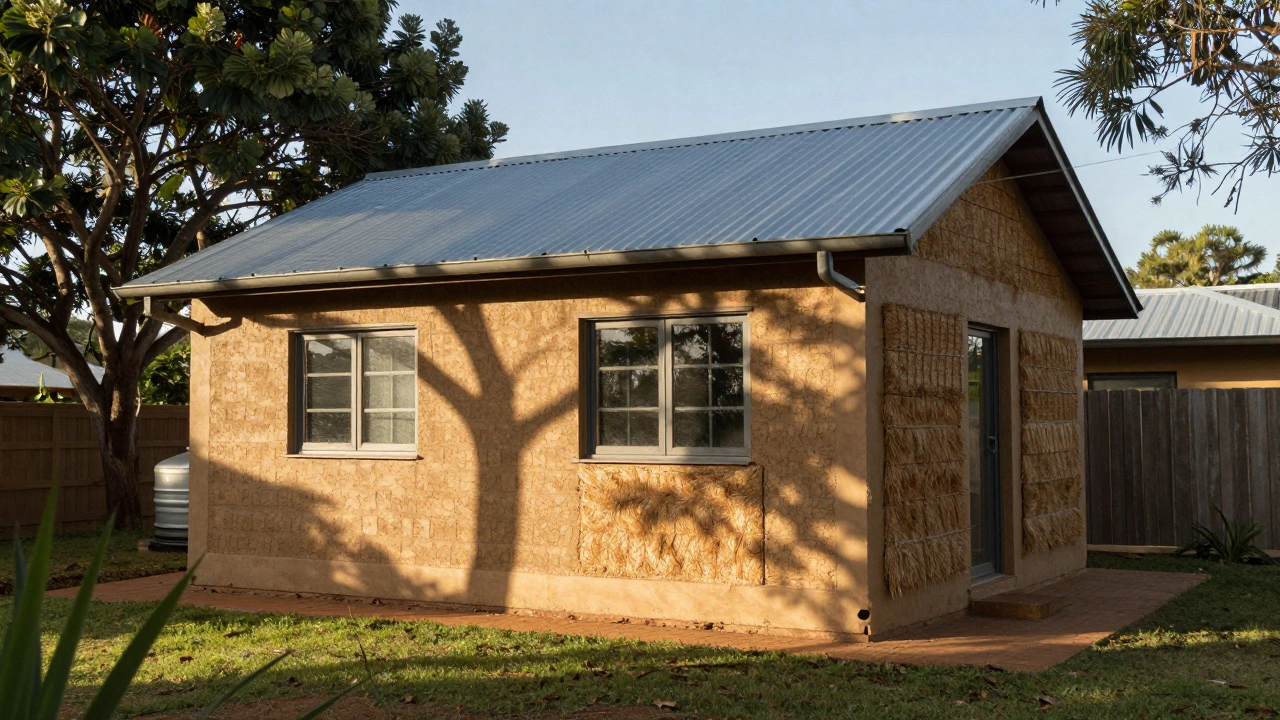
How to Build a Cheap Eco-Friendly House on a Budget
Build a cheap eco-friendly house using local materials, passive design, and simple systems like rainwater harvesting and small solar setups. Save money, cut bills, and live sustainably without debt.