Cheap Sustainable Home: Real Ways to Build an Eco-Friendly Space on a Budget
When you think of a cheap sustainable home, a living space designed to reduce environmental impact while staying affordable. Also known as eco-friendly budget home, it doesn’t mean buying expensive solar panels or bamboo flooring. It’s about making smart, small choices that add up—like reusing what you already own, choosing secondhand materials, and cutting waste at every step. Many people assume going green means breaking the bank, but that’s not true. The most sustainable homes aren’t the most expensive ones—they’re the ones that use less, reuse more, and last longer.
A sustainable living, a lifestyle focused on reducing harm to the planet through daily choices. Also known as green living, it’s not about perfection. It’s about progress. You don’t need to go zero-waste overnight. Start with one room. Swap plastic containers for glass jars you’ve saved from pasta sauce. Paint old furniture instead of buying new. Use leftover paint to refresh a closet or shelf. These aren’t fancy moves—they’re simple, cheap, and effective. And they’re exactly what the posts here cover: real people making real changes without spending thousands. The eco-friendly home, a living space built or modified to minimize energy use, waste, and toxic materials. Also known as green home, isn’t just about insulation or LED bulbs. It’s about where things come from. A thrifted rug from a local charity shop has a smaller footprint than a new one shipped from overseas. A hand-me-down bookshelf doesn’t need new wood or glue. It’s already made. And that’s the heart of a cheap sustainable home: valuing what already exists. You’ll find posts here about how to make decor unique without chasing trends, how to start a garden with just basil, how to dress like a local without buying new clothes, and how thrifting can actually be better for the planet than buying "eco" brands that still rely on fast fashion.
What You’ll Find in This Collection
This isn’t a list of dream homes with $50,000 green upgrades. It’s a collection of real, everyday actions people took to make their spaces better—without debt. You’ll learn how to stretch a paint can, repurpose old doors into shelves, grow food in pots on a balcony, and fix a leaky faucet instead of replacing the whole sink. You’ll see how one person turned a garage into a workshop using reclaimed wood, how another saved hundreds by switching to soap nuts instead of laundry detergent, and how someone reduced their energy bill by just sealing drafty windows with weather stripping. These aren’t tricks. They’re habits. And they’re all doable on a tight budget.
If you’ve ever looked at a sustainable home magazine and thought, "I could never afford that," this is for you. The truth is, most of the biggest changes cost less than a takeaway dinner. The real investment is time—not money. And that’s something anyone can give. What follows are the stories, tips, and step-by-step guides that show you exactly how to start. No fluff. No sales pitches. Just what works, right now, in a real home, with real money limits.
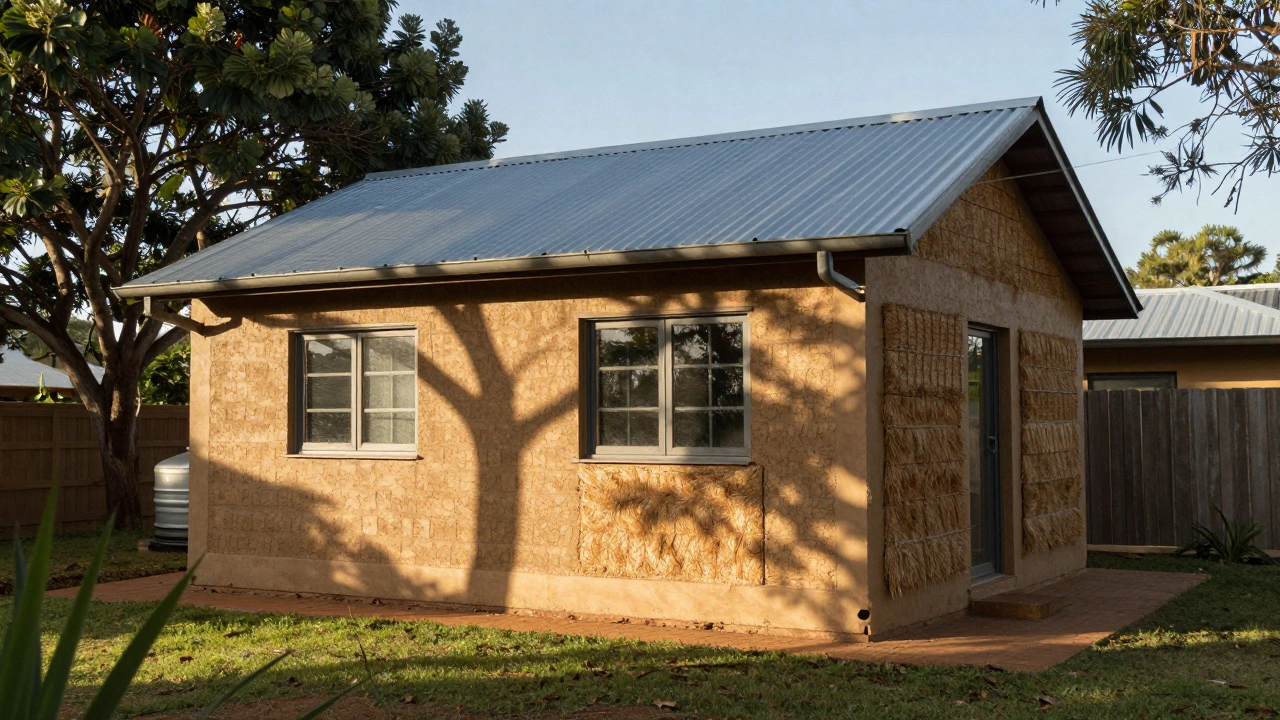
How to Build a Cheap Eco-Friendly House on a Budget
Build a cheap eco-friendly house using local materials, passive design, and simple systems like rainwater harvesting and small solar setups. Save money, cut bills, and live sustainably without debt.