Circular Economy: What It Is and How It’s Changing Everyday Life
When we talk about the circular economy, a system where resources are kept in use for as long as possible through reuse, repair, and recycling. Also known as closed-loop economy, it flips the old model of make-use-dispose on its head. This isn’t about recycling your soda can once and calling it a day—it’s about redesigning how everything from clothes to appliances is made, used, and returned to the system.
It’s closely tied to sustainable living, a lifestyle focused on reducing environmental harm through daily choices. Think buying secondhand, repairing broken items instead of tossing them, or choosing products made from recycled materials. You’ve probably seen this in action—like when a brand takes back old sneakers to turn them into new ones, or when a café gives you a discount for bringing your own cup. These aren’t just nice gestures—they’re building blocks of a circular economy. And it’s not just for eco-warriors. It’s for anyone who’s tired of buying stuff that breaks after six months and wants to save money while doing it.
Waste reduction, the practice of minimizing trash by rethinking consumption patterns is the heartbeat of this system. In a linear economy, 90% of the materials we extract become waste within six months. In a circular one, those materials stay in use. That’s why companies are now designing products to be easily taken apart, why rental services for tools and clothes are booming, and why more people are learning how to mend instead of replace. It’s not magic—it’s logic. And it’s already showing up in the products you buy, the stores you shop at, and even the way your local council collects trash.
It’s also connected to sustainable shopping, making purchasing decisions based on environmental and social impact. You might think you’re doing your part by buying a "green" product, but if it’s wrapped in plastic, shipped halfway around the world, and can’t be fixed, you’re still part of the old system. True sustainable shopping asks: Can this be reused? Repaired? Returned? Recycled? And who made it? The posts below show real examples—how people are cutting waste, choosing better brands, and turning everyday habits into actions that add up.
What you’ll find here aren’t abstract theories. These are real stories from people who’ve switched from buying new to fixing old, from tossing to trading, from guilt to action. Whether it’s how pasta meal prep reduces food waste, why people are actually buying eco-friendly products (and why some aren’t), or how mindful choices in fashion and home decor add up—this collection shows you what the circular economy looks like when it’s lived, not just labeled.
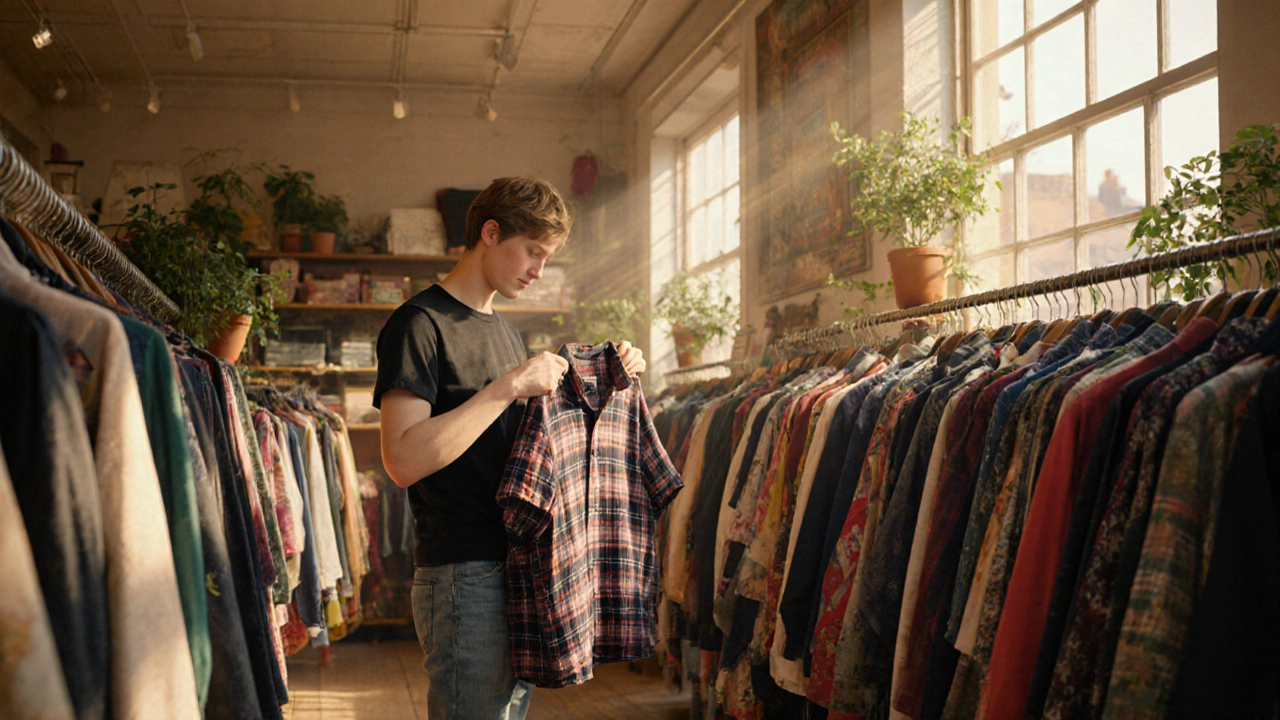
Thrifting and Sustainable Fashion: Is Buying Secondhand Really Eco‑Friendly?
Explore whether thrifting truly counts as sustainable fashion, learn the environmental pros and cons, and get practical tips to make secondhand shopping eco‑friendly.