Dark Furniture: Style, Mood, and How to Use It in Modern Homes
When you think of dark furniture, wooden pieces in deep tones like walnut, ebony, or charcoal that create a sense of weight and richness in a space. Also known as low-contrast cabinetry, it isn’t about making a room feel smaller—it’s about making it feel grounded. While white walls and light woods dominated the last decade, people are now drawn to dark furniture because it brings calm, drama, and a sense of permanence. It’s not just a trend; it’s a shift in how we want our homes to feel: more intentional, more tactile, more like a sanctuary.
Dark furniture works best when it’s balanced. Pair it with neutral tones, soft, light colors like beige, cream, or greige that let dark pieces stand out without overwhelming the space—think linen curtains, oatmeal rugs, or pale stone countertops. This contrast is what makes dark furniture pop. It’s not about going full gothic. It’s about letting a black walnut dining table become the quiet center of a bright kitchen, or letting a dark oak bookshelf anchor a sunlit living room. You don’t need to paint your whole house charcoal. One statement piece—like a velvet-embraced sideboard or a heavy teak console—can change the whole energy of a room.
It also connects to how we live now. After years of open-plan spaces that felt too airy and impersonal, people are craving texture and substance. Dark furniture adds that. It doesn’t show dust like light wood. It doesn’t look cheap under harsh LED lights. It ages beautifully, developing a patina that tells a story. And if you’ve ever walked into a room and instantly felt like you could breathe deeper? That’s often dark furniture doing its job. It doesn’t shout. It holds space.
Related to this is the rise of modern interiors, design styles that blend clean lines with warm, natural materials to create calm, uncluttered spaces. Dark furniture fits perfectly here. Think minimalist shelves with a single dark side table, or a sleek charcoal sofa against a white plaster wall. It’s not about filling a room—it’s about choosing what stays. And in a world full of noise, that’s powerful.
You’ll find plenty of real examples in the articles below—from how to layer lighting around dark pieces, to which fabrics and metals complement them best, to how people are using dark furniture in small flats and rented homes without feeling trapped. There’s no one-size-fits-all approach. But if you’ve ever looked at a photo of a room and thought, "I wish my space felt like that," chances are dark furniture is part of the answer.
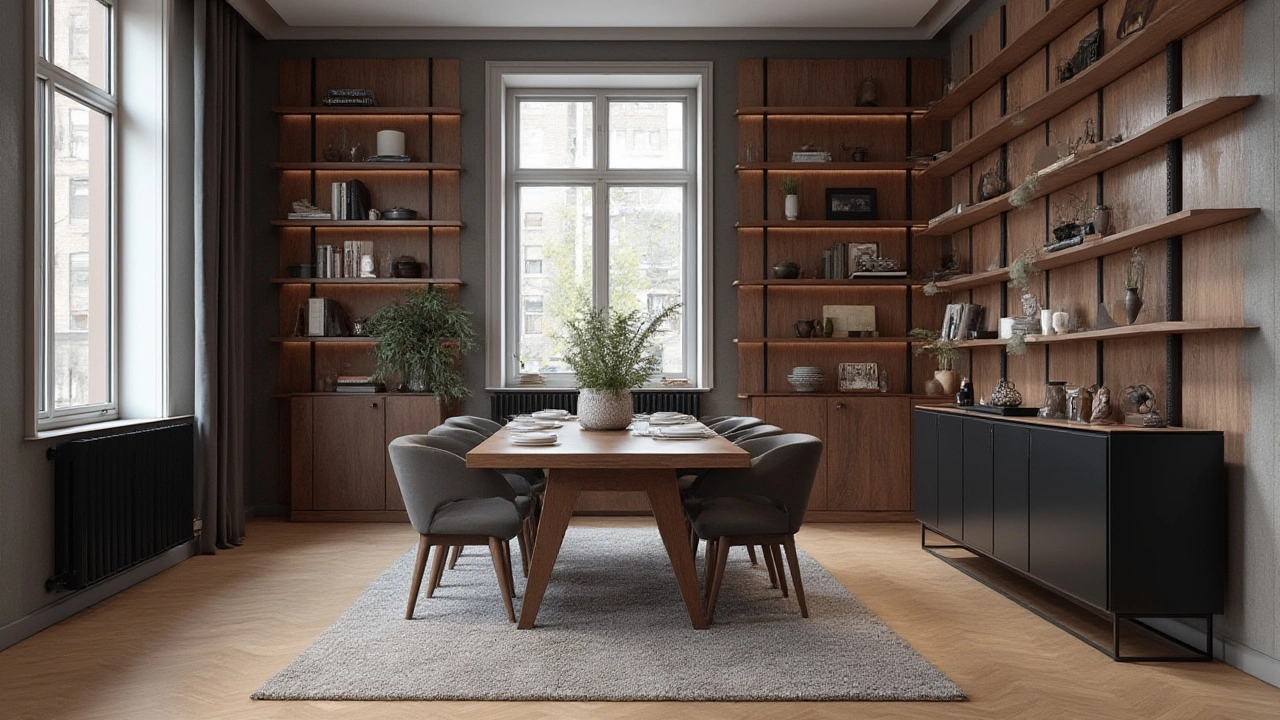
Is Dark Furniture Trending Again in 2024? Interior Design Tips & Inspirations
Dark furniture is making a big comeback in 2024. Discover why, what’s driving this trend, real-world stats, plus expert styling tips for modern homes.