Gardening After Tilling: What to Do Next for Healthy Soil and Strong Plants
When you till your garden, you’re turning over the earth—but that’s just the start. gardening after tilling, the process of preparing soil and planting after turning it over. Also known as post-till garden care, it’s where most people mess up—by rushing to plant too soon or ignoring what the soil really needs. Tilling breaks up compacted ground, mixes in old roots, and aerates the dirt. But it also shreds the tiny fungal networks and beneficial microbes that help plants thrive. If you don’t give the soil time to recover, your plants will struggle—even if you water them every day.
What happens right after tilling? The soil is exposed, dry, and lifeless. That’s why waiting 7 to 14 days makes a huge difference. During that time, moisture re-balances, microbes start rebuilding, and organic matter begins breaking down. If you added compost or manure before tilling, this is when it starts working. If you didn’t, now’s the time to spread a thin layer of finished compost or leaf mold and lightly rake it in. Don’t till again—just let nature do its job. Your soil isn’t a blank slate. It’s a living system, and composting after tilling, adding decomposed organic material to restore nutrients and structure is the quiet magic that turns dirt into garden gold.
And then there’s timing. Planting too soon after tilling means roots hit hard, clumpy soil or wet mud that doesn’t drain. If it rained recently, wait until the soil is crumbly—not sticky—when you squeeze it. The best plants to put in first? Things that don’t need perfect soil: beans, peas, radishes, and leafy greens. They’re tough, fast, and help stabilize the ground. Avoid heavy feeders like tomatoes or squash right away. Save them for later, when the soil has settled and built up nutrients again. Also, don’t forget soil preparation, the process of adjusting pH, adding organic matter, and ensuring proper drainage before planting. A simple test with a home kit (or even a vinegar-and-baking-soda trick) tells you if your soil’s too acidic or alkaline. Most veggies like it between 6.0 and 7.0. Adjust with lime or sulfur if needed, but do it before planting, not after.
What you do after tilling sets the tone for the whole season. Skip the rush. Let the soil breathe. Feed it gently. Then plant with confidence. Below, you’ll find real advice from people who’ve been there—how to pick the right crops, how to avoid overworking the ground, and what most gardeners get wrong in the first week after tilling. No fluff. Just what works.
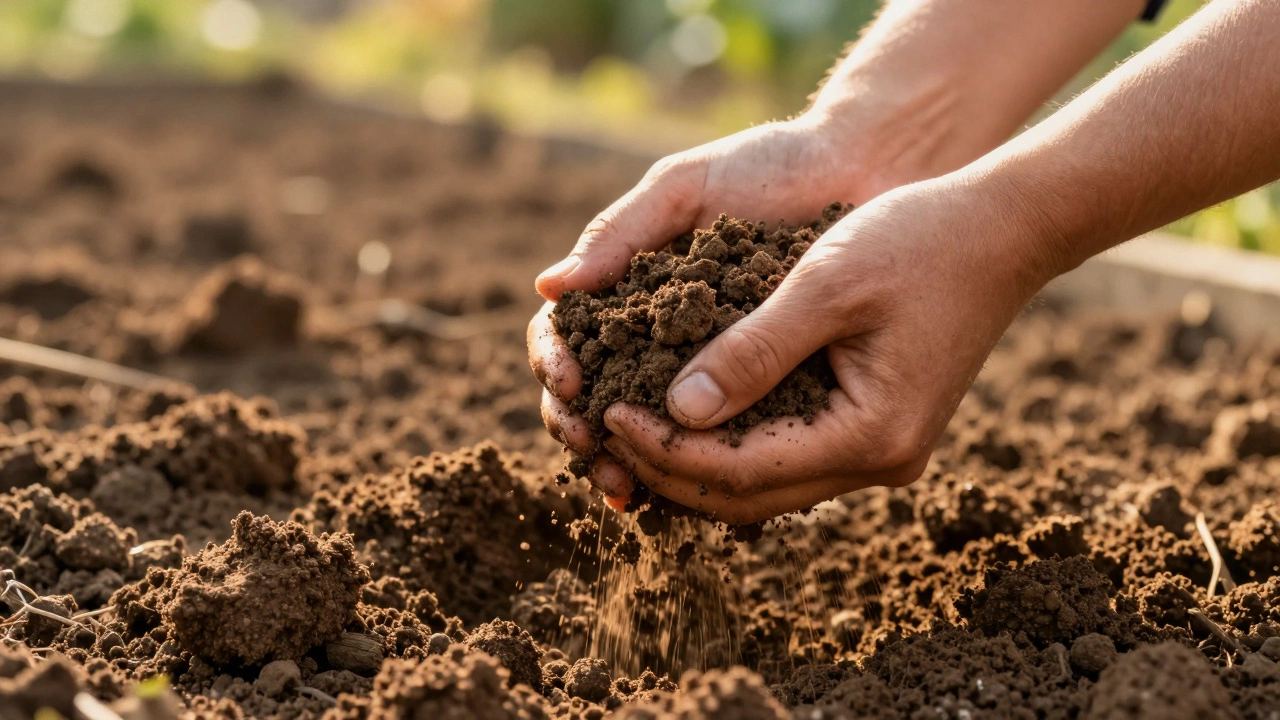
How Long After Tilling Can You Plant? Wait Times for Healthy Soil and Strong Roots
Learn how long to wait after tilling your garden before planting. Avoid common mistakes, understand soil readiness, and get the best results with simple, proven timing tips.