Makeup for Sensitive Skin: What Works, What Doesn’t, and How to Choose
When you have makeup for sensitive skin, cosmetics formulated to reduce irritation and avoid common triggers like fragrances, dyes, and harsh preservatives. Also known as hypoallergenic makeup, it’s not just a marketing label—it’s a necessity for anyone who gets redness, itching, or breakouts after applying regular products. Too many people assume "sensitive skin" just means dryness or occasional flare-ups. But for many, it’s a daily battle with foundation that stings, mascara that burns the eyes, or blush that turns cheeks into a rash. The truth? Most mainstream makeup isn’t designed for this. It’s made for mass appeal, not skin health.
You can’t just pick anything labeled "gentle." The real problem? Terms like "dermatologist-tested" or "for sensitive skin" aren’t regulated. A product can say that and still contain alcohol, essential oils, or synthetic fragrances that wreck your barrier. What actually helps? Look for hypoallergenic makeup, products tested to minimize allergic reactions by removing common irritants. Also known as fragrance-free cosmetics, these avoid added scents entirely—not just "natural" ones like lavender or tea tree, which can be just as irritating. Then there’s non-comedogenic foundation, formulas that won’t clog pores and trigger acne or inflammation. This matters because sensitive skin often overlaps with acne-prone or oily skin, and many "gentle" products still contain heavy oils or waxes that block pores. You need both: something that doesn’t irritate and something that won’t clog. And forget the idea that you need heavy coverage. Light, mineral-based formulas often work better than thick, full-coverage ones loaded with preservatives.
What you skip matters more than what you buy. Avoid anything with alcohol denat, parabens, phthalates, or synthetic dyes like FD&C colors. Stick to brands that list every ingredient clearly and avoid vague terms like "fragrance" or "natural flavors." Brands that specialize in sensitive skin—like those used by dermatologists in clinics—tend to be more reliable than big-name beauty labels. And always patch test. Even if it’s labeled safe, your skin is unique. Apply a small amount behind your ear or on your jawline for 48 hours before slathering it on your face.
What you’ll find in the articles below are real, tested approaches—not fluff. From the best foundations that stay put without burning to the simple routines that calm redness without extra steps, these posts cut through the noise. No gimmicks. No influencers pushing expensive kits. Just what actually works for skin that reacts easily, and how to make it part of your daily life without stress.
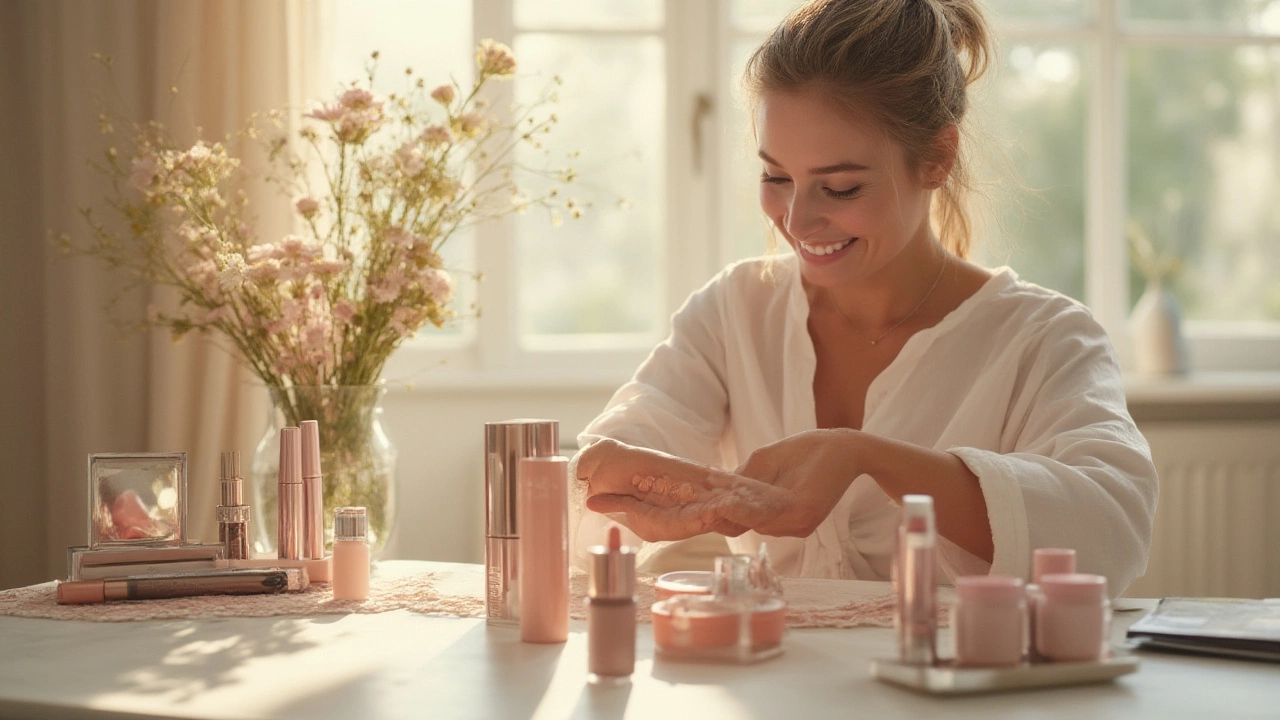
Best Makeup Brands for Skin: Your Guide to Safe and Glowing Beauty Products
Wondering which makeup brands keep your skin happy? Dive into the top-tested picks, smart tips, and skin-safe formulas, so you don’t have to guess.