Makeup Shopping: What Works, What’s Waste, and How to Buy Smarter
When you walk into a makeup aisle, you’re not just choosing a lipstick—you’re picking a makeup shopping, the act of selecting cosmetic products based on personal needs, skin type, and values like sustainability or ingredient safety. Also known as beauty purchasing, it’s become a daily decision for millions, shaped by trends, ads, and the pressure to look a certain way. But here’s the truth: most people buy too much, use too little, and end up with drawers full of expired products that never delivered what they promised.
Behind every makeup purchase is a hidden chain of choices. You’re not just buying color—you’re buying clean beauty, formulas free from harmful chemicals like parabens, phthalates, and synthetic fragrances, or maybe you’re chasing skincare makeup, products that claim to nourish skin while covering it, blending cosmetics with topical treatments. Some look for budget makeup, affordable options that don’t sacrifice performance. Others care about makeup ingredients, what’s actually in the tube—whether it’s hyaluronic acid, niacinamide, or something you can’t pronounce. These aren’t just buzzwords. They’re real filters that change what ends up on your face.
Look at the posts here. You’ll find guides on how to pick products that actually help your skin, not just cover it up. You’ll see what’s behind the green labels and why "eco-friendly" doesn’t always mean what you think. You’ll learn how to spot the difference between a product that works and one that’s just packaged to look like it does. This isn’t about buying more. It’s about buying better. Whether you’re starting from zero or just tired of wasting money, the right choices are out there—no fancy routines, no influencers telling you what to do. Just clear, real advice on what to reach for, what to leave on the shelf, and why.
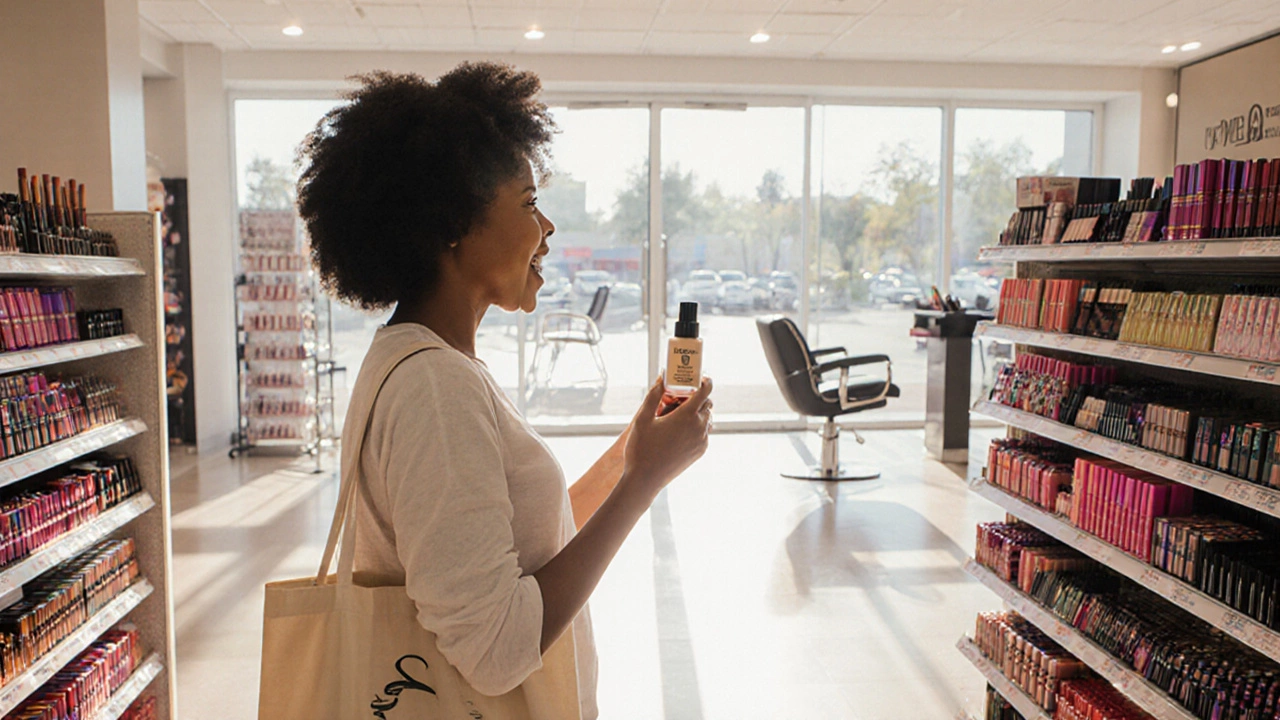
Ulta vs Sephora Makeup: Which Retailer Wins?
Compare Ulta Beauty and Sephora on price, brands, loyalty, store vibe, online tools, and returns to decide which makeup retailer fits your style and budget.