Never Declutter Checklist
This tool helps you determine if an item should be kept during decluttering. Based on expert advice, some items hold value that goes beyond their physical presence.
Most people think decluttering is just about tossing stuff. But the real trick isn’t getting rid of things-it’s knowing what to keep. I’ve seen people clear out their homes, only to feel emptier, not lighter. They threw away the wrong things. And now they’re stuck buying them back-or living with regret.
Don’t toss family heirlooms just because they’re old
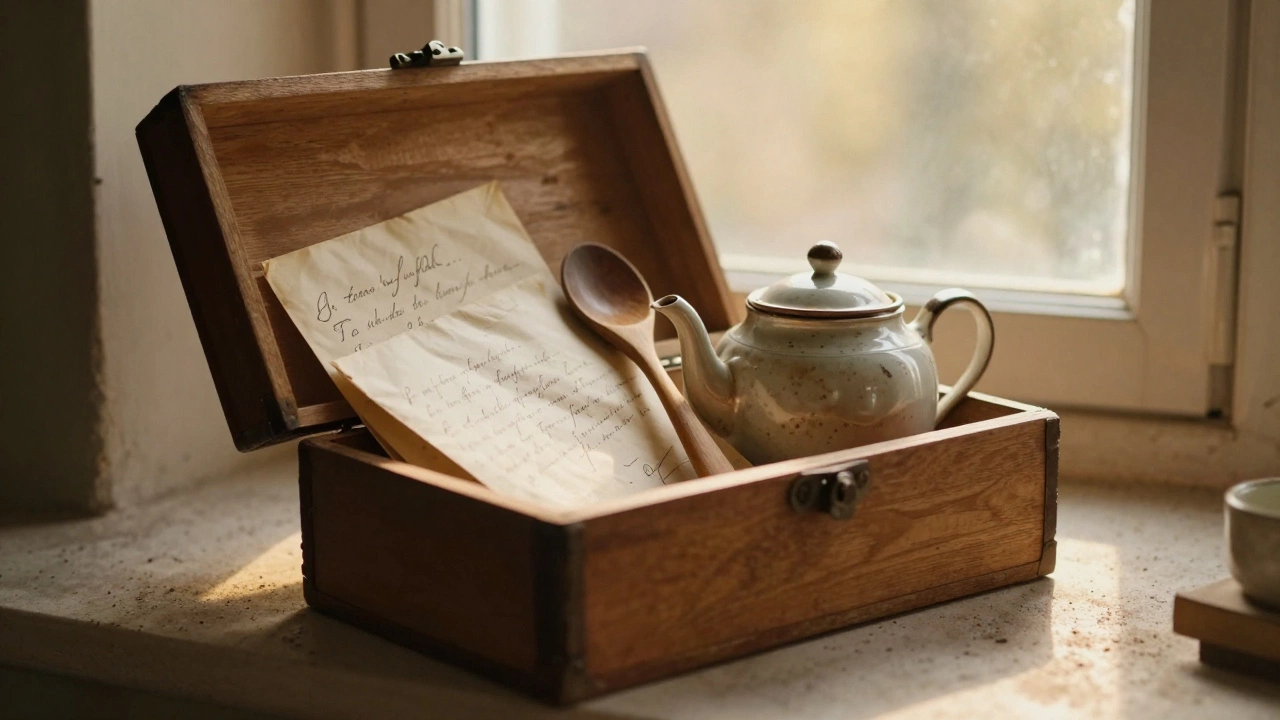
That chipped teapot your grandmother used every Sunday? The wooden spoon your grandfather carved? The handwritten letter tucked in a book from 1942? These aren’t clutter. They’re history you can hold. People often think, "No one uses this anymore," but that’s not the point. These objects carry stories. They connect you to people who shaped you. You don’t need to display them. Just keep them in a box, labeled simply: "Mom’s tea set," "Grandpa’s tools." When your kids ask about their roots, you’ll be glad you didn’t toss them with the junk mail.Keep tools you haven’t used in years
That drill you bought for one project? The sewing machine from your college days? The ladder you used once to hang Christmas lights? Don’t let guilt trick you into throwing them out. Tools don’t need to be used daily to be valuable. In Durban, where storms roll in fast and pipes burst without warning, having a basic toolkit isn’t about hobbies-it’s about survival. You don’t need every gadget. But if you’ve used it even once in the last five years, keep it. Store it neatly. Label it. You’ll thank yourself when the roof leaks or the fridge stops cooling.Don’t get rid of your child’s artwork
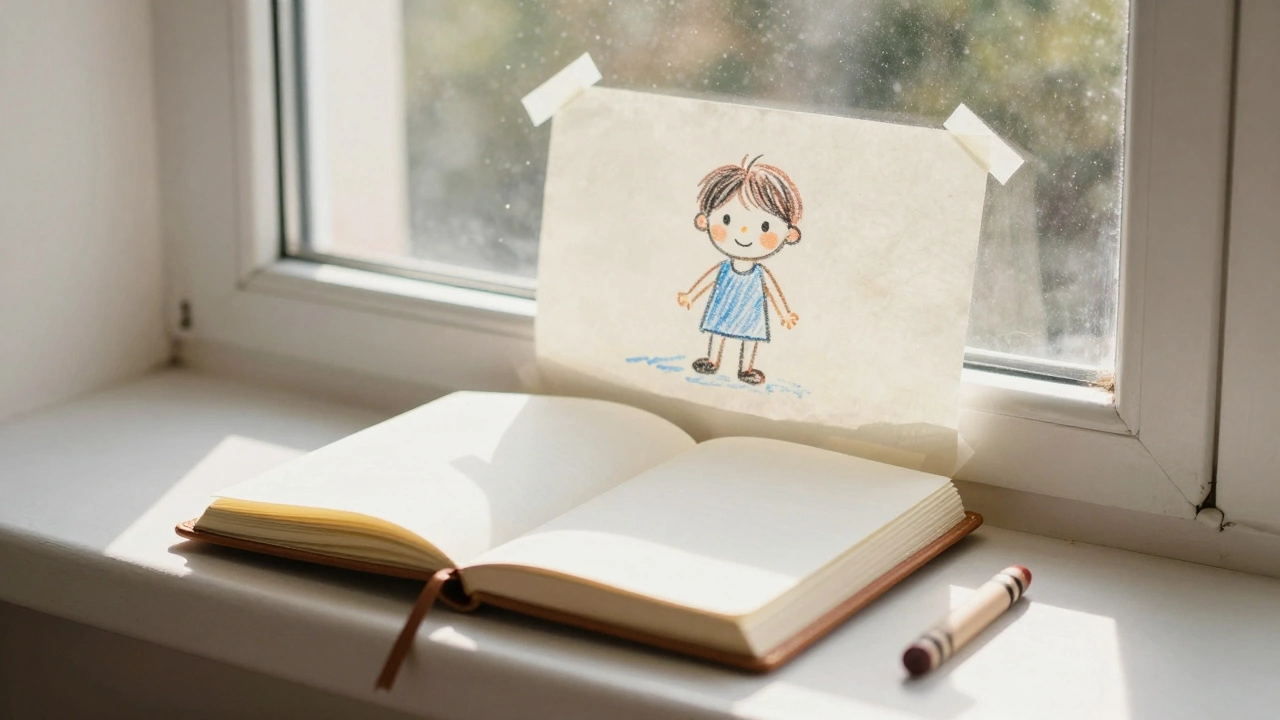
I know it’s messy. The fridge is covered in crayon monsters and glitter-covered cards. But here’s the truth: your kids won’t remember the clean fridge. They’ll remember the feeling of being seen. That scribbled drawing of a family with six arms? That’s their first attempt at saying, "This is us." Save a few pieces. Not all. Pick one from each year. Put them in a folder labeled with the year and their age. When they’re 18, give them the box. They’ll cry. And you’ll know you did something right.Hold onto medical records and prescriptions
You’ve got a drawer full of old pill bottles, hospital discharge papers, and lab results from five years ago. You think, "I don’t need this anymore." But you do. Doctors ask for past records all the time. Allergies change. Conditions reappear. If you’ve ever had a serious illness, a surgery, or even a bad reaction to medication, keep those papers. Digitize them if you want-scan them into a folder labeled "Medical History"-but don’t toss the originals until you’re sure you won’t need them. Insurance claims, new doctors, even travel visas sometimes ask for this stuff. Don’t gamble with your health history.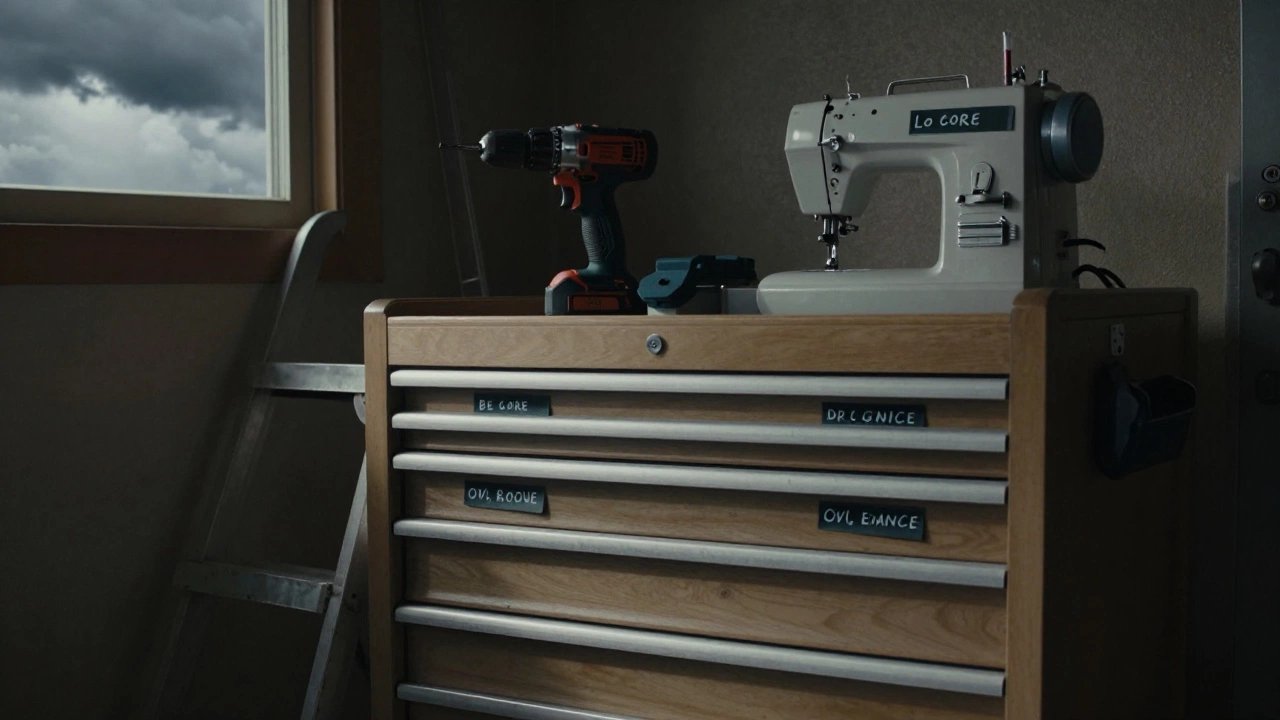
Never throw away manuals and warranties
The instruction booklet for your washing machine? The warranty card for your air conditioner? The receipt for your fridge? Keep them. For at least five years. That’s how long most appliances last before they need repairs. If your oven stops working and you don’t have the manual, you’ll spend hours online trying to figure out what the error code means. If your warranty is still active and you don’t have the proof, you’ll pay hundreds for a repair you could’ve had free. Store these in a single folder. Label it "Appliance Docs." Update it yearly. When you replace something, transfer the docs to the new item. Simple.Don’t purge sentimental gifts
That ugly sweater your aunt gave you? The candle that smells like "ocean breeze" but actually smells like plastic? The handmade pottery from your friend’s art show? These aren’t clutter-they’re love in physical form. If someone put thought into giving it to you, tossing it feels like rejecting them. You don’t have to use it. You don’t have to display it. But if it came from someone who cares, keep it. Put it in a drawer. Out of sight. But not out of mind. You can always donate it later-when you’re ready, and when you know you won’t miss the person who gave it.Keep backup copies of important digital files
You’ve got your photos, tax records, and contracts saved on your phone or laptop. But what if your device dies? What if your cloud storage gets hacked? What if you forget your password? Don’t rely on one place. Print out your will, your passport info, your insurance details. Store them in a fireproof box. Keep a USB drive with your most important files in a different location-maybe with a trusted friend. Digital files disappear faster than paper. Paper lasts. And when you need it most, you won’t be begging for a backup.