Slow Fashion: What It Really Means and Why It Matters
When you hear slow fashion, a movement that values quality, ethics, and longevity over fast production and disposable trends. Also known as ethical fashion, it’s the quiet rebellion against the endless cycle of cheap clothes that fall apart after a few washes. This isn’t about being perfect—it’s about being intentional. It’s asking: Who made this? How long will it last? And what happens when I’m done with it?
Real sustainable fashion, clothing made with care for people and the environment, from fabric to factory doesn’t mean buying only organic cotton or paying $200 for a shirt. It means choosing pieces you’ll wear for years, repairing them when they fray, and giving old clothes new life. That’s where secondhand clothing, buying pre-loved garments to keep them out of landfills and reduce demand for new production comes in. Thrifting isn’t just trendy—it’s one of the most direct ways to break free from fast fashion’s grip. And when you do buy new, looking for brands that trace their supply chain, pay fair wages, and use low-impact dyes makes a real difference.
The circular economy, a system where materials are reused, recycled, or returned to nature instead of thrown away is the backbone of slow fashion. It’s not just about recycling polyester into new fabric—it’s about designing clothes that can be taken apart, repaired, and remade. Most fast fashion items can’t even be recycled because they’re made from mixed fibers glued together. That’s why durability matters more than ever.
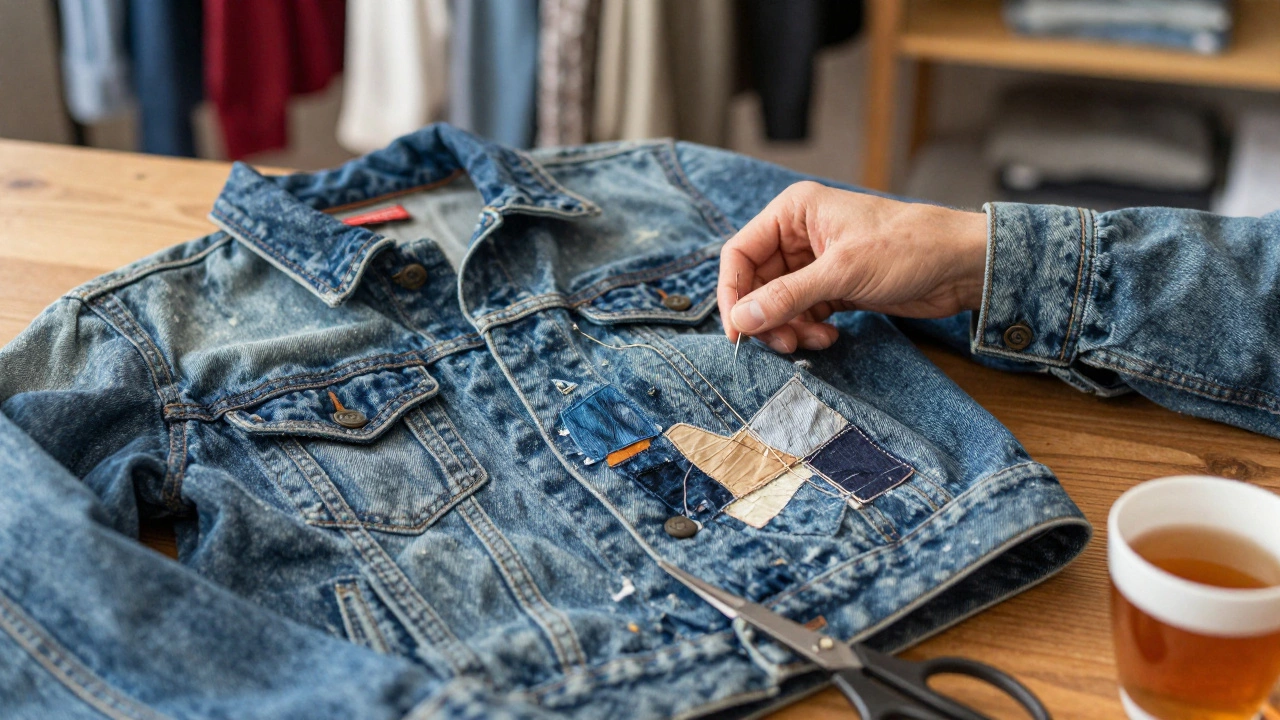
You don’t need a closet full of linen dresses or hand-stitched jeans to join this shift. Start by wearing what you already own longer. Mend a button. Swap clothes with a friend. Buy one well-made item this season instead of five cheap ones. These aren’t grand gestures—they’re daily choices that add up. The posts below show real examples: how thrifting works in practice, what makes a garment truly eco-friendly, and why buying less can actually make you feel more put together. No guilt. No perfection. Just smarter, simpler ways to dress.
What Is a Simple Definition of Sustainable Fashion?
Sustainable fashion means making clothes that are good for people and the planet-from fair labor to eco-friendly materials. It’s not just organic cotton; it’s about durability, transparency, and reducing waste at every step.

What is the 30 Wear Rule? Ultimate Guide to Sustainable Fashion Choices
Ever wondered how the 30 wear rule can transform your shopping habits? Discover what it is, how it works, and why it could be your game-changer for a more sustainable closet.