Therapy Tools: Practical Ways to Support Mental Well-Being Daily
When we talk about therapy tools, practical techniques used to manage emotions, reduce stress, and build mental resilience. Also known as mental health tools, they’re not just for people in counseling—they’re everyday skills anyone can learn and use to feel more in control of their mind. You don’t need a license or a couch to start using them. These tools are about small, repeatable actions that add up: breathing when you’re overwhelmed, writing down what’s bothering you, or pausing before reacting to stress. They’re not magic, but they’re real—and they work.
Many of the posts here focus on how mindfulness practices, paying attention to the present moment without judgment. Also known as awareness in motion, it’s one of the most accessible therapy tools out there tie into daily life. Think mindful walking, noticing your breath while waiting in line, or eating without scrolling. These aren’t fancy rituals—they’re quiet moments of reconnection. And they’re backed by research showing they lower cortisol, quiet racing thoughts, and help you respond instead of react. Then there’s emotional regulation, the ability to manage how you respond to strong feelings like anger, sadness, or anxiety. Also known as self-soothing strategies, it’s what helps you stay calm when your partner forgets to take out the trash or your inbox explodes at 8 p.m. It’s not about suppressing emotion. It’s about recognizing it, naming it, and choosing how to move forward. That’s where tools like journaling, the 10-10 rule for minimalism, or even a 7-day skincare routine come in—they create space between stimulus and response.
What you’ll find here isn’t a list of abstract theories. It’s a collection of tools people actually use. From how mindful exercise helps reset your nervous system to how meal prep gives you back control when life feels chaotic, these posts show you how mental well-being fits into real life—not in a spa, but in your kitchen, your commute, your workday. You’ll see how tools like the three C’s of mindfulness—Curiosity, Compassion, Calm—show up in simple habits. You’ll learn how fixing your sleep, eating for brain fog, or even choosing the right paint color can be part of healing. This isn’t about fixing yourself. It’s about giving yourself the right tools to stop fighting your own mind.
These aren’t quick fixes. They’re quiet rebuilds. And if you’ve ever felt like you’re just surviving, not living, this collection is your starting point.
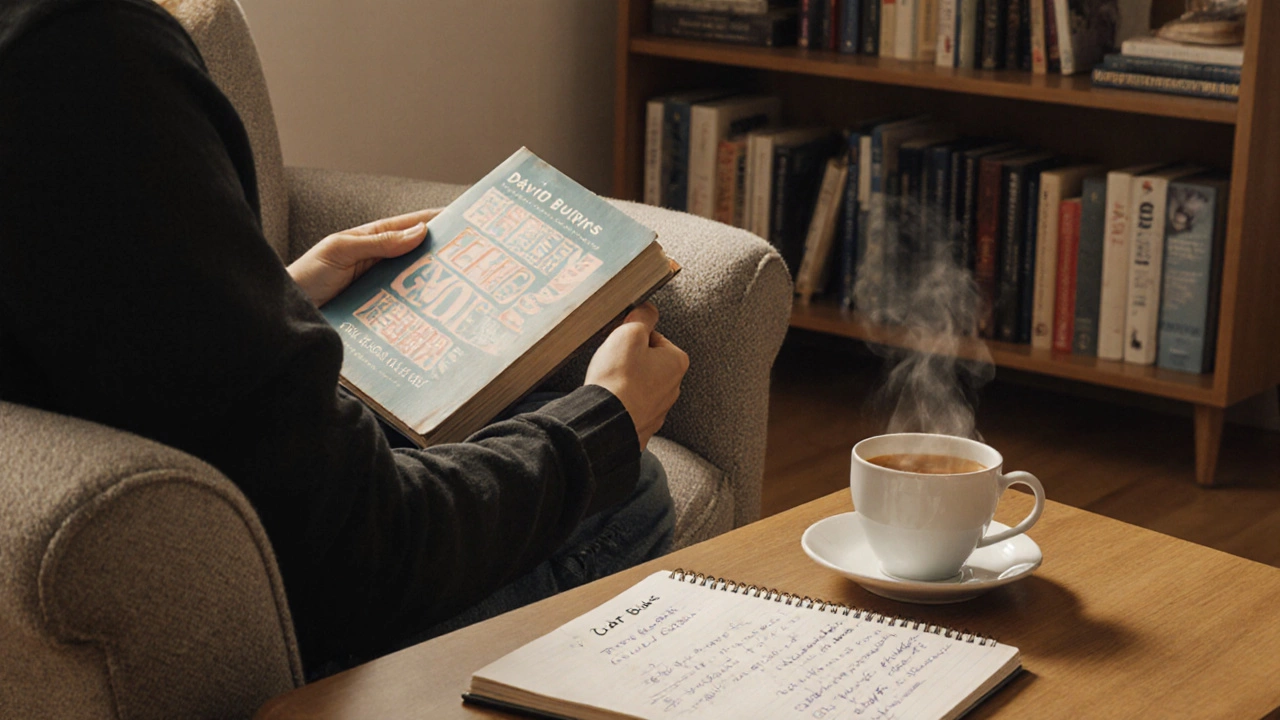
Do Therapists Recommend Self-Help Books? What the Experts Actually Say
Therapists do recommend self-help books-but only if they're evidence-based, practical, and written by qualified professionals. Here’s what works, what doesn’t, and how to choose the right ones.