When to Plant After Tilling
When you till your garden, you’re turning over the soil to loosen it, mix in compost, and break up compaction—but that doesn’t mean you can plant right away. Soil preparation, the process of getting garden soil ready for planting after disturbance. Also known as soil conditioning, it’s not just about digging—it’s about giving the soil time to settle and rebalance after being turned up. Tilling wakes up dormant weed seeds, disrupts beneficial fungi, and can dry out the top layer. If you drop seeds or seedlings into freshly tilled ground too soon, you’re setting them up for stress, poor root contact, and uneven growth.
Most experts agree you should wait at least 7 to 14 days after tilling before planting. This gives time for the soil to settle, moisture to redistribute, and any added organic matter—like compost or manure—to start breaking down. If you’ve added fresh manure or raw compost, wait even longer—up to 4 weeks—to avoid burning roots or attracting pests. Soil temperature, the measure of heat in the ground that affects seed germination and root development. Also known as ground temperature, it’s the silent gatekeeper for planting success. Cold, wet soil after tilling can rot seeds. Hot, dry soil can scorch tender roots. Use your hand: if the soil feels cool and crumbly—not muddy or dusty—you’re ready. For cool-season crops like lettuce or peas, plant when soil hits 40°F. For tomatoes or peppers, wait until it’s steady at 60°F or above.
Planting schedule, the timing of when to sow or transplant crops based on season, soil readiness, and local climate. Also known as garden calendar, it’s not just about dates—it’s about conditions. In the UK, spring tilling often happens in late March or April, depending on frost. If you tilled early to kill weeds, wait for the soil to dry out and for the weather to stabilize. Summer tilling? Usually for crop rotation or fall planting—give it 10 days before sowing kale, carrots, or garlic. Fall tilling right after harvest? Perfect, but hold off planting until early spring unless you’re using cover crops to protect the soil over winter.
Don’t forget the little things. After tilling, rake the surface smooth. Test your soil’s moisture by squeezing a handful—if it forms a ball that crumbles when you poke it, it’s ready. If it sticks together like clay, wait. If it’s powdery, water lightly and wait a day. Garden soil health, the overall condition of soil that supports plant growth through structure, biology, and nutrient balance. Also known as soil vitality, it’s what turns a tilled patch into a thriving garden. Healthy soil doesn’t just feed plants—it holds water, resists erosion, and supports microbes that fight disease. Rushing to plant after tilling breaks that balance. Waiting a little pays off in stronger roots, fewer weeds, and better yields.
Below, you’ll find real advice from gardeners who’ve been there—what to plant first after tilling, how to tell if your soil’s truly ready, and what mistakes to avoid. No fluff. Just what works in UK conditions, backed by experience, not theory.
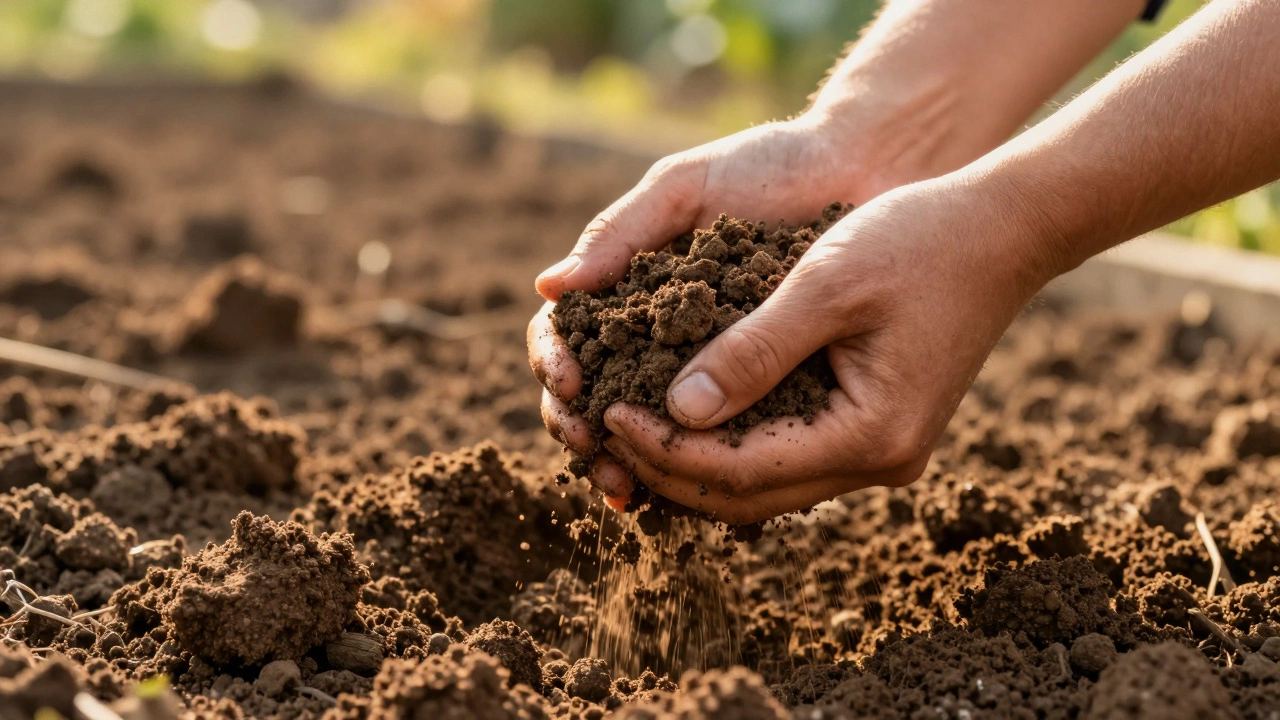
How Long After Tilling Can You Plant? Wait Times for Healthy Soil and Strong Roots
Learn how long to wait after tilling your garden before planting. Avoid common mistakes, understand soil readiness, and get the best results with simple, proven timing tips.