Plant Health & Requirements Checklist
Check Your Plant's Environment
Health Score
Ever stared at a wilting houseplant or a patch of yellowing grass and wondered what you did wrong? You probably watered it. You probably even gave it sunlight. But plants are picky eaters with specific demands that go far beyond just "water and sun." If you want your garden to thrive instead of just survive, you need to understand the biology behind the leaves.
It’s not magic; it’s science. Every green thing on this planet relies on a precise combination of physical elements, chemical inputs, and environmental conditions. Miss one key ingredient, and the whole system stalls. Whether you’re growing tomatoes in Durban or succulents in a high-rise apartment, these ten non-negotiables are the foundation of healthy plant life.
The Foundation: Light and Energy
Light is the primary energy source for all photosynthetic organisms. Without it, plants cannot convert carbon dioxide and water into glucose, the sugar they use for fuel. It’s the engine of the entire process.
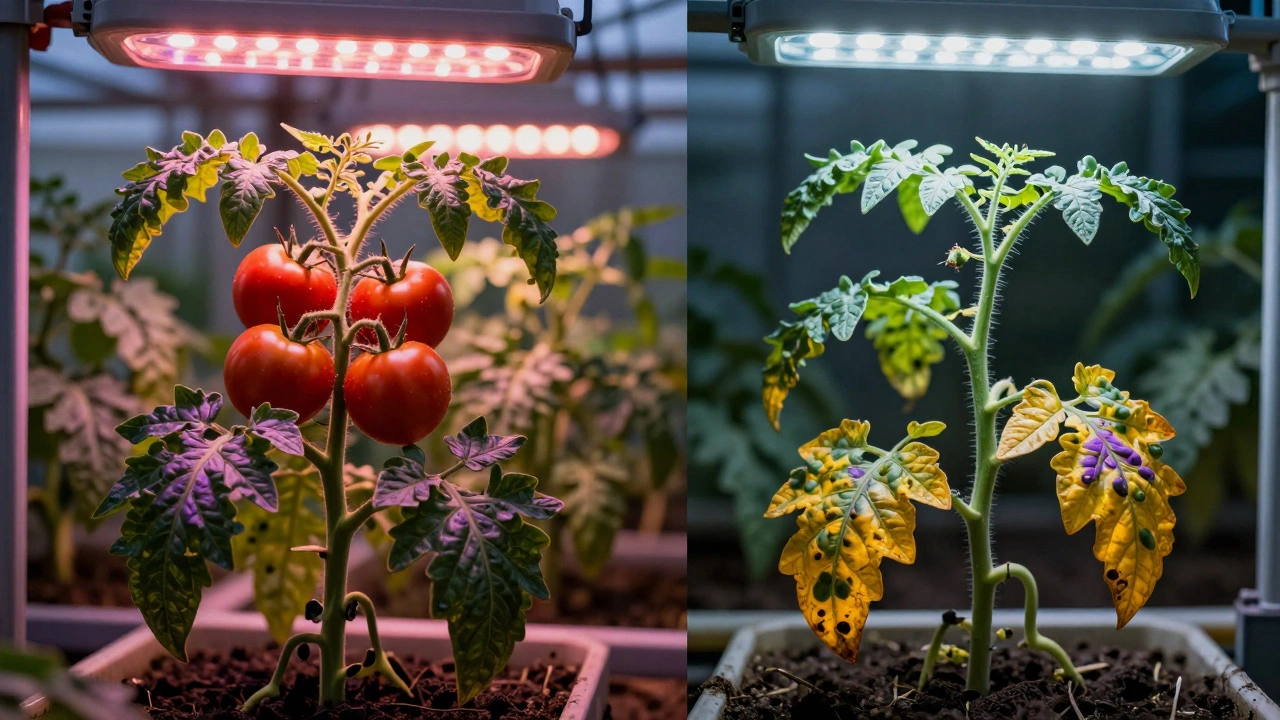
But not all light is created equal. Plants don’t just need brightness; they need specific wavelengths. The blue spectrum (around 450 nm) drives vegetative growth, keeping stems sturdy and leaves compact. The red spectrum (around 660 nm) triggers flowering and fruiting. If you’re growing indoors, standard LED bulbs often lack the right intensity or spectrum. You might notice leggy, stretched-out plants reaching desperately for more photons. That’s etiolation, and it’s a clear sign of insufficient light quality or quantity.
- Duration: Most plants need 6-8 hours of direct light daily. Leafy greens can manage with less, while fruiting plants like peppers demand more.
- Intensity: Measured in lux or PPFD (Photosynthetic Photon Flux Density). A sunny windowsill provides roughly 10,000-20,000 lux, which is ideal for many houseplants.
- Quality: Full-spectrum grow lights mimic natural sunlight, providing the necessary red and blue peaks for complete development.
The Breath of Life: Carbon Dioxide and Air
We exhale what plants inhale. Carbon Dioxide (CO₂) is a critical raw material for photosynthesis. In the atmosphere, CO₂ levels hover around 0.04% (400 ppm). While this seems low, it’s usually sufficient for outdoor gardens. However, in sealed indoor environments or dense greenhouse setups, CO₂ can become depleted, slowing growth significantly.
Air circulation is just as vital as the gas itself. Stagnant air creates microclimates where humidity spikes, inviting fungal diseases like powdery mildew. Good airflow also helps regulate transpiration-the process by which plants release water vapor through their stomata (tiny pores on leaves). If the air is too still, those pores stay closed, choking off nutrient uptake.
The Fuel Source: Water
Water is the solvent that transports nutrients from the soil to the rest of the plant. It makes up 90% of a plant’s weight in many cases. But here’s the trap: most people overwater. They see dry soil and pour a cup of water, ignoring drainage.
Water needs to be available but not stagnant. Roots need oxygen too. When soil stays soggy, air pockets fill with water, suffocating the roots and leading to root rot. The type of water matters as well. Tap water in many cities contains chlorine and chloramines, which can harm beneficial soil microbes and cause leaf tip burn in sensitive plants like spider plants. Letting tap water sit for 24 hours allows chlorine to evaporate, though chloramines require filtration.
| Water Type | pH Range | Key Risks | Best For |
|---|---|---|---|
| Rainwater | 5.5 - 6.5 | Minimal contaminants | All plants, especially acid-lovers |
| Filtered Tap | 6.5 - 7.5 | Low mineral buildup | Houseplants, vegetables |
| Unfiltered Tap | 7.0 - 8.0 | Chlorine, salts, heavy metals | Hardy ornamentals only |
| Distilled | ~7.0 | No minerals, acidic drift | Sensitive carnivorous plants |
The Anchor: Soil and Medium
Soil is more than just dirt; it is a living ecosystem of particles, organic matter, and microbes. The texture determines drainage and aeration. Sandy soil drains fast but holds few nutrients. Clay holds water and nutrients but suffocates roots. Loam, a mix of sand, silt, and clay, is the gold standard.
For container gardening, potting mix is essential. It’s engineered to stay loose and aerated. Never use garden soil in pots-it compacts into concrete when wet. The structure of the medium supports the root system physically while providing a reservoir for moisture and nutrients. Organic components like peat moss, coco coir, or compost improve water retention and cation exchange capacity (CEC), allowing the soil to hold onto positive nutrient ions like calcium and magnesium.
The Building Blocks: Primary Nutrients (NPK)
You’ve seen the numbers on fertilizer bags: 10-10-10 or 5-10-5. These represent Nitrogen (N), Phosphorus (P), and Potassium (K), the three macronutrients required in large quantities for plant structure and function.
- Nitrogen: The driver of leafy green growth. It’s a key component of chlorophyll. Deficiency shows as pale, yellowing older leaves. Too much nitrogen leads to lush foliage but no flowers or fruit.
- Phosphorus: Critical for root development, energy transfer (ATP), and blooming. Look for stunted growth or purple hues on leaves if phosphorus is lacking.
- Potassium: Regulates water uptake and enzyme activation. It strengthens cell walls, improving disease resistance. Deficiency appears as brown spots on leaf edges.
The Fine Tuners: Secondary Nutrients and Micronutrients
Beyond NPK, plants need secondary nutrients like Calcium, Magnesium, and Sulfur, along with micronutrients such as iron, zinc, copper, and manganese. Though needed in tiny amounts, their absence causes specific disorders.
Calcium, for instance, is vital for cell wall stability. A classic example is blossom end rot in tomatoes, caused not by lack of calcium in the soil, but by inconsistent watering preventing its uptake. Magnesium is the central atom in the chlorophyll molecule. Without it, plants literally cannot photosynthesize efficiently, leading to interveinal chlorosis (yellowing between green veins).
The Environment: Temperature and Humidity
Temperature dictates the rate of metabolic processes within the plant. Each species has an optimal range. Tropical plants like orchids thrive at 18-27°C (65-80°F), while cool-season crops like lettuce prefer 10-18°C (50-65°F). Extreme heat denatures enzymes, stopping growth. Freezing temperatures burst cells, causing irreversible damage.
Humidity works in tandem with temperature. High humidity reduces transpiration stress, which is great for ferns and calatheas. Low humidity causes leaf tips to crisp, common in arid climates or heated homes during winter. Finding the balance prevents both mold issues and desiccation.
The Invisible Force: pH Balance
Soil pH controls the availability of nutrients to plant roots. Even if your soil is rich in nutrients, the wrong pH locks them away. Most plants prefer a slightly acidic pH of 6.0 to 7.0. In highly alkaline soils (above 7.5), iron becomes unavailable, causing new leaves to turn yellow while veins remain green. In very acidic soils (below 5.5), aluminum and manganese can become toxic.
Testing your soil pH is cheap and easy. Adjustments are slow: lime raises pH, sulfur lowers it. Don’t guess-test first.
The Support System: Space and Structure
Physical Space is often overlooked but crucial for reducing competition and disease spread. Crowded plants compete for light, water, and nutrients. They also create dense canopies that trap moisture, breeding ground for pests and pathogens.
Proper spacing ensures adequate air circulation and light penetration to lower leaves. Some plants, like beans or cucumbers, also need structural support (trellises, cages) to grow vertically. This isn’t just about saving space; it keeps fruit off the damp soil, reducing rot and pest access.
The Hidden Network: Root Zone Health
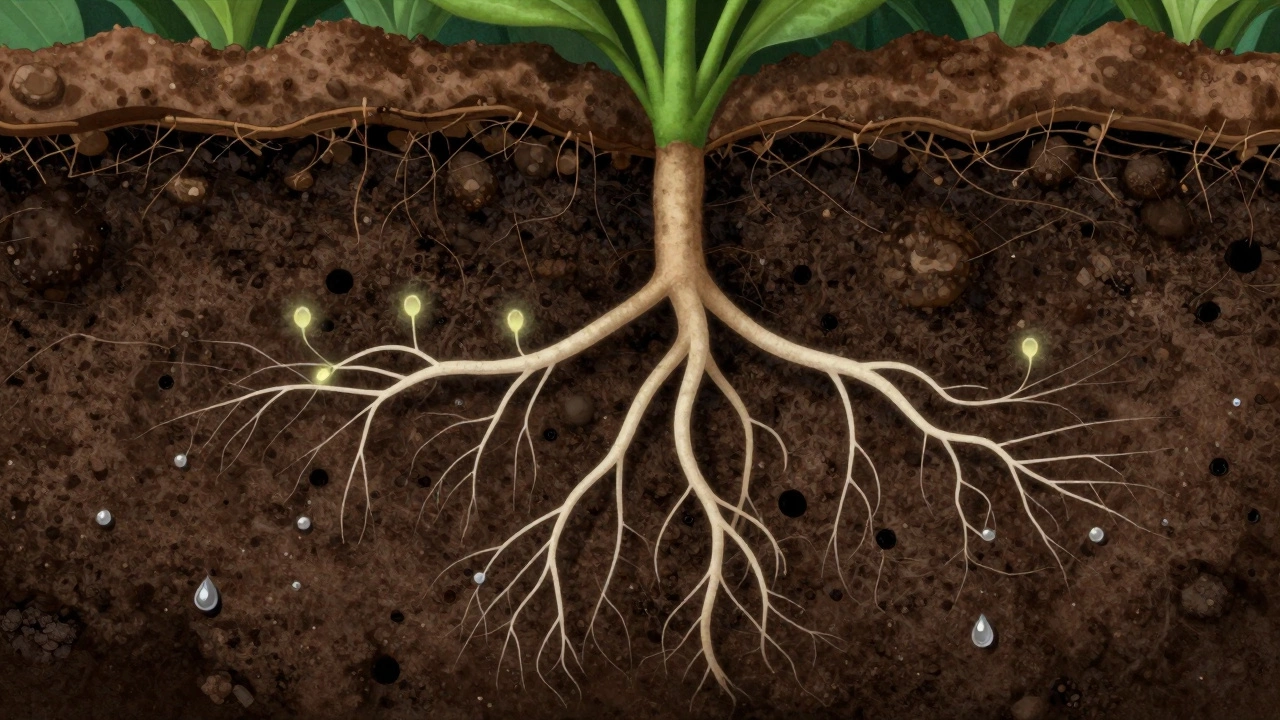
Finally, Root Health depends on aerated soil, beneficial microbes, and freedom from physical restriction. Roots explore the soil volume. In containers, they eventually circle the pot (root binding), starving themselves. Repotting every 1-2 years gives them fresh territory. Beneficial fungi like mycorrhizae extend the root system’s reach, helping absorb water and phosphorus. Protecting this underground network is as important as caring for the visible plant.
Can plants grow without soil?
Yes. Hydroponics and aeroponics grow plants in water or mist, delivering nutrients directly to roots. The key is replacing soil’s role with a controlled nutrient solution and ensuring ample oxygen reaches the roots to prevent rot.
How do I know if my plant has enough nitrogen?
Look for dark green, vigorous leaf growth. If older leaves turn pale yellow and growth slows, nitrogen is likely deficient. Avoid over-fertilizing, as excess nitrogen leads to weak stems and poor flowering.
Is tap water safe for all plants?
Not always. Chlorine and fluoride in tap water can build up in soil, harming sensitive plants like bromeliads and spider plants. Letting water sit out or using filtered/rainwater is safer for long-term health.
Why do my indoor plants keep dying despite watering?
Overwatering is the #1 killer. Roots need oxygen. Check if the soil is soggy deep down. Ensure pots have drainage holes. Also, check light levels-low light means slower water uptake, so you need to water less frequently.
Do plants need carbon dioxide supplements indoors?
Generally, no. Ambient air has enough CO₂ for most houseplants. Only in sealed, high-density grow rooms with intense lighting does CO₂ supplementation become necessary for maximum yield.
What is the best pH for vegetable gardens?
Most vegetables thrive in a pH range of 6.0 to 7.0. Tomatoes prefer slightly acidic soil (6.2-6.8). Testing your soil annually helps maintain optimal nutrient availability.
How does humidity affect plant growth?
Humidity influences transpiration rates. Tropical plants need high humidity (60%+) to prevent leaf scorch. Desert plants like cacti prefer low humidity (30-40%). Mismatched humidity causes stress, curling leaves, or fungal issues.
Can I fix nutrient deficiencies quickly?
Foliar feeding (spraying diluted nutrients on leaves) offers quick relief for minor deficiencies. However, addressing the root cause-soil pH, drainage, or long-term fertilization-is essential for lasting health.