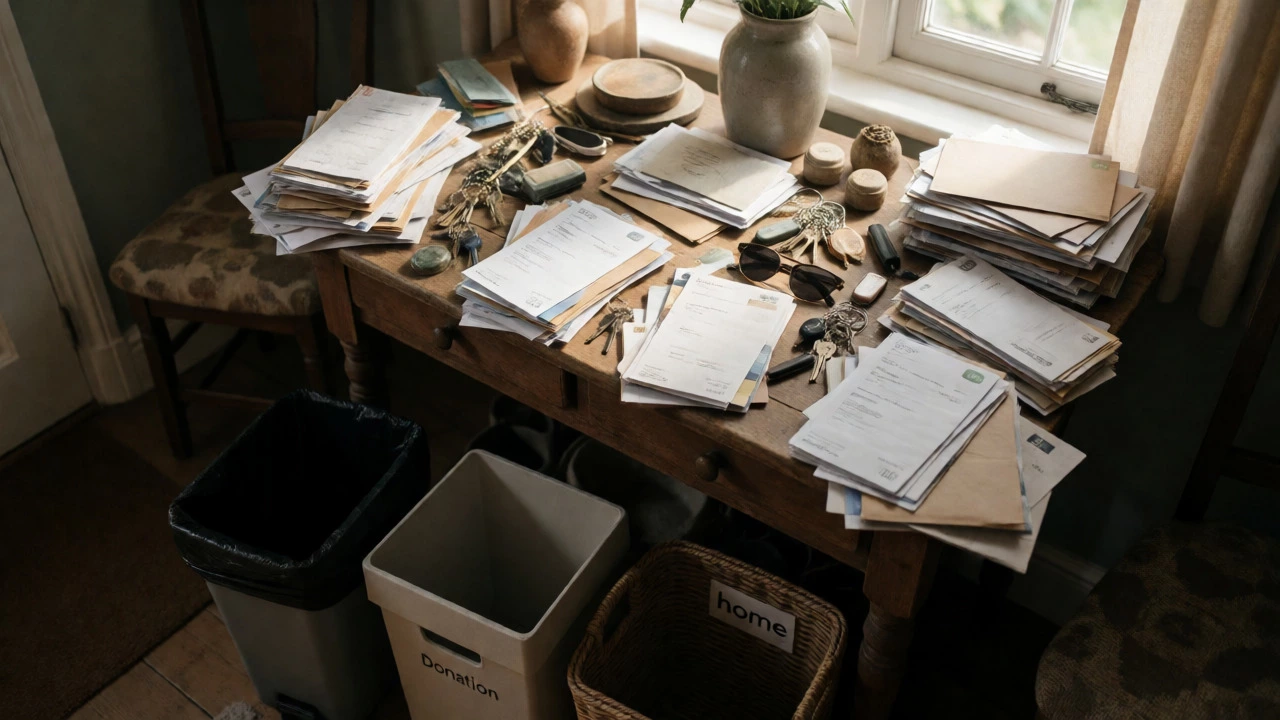
12-12-12 Decluttering Tracker
Find 12 items to Discard, 12 to Donate, and 12 to Return. Click buttons or add specific items to track your progress.
You know that feeling when you walk into a room and your brain just... shuts down? The clutter isn't just physical stuff; it’s mental noise. You want to clean, but the sheer volume of things feels like a wall you can’t climb. Enter the 12-12-12 rule. It is a structured decluttering method where you find twelve items to discard, twelve to donate, and twelve to return to their proper place. Sounds too simple to work? That’s exactly why it does.
I’ve tried every organizing system out there. Some require color-coded bins and spreadsheets. Others demand you throw away half your wardrobe in a weekend marathon. The 12-12-12 rule is different because it respects your time and your energy limits. It turns an overwhelming task into a manageable game. And honestly? It works. Here’s how to use it without burning out.
Why Your Brain Hates Big Cleaning Projects
Decision fatigue is real. When you face a messy closet, your brain has to make hundreds of micro-decisions: Keep this? Toss that? Where does this go? Is this sentimental? Each decision drains your willpower battery. By the time you pick up the first shirt, you’re already tired.
The beauty of the 12-12-12 rule lies in its constraints. You aren’t trying to clear the whole house. You’re looking for exactly thirty-six items total. Twelve trash, twelve charity, twelve home. This limit tricks your brain. It stops you from overthinking whether an item is "perfect" or just "good enough." You grab twelve things for each category, and then you stop. No guilt about what’s left. You made progress. That’s the win.
This approach aligns with behavioral psychology principles often cited in productivity circles. We perform better with clear, bounded tasks than open-ended ones. Think of it like eating a meal versus staring at a buffet. The plate gives you structure; the buffet gives you anxiety.
Breaking Down the Three Buckets
Let’s get specific. What do those three categories actually mean? Vague instructions lead to procrastination. So here are the rules of engagement.
12 Items to Discard (Trash/Recycle)
These are broken, expired, or useless. Think old batteries, dried-out pens, receipts from 2024, or clothes with holes you’ll never fix. Be ruthless. If it doesn’t serve you now, it goes. Don’t worry about recycling complexities yet-just get them out of the visual field.
12 Items to Donate (Give Away)
These are good items that just aren’t yours anymore. Maybe the sweater fits differently now, or you bought two mugs when you only needed one. These go to local charities, thrift stores, or friends who need them. Key rule: They must be clean and usable. Don’t dump junk on someone else.
12 Items to Return (Put Back)
This is the sneaky one. These are things currently living in the wrong zone. The socks in the kitchen drawer. The charger on the nightstand that belongs in the office. The books stacked on the floor that belong on the shelf. Returning these items restores order without removing anything from your life.
How to Run Your First Session
You don’t need a special day off. You can do this during a commercial break or while waiting for pasta water to boil. Here’s the step-by-step flow:
- Pick a Zone: Don’t try to do the whole house at once. Choose one small area. A bathroom counter, a single drawer, or the entryway table. Small wins build momentum.
- Gather Tools: Grab three bags or boxes. Label them Trash, Donate, and Home. Visual separation helps prevent second-guessing.
- Set a Timer (Optional): Give yourself 15-20 minutes. The pressure helps focus.
- Hunt for 12 Discards: Scan the zone. Find twelve things that are truly gone. Drop them in the bag.
- Hunt for 12 Donations: Look for good items that have overstayed their welcome. Put them in the second bag.
- Hunt for 12 Returns: Spot misplaced items. Walk them to their correct rooms immediately. Do not create a "put back later" pile.
- Stop: Once you hit twelve in each category, you are done. Walk away. Celebrate the visible difference.
Notice I said "stop." That’s crucial. If you keep going, you’ll hit the point of diminishing returns. You’ll start debating minor items, and the easy momentum dies. Leave some clutter for next time. It keeps the task low-stakes.
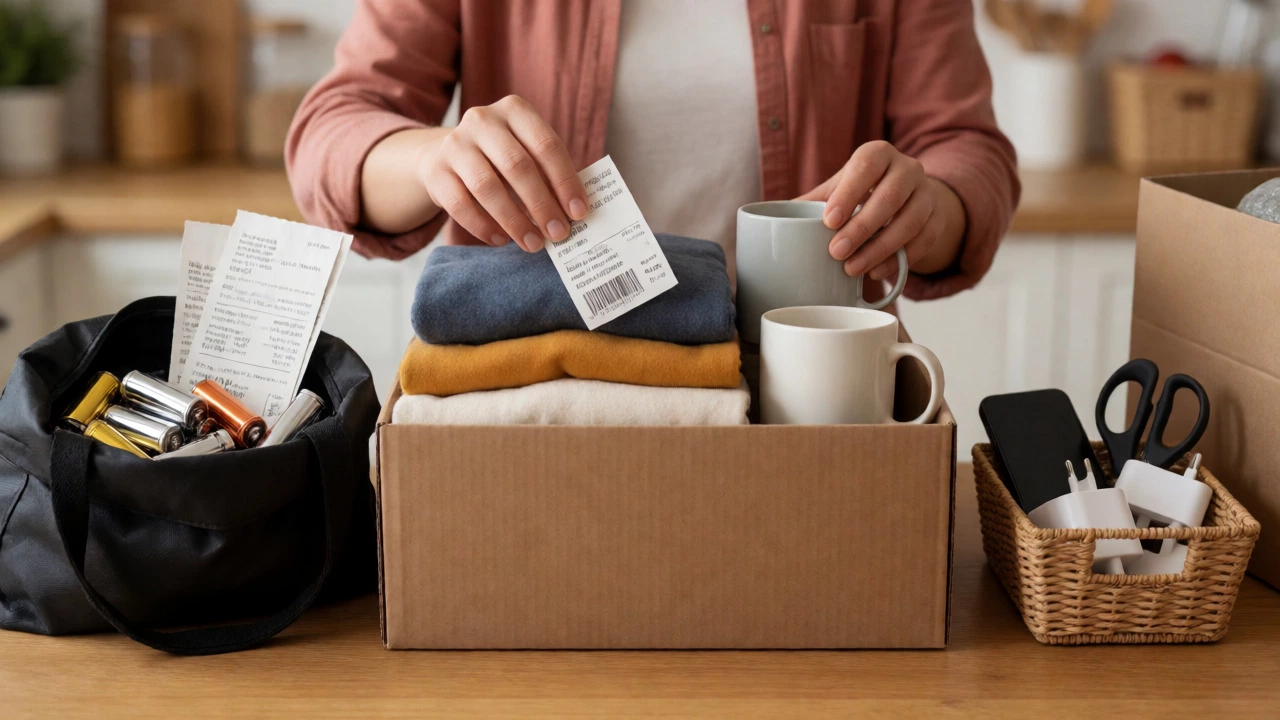
Real-Life Scenarios: Where This Shines
Where should you start? Here are three zones where the 12-12-12 rule delivers immediate satisfaction.
| Zone | Common Discards | Common Donations | Common Misplaced Items |
|---|---|---|---|
| Kitchen Drawer | Batteries, takeout menus, rubber bands | Duplicate utensils, unused gadgets | Spatulas, measuring cups, scissors |
| Entryway | Old mail, broken umbrellas, dead plants | Shoes that don’t fit, extra scarves | Keys, wallets, sunglasses |
| Nightstand | Expired meds, empty lotion bottles | Books you won’t re-read, old magazines | Phone chargers, glasses, journals |
The kitchen drawer is my favorite. Everyone has that "junk drawer." Using the 12-12-12 rule there takes five minutes and instantly makes cooking less frustrating. You’ll find twelve things you forgot you owned (donations) and twelve things that were just hiding (returns). The clarity is shocking.
Troubleshooting Common Stalls
What if you can’t find twelve donations? Or you feel guilty throwing things away? Let’s address the friction points.
Problem: "I can’t find 12 things to donate."
Solution: Lower the bar. Maybe you only find six great items. That’s fine. Fill the rest with items you *might* use someday but haven’t touched in a year. Or, combine zones. If the bedroom yields few donations, check the linen closet. The goal is the number, not perfection.
Problem: "I’m hoarding the 'Return' pile."
Solution: If an item needs more than ten seconds to put back, it probably doesn’t have a home. Create a temporary "homeless box" for these items. If they stay in the box for two weeks, consider discarding or donating them. Often, we hold onto things because we lack a designated spot.
Problem: "Sentimental items freeze me."
Solution: Exclude sentimental items from the 12-12-12 rule entirely. This method is for functional clutter. Photos, heirlooms, and gifts require a slower, emotional process. Mixing them into a speed-declutter session leads to tears and stalled progress. Save them for a separate project.

Making It a Habit
Decluttering isn’t a one-time event; it’s maintenance. Life creates mess. Kids drop toys. Paperwork piles up. Instead of letting chaos accumulate until you need a weekend purge, use the 12-12-12 rule weekly.
Pick a day. Sunday evenings work well for many people. Spend fifteen minutes scanning high-traffic areas. Reset the space before Monday hits. Over time, your baseline level of clutter drops significantly. You spend less energy searching for keys and more energy living.
Also, pair it with existing habits. While the coffee brews, do a quick 12-12-12 sweep of the kitchen counter. While watching TV, do a sweep of the living room surfaces. It becomes invisible labor rather than a chore.
Frequently Asked Questions
Does the 12-12-12 rule really help with ADHD?
Yes, many people with ADHD find this method effective because it provides external structure. The fixed number (12) removes the paralysis of choice. You don't have to decide "how much" to clean, just "what" meets the criteria. The short duration also prevents hyperfocus burnout.
Can I change the number from 12?
Absolutely. If 12 feels too hard, try 6-6-6. If you're motivated and have time, try 24-24-24. The principle remains the same: set a finite limit for each category to prevent overwhelm. Start smaller if you're new to decluttering.
What if I end up with too many donation bags?
If you consistently generate large amounts of donations, consider scheduling a bulk drop-off monthly. Alternatively, host a garage sale for higher-value items. The key is ensuring donated items actually leave your house promptly so they don't become new clutter.
Is this suitable for families with kids?
It's excellent for kids. Turn it into a race: "Who can find 12 toys to donate?" Children respond well to concrete numbers and games. Just ensure you supervise the "discard" category to avoid accidental loss of precious treasures.
How often should I repeat the process?
Weekly is ideal for maintenance. However, even once a month can maintain a tidy home. Consistency matters more than frequency. Pick a schedule you can stick to without resentment.