Minimalism Lifestyle Assessment
Are you ready to live with less? Answer these questions honestly to see where you stand on the path to intentional living.
Next Steps for You:
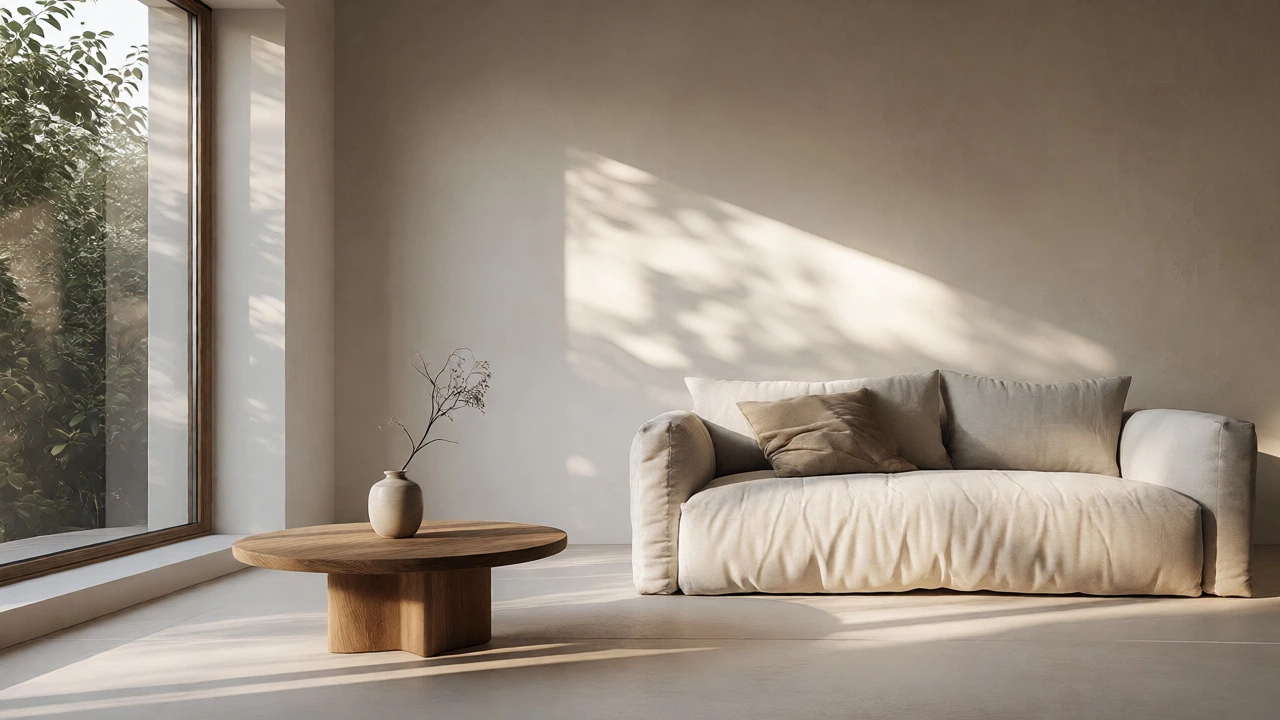
You walk into a friend’s house and see shelves lined with books you’ll never read, clothes still tagged from last season, and gadgets gathering dust. It feels heavy, doesn’t it? Now imagine walking into a minimalist’s home. The air feels lighter. There is space to breathe. But here is the big question: Is that emptiness just an aesthetic choice, or does it represent a deeper shift in how they live? Most people think minimalism means owning fewer than fifty items or sleeping on a mattress without sheets. That is a caricature. Real minimalism is not about having less stuff for the sake of deprivation; it is about making room for more life.
The core promise of this lifestyle is simple but profound: by removing the excess, you uncover what actually matters. If you are wondering what kind of life minimalists try to live, the answer isn't "a boring one." It is a life defined by intentionality, financial clarity, and mental peace. Let’s break down exactly what changes when you stop letting objects dictate your day.
The Shift from Ownership to Experience
Think about the last time you bought something because you were bored or stressed. Maybe it was a new jacket or a kitchen gadget you used once. For many of us, shopping is a coping mechanism. Minimalists flip this script. They view ownership as a burden rather than a badge of honor. Every item you own demands attention-it needs cleaning, storing, insuring, and eventually disposing of.
When you reduce your inventory, you reclaim time. A study published in the Journal of Consumer Research found that people who spent money on experiences reported higher levels of happiness than those who bought material goods. Why? Because experiences become part of our identity. That trip to the coast or the concert you attended becomes a story you tell. The blender you forgot about sits in the back of the cupboard, contributing nothing to your narrative. Minimalists prioritize these memories over merchandise. They ask themselves, "Will this add value to my daily routine, or will it just take up space?" This filter helps them live more actively, engaging with the world rather than managing their possessions.
Mental Clarity Through Visual Quiet
Your environment shapes your mind. Psychologists call this "enclothed cognition," where physical surroundings influence psychological processes. Clutter competes for your attention. When your desk is covered in papers, your brain subconsciously registers unfinished tasks. This creates low-level anxiety, often called "decision fatigue." You spend energy deciding what to move, where to put it, and whether you really need it.
Visual clutter is noise. And like any noise, it makes it harder to focus. Minimalists create spaces that allow their brains to rest. They aren't trying to be monks; they are trying to be efficient. By keeping surfaces clear, they reduce the number of micro-decisions they make throughout the day. This leads to a state of flow more easily. Whether you are working from home in Durban or studying in a small apartment, a tidy space acts as a launchpad for creativity. The goal is not sterility. It is serenity. You want a home that supports your goals, not one that constantly reminds you of your obligations.
Financial Freedom and Intentional Spending
Let’s talk about money. This is often the most tangible benefit of adopting a minimalist lifestyle. When you stop buying things you don't need, your bank account starts looking different. But it goes deeper than just saving cash. Minimalism forces you to define what "enough" looks like for you. In a consumer-driven society, we are taught that enough is always one purchase away. The next phone, the newer car, the trendier shoes.
Minimalists reject the hedonic treadmill-the idea that we run faster and faster just to stay in the same place. Instead, they practice conscious consumption. Before buying, they wait. Often 30 days. If they still want the item after a month, they buy it. This pause breaks the impulse cycle. Over time, this habit builds significant wealth. Not necessarily millions, but the kind of wealth that gives you options. Maybe it means quitting a job you hate because you have savings. Or maybe it means traveling for three months without worrying about rent. Financial minimalism is about buying freedom, not status.
Time Reclaimed: The Hidden Currency
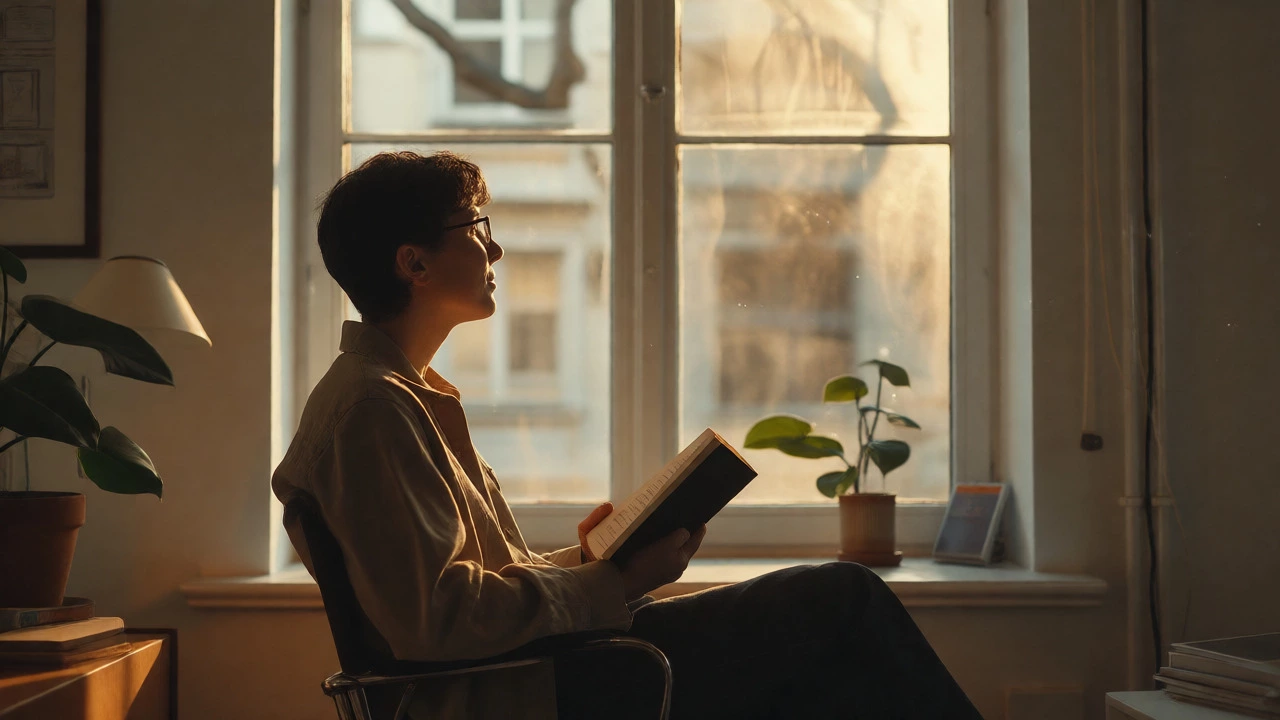
We all have the same 24 hours. So why do some people seem to have more time? Usually, it is because they spend less time maintaining their lives. Think about the logistics of your current belongings. How long does it take you to find your keys? To clean your garage? To decide what to wear in the morning?
A capsule wardrobe, for example, eliminates the "nothing to wear" panic. If you only own ten high-quality tops and five bottoms that all match, getting dressed takes two minutes. No stress. No waste. This principle extends to other areas. Digital minimalism-curating your apps and notifications-saves hours of scrolling. Minimalists treat their time as their most valuable asset. They audit their schedules ruthlessly. If an activity or possession doesn't serve their core values, it gets cut. This isn't about being busy; it's about being present. They use the reclaimed hours for hobbies, relationships, or simply doing nothing without guilt.
| Aspect | Traditional Approach | Minimalist Approach |
|---|---|---|
| Shopping Trigger | Boredom, sales, social pressure | Genuine need, replacement, quality upgrade |
| Home Environment | Filled with potential future uses | Curated for current utility and joy |
| Decision Making | Overwhelmed by choices (paradox of choice) | Simplified options lead to faster decisions |
| Financial Focus | Earning more to spend more | Spending less to save/invest more |
| Value Source | External validation through possessions | Internal satisfaction through experiences |
Relationships and Social Connection
Does minimalism make you antisocial? Quite the opposite. When you remove the distraction of managing stuff, you have more bandwidth for people. Think about hosting dinner. In a cluttered home, you might worry about stains on the carpet or where to put guests' coats. In a minimalist home, the focus shifts entirely to the conversation and the food.
Minimalists also tend to curate their social circles. Just as they edit their wardrobes, they evaluate their relationships. Are these friendships adding value? Do they drain energy or replenish it? This doesn't mean cutting off everyone who annoys you. It means being honest about where you invest your emotional energy. Quality over quantity applies to friends, too. You might have fewer close friends, but those connections are deeper. You show up fully because you aren't distracted by the noise of your own accumulation.

The Sustainability Angle
In 2026, we can't talk about minimalism without mentioning its impact on the planet. Fast fashion and disposable electronics have created a crisis of waste. Minimalists are inherently sustainable, even if they don't label themselves as environmental activists. Buying less means producing less. Using items until they break means reducing landfill waste.
This aligns with the broader movement toward conscious consumerism. When you choose one high-quality pair of boots that lasts ten years instead of five cheap pairs that last two, you reduce your carbon footprint. You also support ethical manufacturing practices, as you are more likely to research brands that treat workers fairly. Minimalism connects personal well-being with planetary health. It recognizes that our personal clutter is often a symptom of a larger systemic issue. By opting out, you vote with your wallet for a cleaner, fairer world.
Common Misconceptions About the Minimalist Life
Before you start throwing things away, let’s clear up some myths. First, minimalism isn't about poverty. You can be wealthy and minimalist. Steve Jobs was famously minimalist, yet he lived comfortably. Second, it isn't cold or sterile. You can have art, plants, and cozy textiles. The key is that each item earns its place. Third, it isn't a one-time event. You don't declutter once and then forget about it. It is an ongoing practice of maintenance and mindfulness.
Also, don't fall into the trap of "minimalist chic." Buying expensive, beige furniture just to look minimal defeats the purpose. True minimalism is practical. If a colorful, quirky lamp brings you joy and serves a function, keep it. The goal is alignment between your outer environment and your inner values, not adhering to a strict design code.
Is minimalism suitable for families with children?
Yes, absolutely. While it requires more effort, families often benefit significantly. Fewer toys mean children engage more deeply with what they have, fostering creativity. It also reduces cleanup time, giving parents more leisure time. The key is involving kids in the process and allowing them some autonomy over their own spaces.
How much should I own to be considered a minimalist?
There is no magic number. Some minimalists aim for under 100 items; others prefer 500. The metric that matters is whether every item serves a purpose or brings genuine joy. If you struggle to find things or feel overwhelmed by maintenance, you likely own too much, regardless of the count.
Does minimalism help with anxiety?
For many people, yes. Visual clutter increases cortisol levels, the stress hormone. Reducing visual noise can lower anxiety and improve focus. However, minimalism is a tool, not a cure-all. If anxiety stems from deeper psychological issues, decluttering alone won't solve it, but it can create a calmer environment conducive to healing.
What happens if I buy something unnecessary after going minimalist?
Don't beat yourself up. Minimalism is a spectrum, not a pass/fail test. Acknowledge the slip, assess why you bought it, and decide if you want to keep it. Sometimes, realizing you didn't enjoy the item is enough to prevent future purchases. Progress, not perfection, is the goal.
How do I handle sentimental items?
Sentimental items are the hardest to discard. Try photographing them before letting them go. Keep only the top 5-10 items that hold the strongest emotional weight. Remember that the memory lives in you, not in the object. You can honor the past without being buried by it.