Serum Application Order Simulator
Click on each step in the correct order to build your optimal morning skincare routine.
- Rule Thinnest to thickest consistency
- Wait 60 seconds between serums
- Seal Always use moisturizer after
- Protect Sunscreen is mandatory in AM
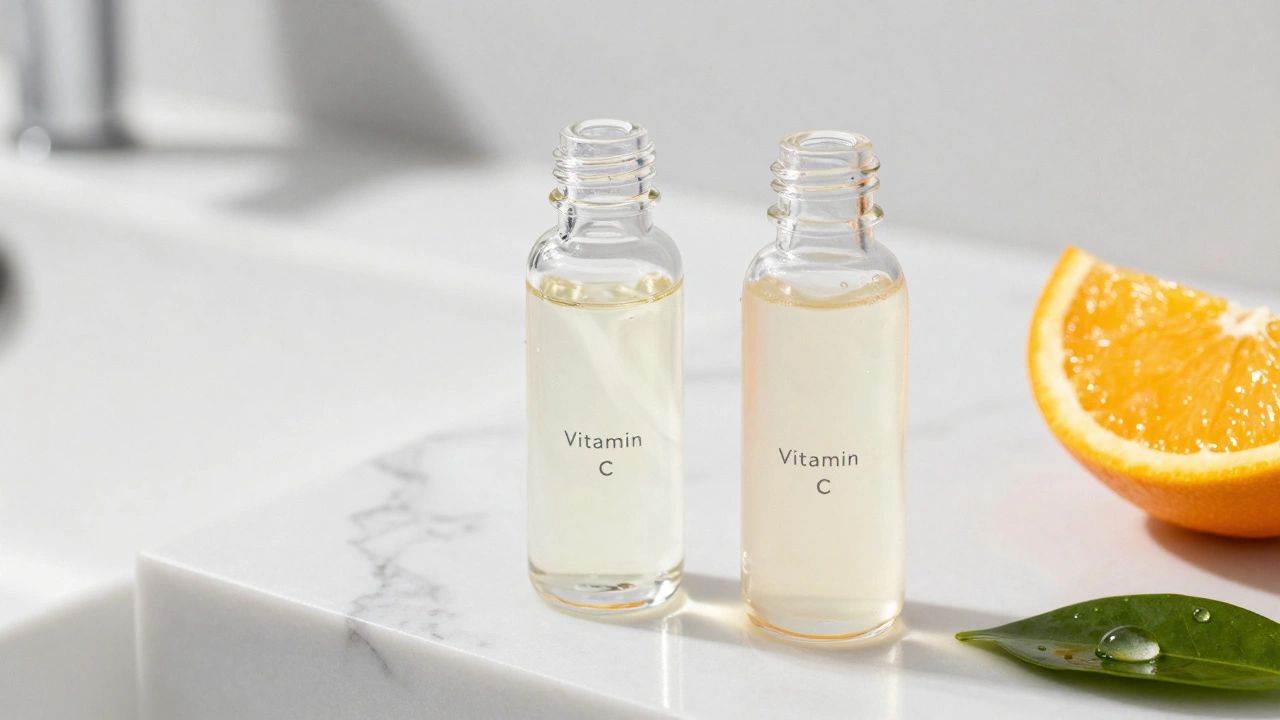
You’ve got two powerhouse serums sitting on your bathroom counter. One promises to brighten and protect against sun damage. The other swears it will plump your skin like a water balloon. But when you reach for them, which one hits your face first? It’s the most common question I hear from friends trying to build a solid skincare routine. The short answer is simple: Vitamin C goes first. But if you stop there, you might be missing out on the full benefits of both ingredients.
Let’s break down why the order matters, how these two work together, and exactly how to apply them so your skin actually absorbs what you’re paying for. We’ll also look at some common mistakes that undo all your hard work.
The Golden Rule: Thinnest to Thickest
Before we get into the chemistry, let’s talk about the basic rule of thumb for any skincare stack. You always want to apply products from thinnest consistency to thickest. Think of it like painting a wall. You don’t put the heavy primer over the delicate paint. You start with the base layer that needs direct contact with the surface.
Vitamin C serum is usually a watery, lightweight liquid. It has small molecules designed to penetrate deep into the epidermis. L-ascorbic acid, the most potent form of Vitamin C, works best at a lower pH level (around 3.5). This acidic environment helps it slip under your skin barrier to fight free radicals.
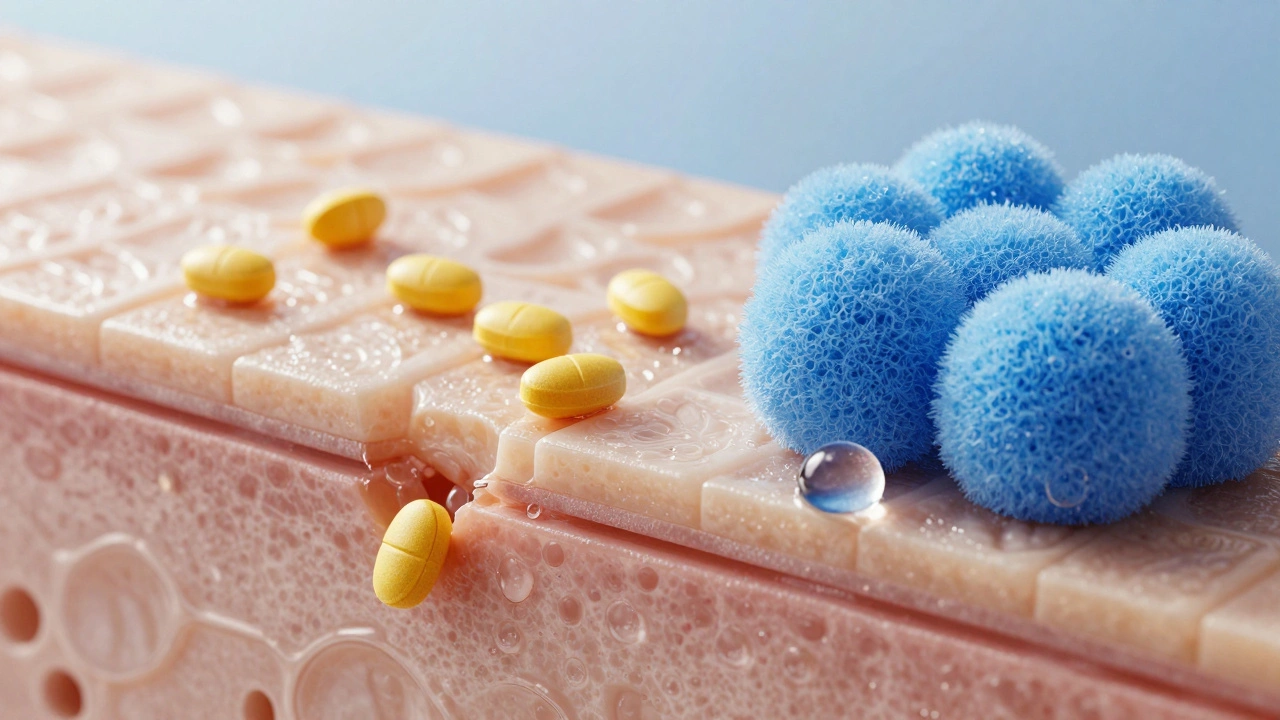
Hyaluronic Acid, on the other hand, is often slightly more viscous. While it’s still a serum, it acts more like a sponge. Its job isn’t necessarily to dive deep and repair DNA; it’s to grab moisture from the air or the layers below and hold it onto your skin’s surface. If you apply a thicker, stickier product before your thin Vitamin C, you create a physical barrier. That Vitamin C just sits on top, oxidizes faster, and doesn’t do much for you.
Why Vitamin C Needs to Go First
Vitamin C is an antioxidant. In plain English, it neutralizes unstable molecules called free radicals. These radicals come from UV rays, pollution, and even stress. They break down collagen and cause wrinkles. By applying Vitamin C first, you give it direct access to your skin cells to start this protection process immediately.
Here is the sequence that makes sense:
- Cleanse your face.
- Apply toner (if you use one).
- Apply Vitamin C serum to dry skin.
- Wait 60 seconds to let it absorb.
- Apply Hyaluronic Acid.
- Seal everything with a moisturizer.
If you flip this order, you risk diluting the effectiveness of the Vitamin C. Also, remember that Vitamin C can be irritating for some people. Putting it directly on clean skin ensures it penetrates without interference, but it also means you should watch for redness. If your skin is sensitive, you might want to introduce them separately, rather than stacking them every day.
The Role of Hyaluronic Acid as a Humectant
Hyaluronic Acid is technically a glycosaminoglycan, but you can just think of it as a humectant. A humectant draws water toward itself. One molecule of HA can hold up to 1,000 times its weight in water. That’s why it feels so plumping.
When you apply HA after Vitamin C, you are essentially locking in the hydration while adding a protective cushion. This is crucial because Vitamin C, especially L-ascorbic acid, can sometimes be drying. The HA counteracts that potential dryness. It creates a moist environment that keeps your skin barrier healthy. A healthy barrier is essential for preventing irritation from active ingredients.
However, there is a catch with Hyaluronic Acid. It only pulls water from somewhere. If the air around you is dry-like in an air-conditioned office or during winter-it might pull moisture *from* your deeper skin layers instead of the air. This leaves you drier than before. That’s why the next step, moisturizer, is non-negotiable.
The Critical Step: Moisturizer and Sunscreen
You cannot skip moisturizer after these serums. Serums are treatment products. They deliver high concentrations of actives. But they don’t seal anything in. Without an occlusive or emollient layer, that hydration evaporates. This is called Transepidermal Water Loss (TEWL). You want to stop TEWL.
Apply your moisturizer within two minutes of your Hyaluronic Acid. This traps the water drawn by the HA and the antioxidants delivered by the Vitamin C. For daytime routines, your final step must be Sunscreen. Vitamin C boosts the efficacy of sunscreen, but it does not replace it. Sunscreen protects against UVA and UVB rays, which are the primary causes of aging. Vitamin C handles the free radicals that sneak past the sunscreen. They are partners, not replacements.
Can You Mix Them Together?
Some brands sell combined serums with both Vitamin C and Hyaluronic Acid in one bottle. Is this cheating? Not really. Formulators know how to balance pH levels and ensure stability. If you buy a pre-mixed serum, you save time and avoid the guesswork of layering. Just follow the same rule: apply it to clean, dry skin, then follow with moisturizer.
However, if you prefer separate products, mixing them in your palm before application is generally safe. Since both are water-based, they won’t pill or separate like oil and water would. Just rub them together gently and press onto your face. This method reduces the number of steps and minimizes the chance of irritation from multiple applications.

Common Mistakes to Avoid
I see people making the same errors over and over. Here are three big ones to watch out for:
- Using too much Vitamin C. A pea-sized amount is enough for your whole face. More product doesn’t mean better results. It means wasted money and potential irritation.
- Applying Hyaluronic Acid to dry skin in a dry climate. As mentioned, HA needs humidity. If you live in a desert-like environment, mist your face with water or a hydrating toner before applying the HA serum. Give it something to grab onto.
- Ignoring expiration dates. Vitamin C oxidizes quickly. Once your clear serum turns orange or brown, it’s dead. Throw it away. Using oxidized Vitamin C can actually cause hyperpigmentation, doing the opposite of what you want.
Morning vs. Night Routine
This combination shines brightest in the morning. Vitamin C provides defense against daily environmental aggressors. Hyaluronic Acid keeps your makeup looking fresh by preventing mid-day creasing. At night, you might swap Vitamin C for retinol or exfoliating acids. Retinol and Vitamin C shouldn’t typically be used together due to pH conflicts and irritation risks. So, keep the C and HA duo for your AM routine, and focus on repair and turnover at night.
| Feature | Vitamin C Serum | Hyaluronic Acid |
|---|---|---|
| Primary Function | Antioxidant protection, brightening | Hydration, plumping |
| Best Time to Use | Morning (AM) | Morning and Evening (AM/PM) |
| Texture | Thin, watery | Slightly viscous, gel-like |
| pH Level | Low (Acidic, ~3.5) | Neutral to Slightly Acidic (~5.5) |
| Key Benefit | Fights free radicals, boosts collagen | Holds 1000x weight in water |
Final Thoughts on Layering
Your skin is smart, but it’s not magic. It needs the right tools in the right order. Putting Vitamin C first ensures it does its heavy lifting against environmental damage. Following with Hyaluronic Acid ensures your skin stays hydrated and resilient. Sealing it with moisturizer and sunscreen locks in the benefits. Stick to this routine for eight weeks, and you’ll likely see a noticeable difference in brightness and texture. Consistency beats complexity every time.
Can I use Vitamin C and Hyaluronic Acid at the same time?
Yes, absolutely. They are highly compatible. Vitamin C treats and protects, while Hyaluronic Acid hydrates. Using them together enhances the overall health of your skin barrier without causing conflict.
What happens if I apply Hyaluronic Acid before Vitamin C?
You may reduce the absorption of the Vitamin C. Because Hyaluronic Acid can create a slight film on the skin, it might block the smaller molecules of Vitamin C from penetrating deeply. This makes the Vitamin C less effective at fighting free radicals.
Do I need to wait between applying Vitamin C and Hyaluronic Acid?
It is recommended to wait about 60 seconds. This allows the Vitamin C to fully absorb into the skin. If you apply the next product too soon, you might dilute the previous one or cause pilling, where the products roll up into little balls on your face.
Is Vitamin C suitable for sensitive skin?
It can be, but caution is needed. L-ascorbic acid can be irritating. Look for gentler derivatives like Sodium Ascorbyl Phosphate or Magnesium Ascorbyl Phosphate. Start by using it every other day to see how your skin reacts before making it a daily habit.
Should I use Hyaluronic Acid on dry skin or damp skin?
Damp skin is ideal. Since Hyaluronic Acid is a humectant, it needs water to bind to. Applying it to slightly damp skin or following it with a water-based mist ensures it pulls moisture into your skin rather than pulling it out from deeper layers.