Processed Meat Health Risk Calculator
Your Consumption Habits
Risk Analysis Results
Enter your details and click "Assess My Risk" to see how your diet compares to recommended safety limits.
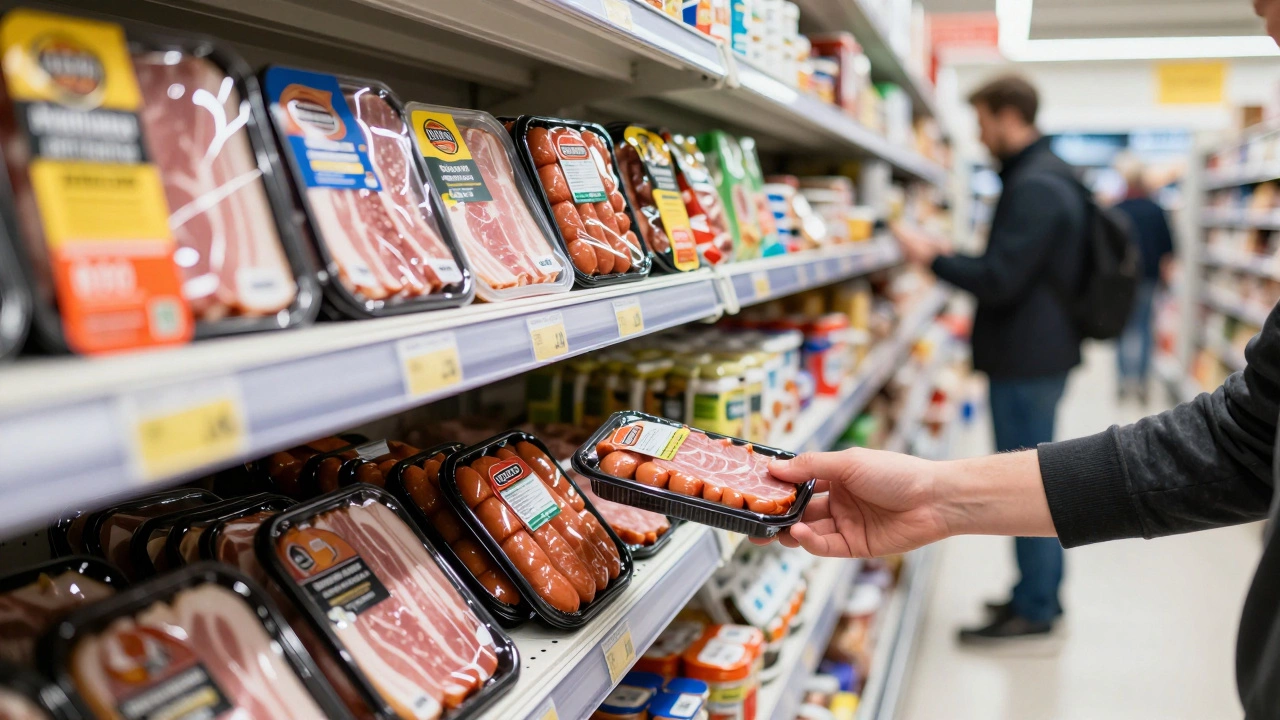
You walk down the aisle at your local supermarket. You see bright packaging, bold claims of "delicious," and prices that are hard to beat. But what if I told you that one specific category of food is scientifically linked to higher rates of heart disease, certain cancers, and early death? It’s not just candy or soda-though those aren’t exactly health foods either. When researchers look at global health data, one group of foods consistently stands out as the biggest threat to long-term health: processed meat.
If you’ve ever wondered what the single most unhealthy food on the planet is, the answer isn’t a single item like a donut or a burger. It’s a category. And understanding why this category is so dangerous is the first step toward protecting your health.
The Science Behind the Danger: Why Processed Meat Tops the List
To understand why Processed Meat is meat that has been transformed through salting, curing, fermentation, smoking, or other processes to enhance flavor or improve preservation is considered the most unhealthy, we have to look at what happens inside the package. Fresh meat is fine. A steak or chicken breast, cooked simply, is a good source of protein. But once you start processing it, you change its chemical makeup.
The World Health Organization (WHO) classified processed meats as Group 1 carcinogens in 2015. This means there is sufficient evidence that they cause cancer in humans. Specifically, colorectal cancer risk increases by about 18% for every 50-gram portion eaten daily. That’s roughly two slices of bacon or one hot dog.
Why does this happen? It comes down to three main factors:
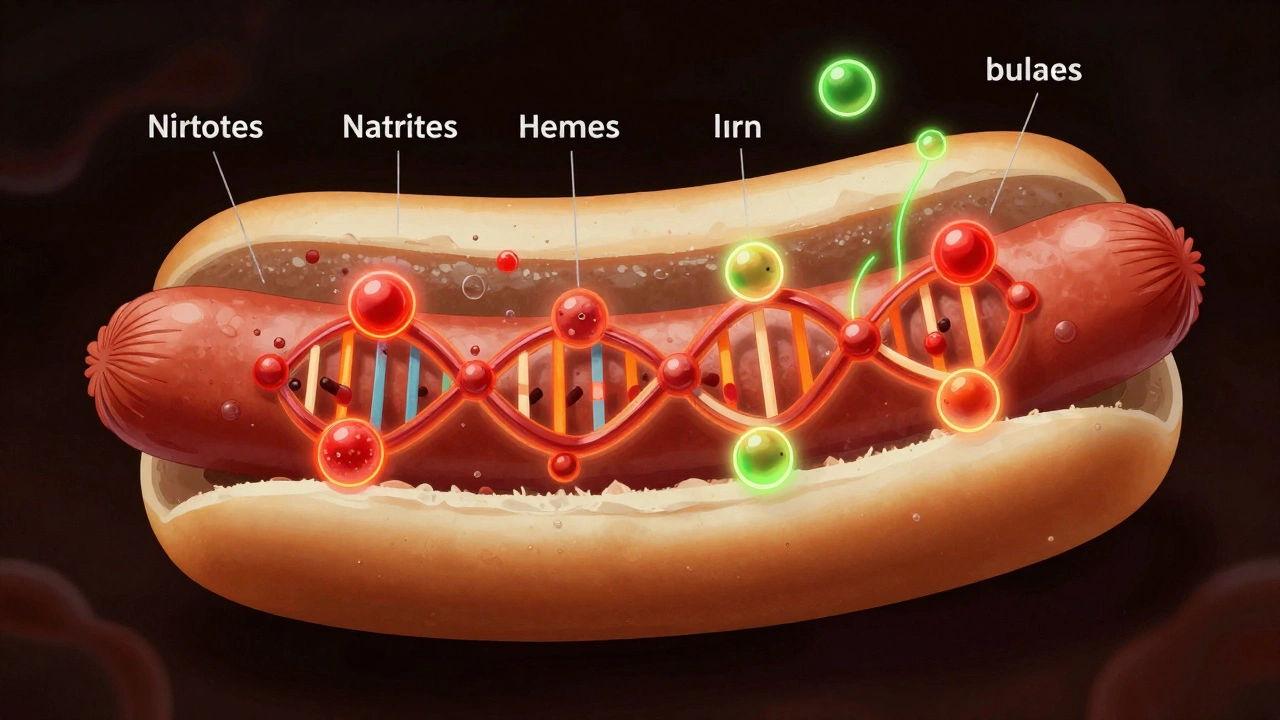
- Nitrates and Nitrites: These preservatives keep the meat pink and prevent bacterial growth. However, when they hit your stomach acid or high cooking temperatures, they can form compounds called N-nitroso compounds, which damage DNA.
- Heme Iron: While iron is essential, the heme iron found in red meat can promote the formation of harmful substances in the gut lining.
- High Sodium: Processed meats are salt bombs. Excess sodium raises blood pressure, straining your heart and arteries over time.
It’s not just about one meal. It’s the cumulative effect of eating these products regularly that leads to chronic inflammation and cellular damage.
Common Culprits: What Counts as Processed Meat?
You might think you’re avoiding unhealthy foods, but processed meat hides in plain sight. It’s not just the obvious stuff like sausages. Here are the most common forms you’ll find in a typical kitchen:
| Food Item | Processing Method | Hidden Risks |
|---|---|---|
| Bacon | Curing with salt and nitrates | Very high sodium, high saturated fat |
| Hot Dogs / Sausages | Emulsified, cured, smoked | Additives, fillers, preservatives |
| Deli Meats (Ham, Salami) | Cured, dried, or fermented | High sodium, potential nitrosamines |
| Meat Snacks (Beef Jerky) | Dried, salted, flavored | Extremely high sodium, sugar additives |
| Pre-packaged Burgers | Mixed with extenders and preservatives | Low meat quality, high fat content |
Notice that even "lean" options like turkey deli meat can be highly processed. If it’s cured, smoked, or packed with preservatives to last weeks on a shelf, it falls into this risky category. The convenience factor is high, but so is the health cost.
The Bigger Picture: Ultra-Processed Foods vs. Whole Foods
While processed meat is the top offender, it’s part of a larger trend toward Ultra-Processed Foods is industrial formulations made mostly from substances extracted from foods, such as oils, fats, sugars, starch, and proteins, plus various cosmetic additives. Think chips, sugary cereals, instant noodles, and packaged snacks. These foods are designed to be hyper-palatable, meaning they trigger reward centers in your brain, making you eat more than you need.
However, processed meat stands out because of its direct link to serious diseases like cancer and cardiovascular issues. Ultra-processed carbs contribute to obesity and diabetes, but the carcinogenic nature of processed meats makes them uniquely dangerous.
In Durban, where fresh seafood and local produce are abundant, it’s easy to choose better. But globally, the rise of cheap, convenient processed meats has led to a surge in non-communicable diseases. The World Bank estimates that these lifestyle-related illnesses cost economies billions annually in healthcare and lost productivity.
How to Spot Hidden Processed Meats
Reading labels is your best defense. Here’s what to look for:
- Sodium Content: If a serving has more than 400mg of sodium, be cautious. Many processed meats exceed this in a single slice.
- Preservatives: Look for words like "sodium nitrate," "sodium nitrite," "ascorbic acid," or "erythorbate." These indicate heavy processing.
- Ingredient List Length: If you can’t pronounce half the ingredients, it’s likely ultra-processed. Whole foods have short ingredient lists.
- Color: Naturally, meat turns gray when cooked. If it stays bright pink or red, it’s been treated with color-preserving chemicals.
Don’t be fooled by marketing terms like "natural" or "no artificial flavors." These don’t mean the food is healthy. They just mean no synthetic dyes were added, but natural preservatives and high sodium levels remain.
Healthier Alternatives: What to Eat Instead
Removing processed meat doesn’t mean giving up flavor or satisfaction. Here are some swaps that protect your health without sacrificing taste:
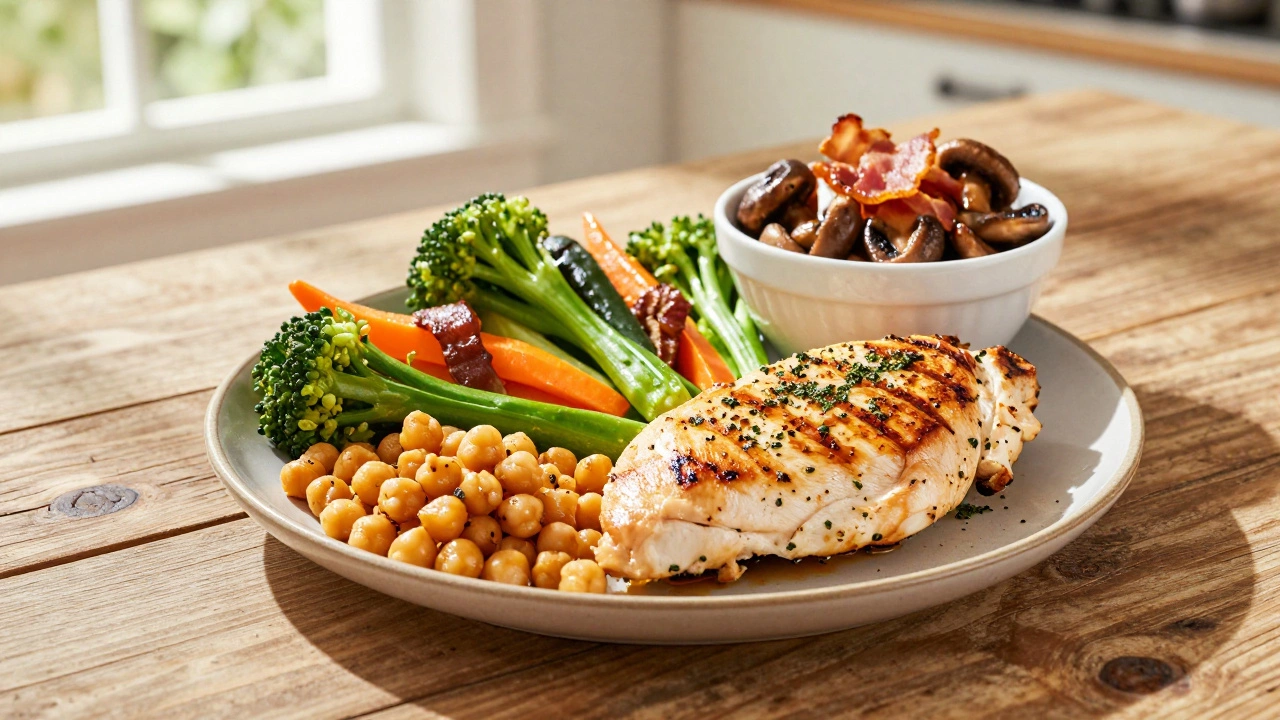
- Instead of Bacon: Try smoked mushrooms or tempeh bacon. They offer a smoky crunch without the nitrates.
- Instead of Deli Meat: Use leftover grilled chicken or turkey breast that you cook yourself. Season it with herbs instead of cure salts.
- Instead of Hot Dogs: Opt for whole-muscle sausages made from fresh pork or chicken, with no added preservatives. Check the label for "uncured" and minimal ingredients.
- Instead of Beef Jerky: Choose roasted chickpeas, nuts, or seeds for a salty, crunchy snack.
Focusing on whole foods-fruits, vegetables, legumes, nuts, and unprocessed animal proteins-reduces inflammation and supports long-term vitality. In South Africa, incorporating indigenous grains like sorghum and millet alongside fresh local vegetables can create balanced, nutritious meals that are both affordable and delicious.
Practical Tips for Reducing Intake
Change doesn’t happen overnight. Start small:
- Limit Frequency: Treat processed meat as an occasional treat, not a daily staple. Aim for less than one serving per week.
- Read Labels Before Buying: Make it a habit to check the back of the package. If it looks suspicious, leave it on the shelf.
- Plan Meals Ahead: Preparing meals at home gives you control over ingredients. Batch-cook grilled chicken or beans for easy lunches.
- Explore New Flavors: Experiment with spices like paprika, cumin, and garlic to add depth to plant-based proteins or fresh meats.
Remember, every small choice adds up. By cutting back on processed meats, you’re not just avoiding harm-you’re actively investing in your future health.
Is all red meat unhealthy?
No. Unprocessed red meat like beef, lamb, and pork is not classified as a carcinogen. However, it should still be consumed in moderation due to saturated fat content. The key distinction is between fresh, unprocessed cuts and those that have been cured, smoked, or preserved.
Can I eat processed meat occasionally?
Yes. Occasional consumption, such as once a month or during special occasions, poses minimal risk. The danger lies in regular, daily intake. Balance is key; enjoy what you love, but don’t make it a habit.
Are "uncured" deli meats safe?
They are safer than traditional cured meats but not risk-free. "Uncured" often means they use celery juice powder, which naturally contains nitrates. Your body converts these into the same harmful compounds. Always check sodium levels and opt for brands with minimal additives.
What is the healthiest protein source?
Fish, particularly fatty fish like salmon and mackerel, is widely considered one of the healthiest protein sources due to its omega-3 fatty acids. Plant-based proteins like lentils, beans, and tofu are also excellent choices, offering fiber and low saturated fat.
Does cooking method affect the healthiness of meat?
Yes. Grilling or frying meat at very high temperatures can create heterocyclic amines (HCAs) and polycyclic aromatic hydrocarbons (PAHs), which are potentially carcinogenic. Cooking methods like baking, stewing, or poaching reduce the formation of these harmful compounds.