
Key Takeaways for Your Plate
- Consistency is more important than the exact hour you eat.
- Prioritize protein and fiber in the morning to prevent afternoon crashes.
- Match your largest meal to your most active part of the day.
- Avoid eating heavy meals within three hours of sleep for better recovery.
The Science of Timing and Blood Sugar
When we talk about an ideal meal schedule is a structured pattern of food consumption designed to maintain stable energy levels and optimize metabolic health, we're really talking about managing Blood Glucose. Your brain runs on glucose, but it hates spikes and dips. When you skip a meal or wait too long, your blood sugar drops, triggering the release of cortisol and adrenaline. This is why you get 'hangry.' If you eat a massive carb-heavy breakfast, your insulin spikes, clears the glucose too quickly, and you're back to square one by noon. To avoid this, focus on a 'steady state.' This means eating every 3 to 5 hours. For most people, this translates to three main meals and one or two strategic snacks. It keeps the metabolic fire burning without overloading the system.Matching Your Schedule to Your Biology
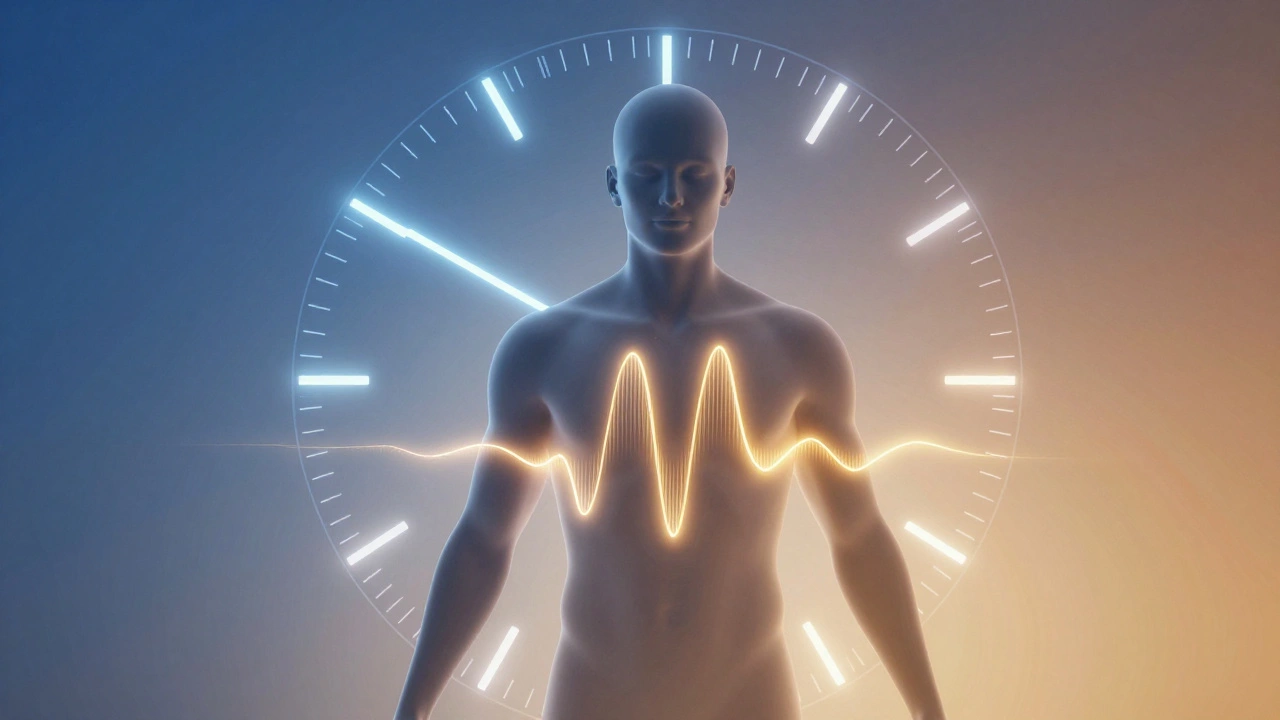
Your body isn't a machine that runs at the same speed all day. It follows Circadian Rhythms, which are internal 24-hour clocks that regulate sleep, hunger, and hormone release. For example, insulin sensitivity is generally higher in the morning and afternoon than it is late at night. This is why a heavy pasta dinner often leads to a 'food coma' and poor sleep, while the same meal at lunch might just fuel your afternoon walk. Consider your daily peak. If you hit the gym at 6 AM, your 'ideal' schedule requires fuel immediately after that session to repair muscles. If you're a night owl who does deep work at 10 PM, you might need a small, protein-rich snack to keep your brain sharp without disrupting your sleep cycle. The goal is to fuel the activity, not just fill the time.| Lifestyle | Primary Goal | Recommended Gap | Best Energy Window |
|---|---|---|---|
| 9-to-5 Corporate | Cognitive Focus | 4 Hours | 10 AM - 2 PM |
| Athlete/Active | Muscle Recovery | 3 Hours | Post-Workout |
| Intermittent Faster | Metabolic Flex | 6-8 Hours (Fast) | Eating Window |
Exploring the Intermittent Fasting Approach
Not everyone thrives on the 'three meals a day' model. Some prefer Intermittent Fasting, which is an eating pattern that cycles between periods of fasting and eating. The most common version is the 16/8 method, where you fast for 16 hours and eat all your calories within an 8-hour window. This isn't magic; it's about giving your digestive system a break and allowing insulin levels to drop low enough that your body starts burning stored fat for energy. However, this doesn't work for everyone. People with high-stress jobs or those prone to hypoglycemia might find that a long fast makes them irritable or unfocused. If you try this, start with a 12-hour window and slowly expand it. Don't jump into a 16-hour fast if you're already struggling with midday brain fog.The Role of Protein Distribution
One of the biggest mistakes people make with their schedule is 'backloading' protein. This means eating a light breakfast, a salad for lunch, and a giant steak for dinner. Your body can only process a certain amount of protein for muscle synthesis at one time-usually around 25 to 40 grams per meal. To maximize your health, spread your protein across the day. If you start your morning with 30g of protein (like eggs or Greek yogurt), you'll feel fuller longer and reduce cravings for sugary snacks in the afternoon. This distribution prevents the late-night binge eating that happens when you're subconsciously starved for nutrients after a day of light eating.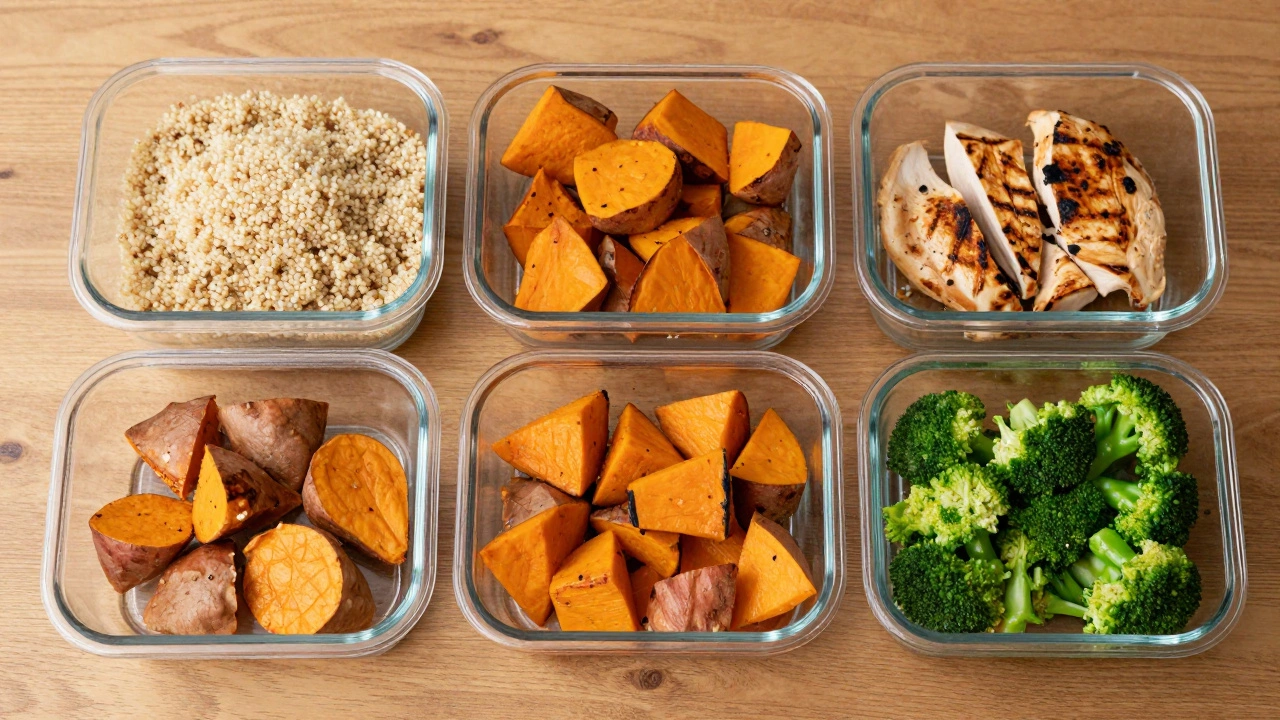
Practical Meal Prep Tips for a Consistent Schedule
Knowing the ideal time to eat is useless if you don't have the food ready. This is where Meal Prepping comes in. It's not about spending your entire Sunday in the kitchen; it's about reducing the 'friction' between feeling hungry and eating a healthy meal. Try the 'component method.' Instead of making five identical containers of chicken and broccoli, prep bulk components: a big pot of quinoa, roasted root vegetables, grilled proteins, and washed greens. When your schedule hits that 3-hour mark, you can assemble a bowl in two minutes. This keeps your meals varied and prevents the boredom that leads to ordering takeout.- The Emergency Kit: Keep a stash of raw almonds or hard-boiled eggs in the fridge. When a meeting runs long and you miss your window, these stop the blood sugar crash.
- The Power Hour: Spend 60 minutes on Sunday chopping and portioning. It saves roughly 5 hours of decision-making throughout the week.
- Smart Freezing: Freeze portions of stews or soups. They are the perfect 'anchor' meals for a busy Tuesday.
Designing Your Custom Blueprint
Now, let's put it all together. To find your own ideal schedule, track your energy for three days. Note when you feel a dip in focus or an increase in hunger. If you're crashing at 4 PM, you likely didn't eat enough protein at lunch or your gap between breakfast and lunch was too long. A standard, balanced blueprint for a moderately active person might look like this:- 7:00 AM - 8:00 AM: Breakfast (Protein + Healthy Fats) to wake up the metabolism.
- 11:00 AM - 12:00 PM: Mid-morning snack (Fruit + Nuts) if lunch is late.
- 1:00 PM - 2:00 PM: Lunch (Complex Carbs + Lean Protein + Veggies) for sustained brain power.
- 4:00 PM - 5:00 PM: Afternoon bridge snack (Greek yogurt or hummus) to prevent the 'evening crash.'
- 6:30 PM - 7:30 PM: Dinner (Light Protein + Plenty of Veggies) for easy digestion.
Is it better to eat 3 large meals or 6 small meals?
Neither is objectively 'better.' It depends on your digestive capacity and activity level. Some people feel sluggish after large meals, making 5-6 small meals better for energy. Others find constant eating disrupts their focus and prefer 3 square meals. The key is whether your blood sugar remains stable between eating events.
Does the timing of my last meal affect weight loss?
While total calories matter most, eating very late can impact insulin sensitivity and sleep quality. High-calorie meals late at night are more likely to be stored as fat because you aren't active enough to burn them off. Try to finish eating 2-3 hours before bed for the best results.
What should I do if I miss a meal in my schedule?
Don't try to 'double up' on your next meal, as this can cause a massive glucose spike and lethargy. Instead, eat a small, protein-rich snack to stabilize your hunger, then proceed with your next scheduled meal as normal.
Can I change my meal schedule for weekends?
Yes, but try to keep the windows relatively similar. Shifting your eating times by more than 2-3 hours on weekends can cause 'social jetlag,' making Monday mornings feel much harder as your digestive system struggles to reset.
Why do I feel hungry even if I'm eating at the 'right' times?
Timing is only half the battle; composition is the other half. If your meals are too high in simple sugars and too low in protein or fiber, you'll feel hungry shortly after eating regardless of the schedule. Check if your meals have a balance of fats, proteins, and slow-burning carbs.