First Planting Planner
Find out what you should plant first in your garden this season. Select your zone and check your soil readiness.
Recommended First Plantings
Top Choices:
Min Soil Temp
Status
💡 Pro Tip: Nature's Calendar
Watch local flora for timing cues rather than just calendar dates.
There’s a persistent myth that gardening starts with buying pretty flowers or fancy tomato seedlings. You walk into a nursery, see those vibrant petunias, grab a flat, and head home ready to dig. But if you ask a seasoned grower what they actually put in the ground first, they won’t talk about color. They’ll talk about structure, timing, and survival. The first thing a gardener plants isn’t usually the star of the show-it’s often a humble, tough little crop or a soil amendment that sets the stage for everything else.
Why does this matter? Because planting order dictates success. If you throw tender basil into cold, wet soil in early March, it dies. If you plant deep-rooted carrots before loosening the clay, they stay stunted. The "first" plant is a strategic move, not just a hopeful gesture. It depends entirely on your climate zone, your soil health, and whether you’re growing food or ornamentals. Let’s break down what actually goes in the ground first, why it matters, and how you can use this knowledge to avoid wasting money on dead seedlings.
The Soil Comes Before the Seed (Literally)
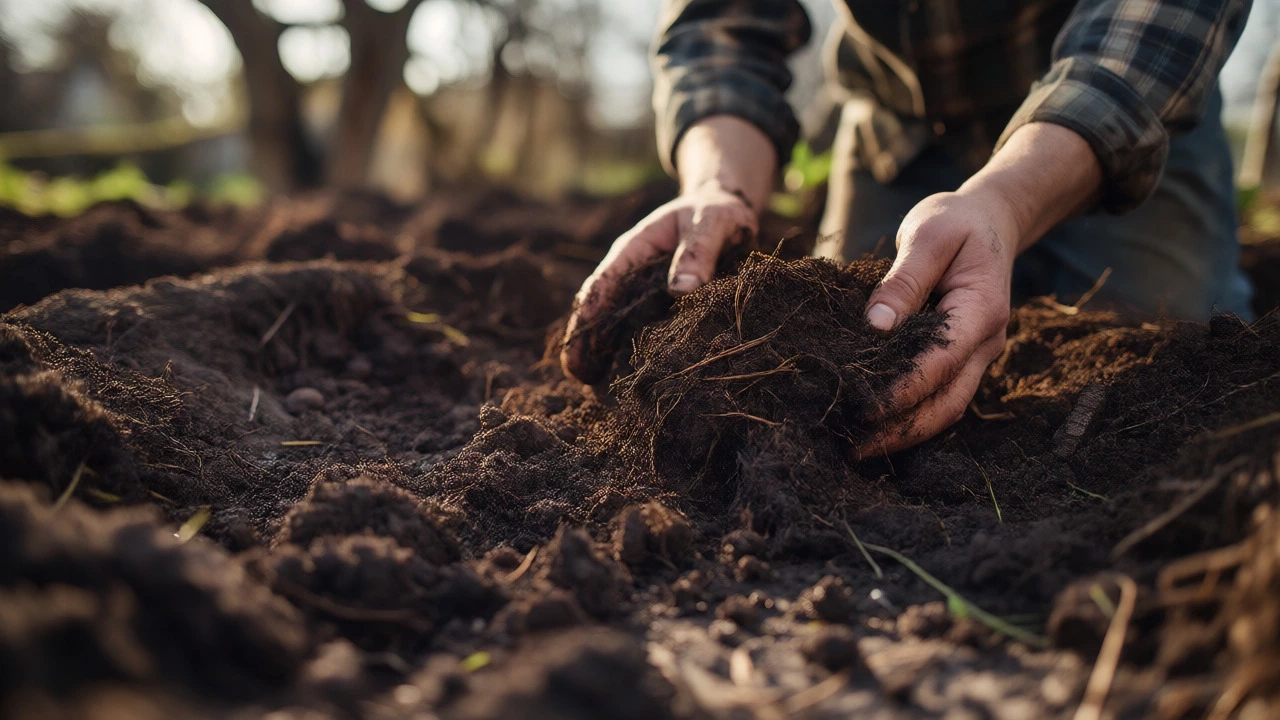
Technically, the very first "thing" you introduce to your garden bed isn’t a living plant at all. It’s organic matter. Experienced gardeners know that throwing seeds into compacted, nutrient-poor dirt is like trying to build a house on sand. Before any green shoots appear, you need to amend the soil. This might look like spreading three inches of compost, mixing in aged manure, or planting a cover crop like winter rye in the fall.
If we’re talking strictly about living plants introduced in the current season, however, the answer shifts. For most temperate climates in the Northern Hemisphere, the first actual plantings happen when the soil temperature hits 40°F (4°C). At this point, the ground is workable but still chilly. This is where cool-season crops enter the chat. These are the heavy hitters of early spring because they thrive in frost. They don’t panic when temperatures dip; they actually taste better after a light freeze.
Cool-Season Crops: The Real Pioneers
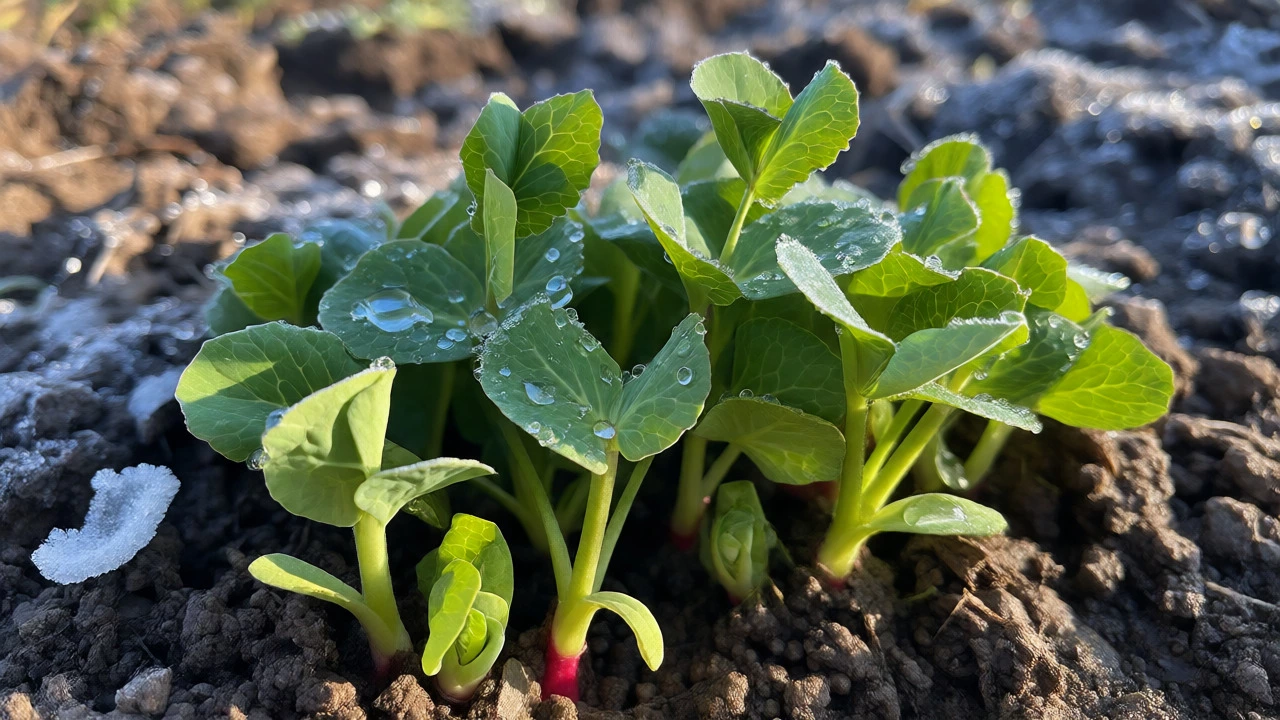
If you live in zones 3-7, the first plants you sow directly into the garden are typically hardy vegetables. We’re talking about spinach, kale, peas, radishes, and lettuce. Why these? Because they have built-in antifreeze. Their cells produce sugars that lower their freezing point, allowing them to survive nights that would kill a pepper plant instantly.
Radishes are often the absolute first seed sown. They germinate in as little as 3-5 days even in cold soil. Planting them serves two purposes: you get an early harvest, and their roots help break up compacted earth. Peas are another top contender. They fix nitrogen from the air into the soil, feeding the beds for later summer crops like tomatoes. By planting peas first, you’re essentially hiring free fertilizer workers for your garden.
| Climate Zone | First Direct Sow | Soil Temp Required | Reason for Priority |
|---|---|---|---|
| Zones 3-5 (Cold) | Spinach, Peas, Radishes | 40°F (4°C) | Frost tolerance; quick maturity before heat arrives. |
| Zones 6-8 (Moderate) | Kale, Lettuce, Onions | 45°F (7°C) | Long growing season allows for succession planting. |
| Zones 9-11 (Warm) | Beans, Squash, Herbs | 60°F (15°C) | Winter is the main growing season; spring is too hot. |
Perennials and Bulbs: The Fall Starters
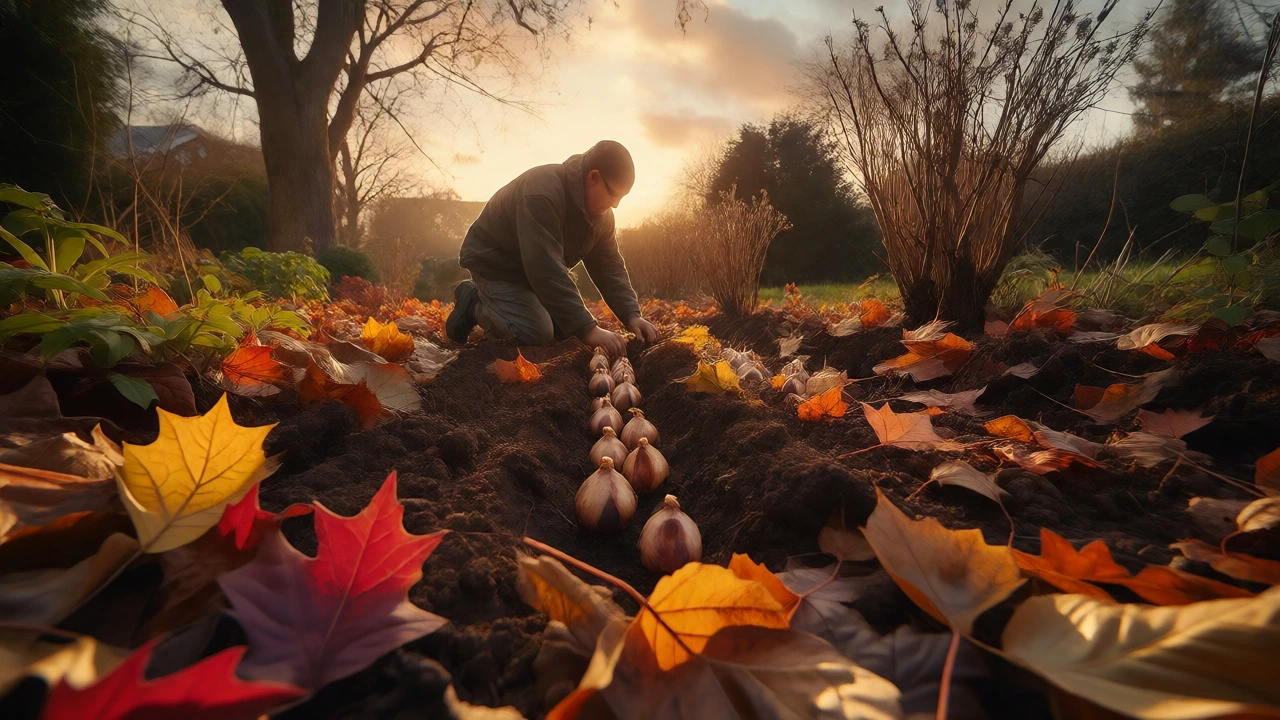
Here’s a twist: for many gardens, the "first" planting happens months before spring arrives. In October and November, gardeners plant spring-blooming bulbs like tulips, daffodils, and crocuses. These aren’t planted for immediate gratification. They need a period of cold dormancy-usually 12-16 weeks below 40°F-to trigger blooming. If you wait until April to buy tulip bulbs, you’ve missed the window entirely.
Similarly, perennial shrubs like lilacs, hydrangeas, and fruit trees are best planted in late autumn. The soil is still warm enough for root growth, but the air is cool, reducing stress on the plant. By the time spring rolls around, these perennials are already established underground, ready to shoot up while annuals are still struggling to germinate. So, if you define "first" by chronological order of activity, fall bulb planting is arguably the true start of the gardening year.
Hardiness Zones Determine Your Timeline
You can’t give a single date for "the first plant" because gardening is hyper-local. A gardener in Miami is planting peppers in January. A gardener in Minnesota is waiting until May. The USDA Hardiness Zone map is your primary tool here, but it’s not perfect. It tells you average minimum winter temps, not last frost dates or soil warmth.
A practical rule of thumb? Watch the forsythia bushes. When those yellow flowers bloom, the soil is generally warm enough for cool-season crops. When they fade, it’s time for peas. When lilacs bloom, it’s safe for potatoes. When apples bloom, you can risk tender crops like beans. Nature provides its own calendar, often more accurate than any almanac. Using phenology (nature’s timing) prevents the heartbreak of planting tomatoes during a late frost.
Flowers vs. Food: Different Priorities
If your garden is purely ornamental, the first plants are often different. Hardy annuals like pansies, violas, and snapdragons go in first. They tolerate chill and provide instant color when nothing else is alive. Many landscapers plant these in early spring because they bridge the gap between winter gray and summer vibrance.
For vegetable gardeners, the priority is yield and succession. You want to maximize space. Planting fast-growing greens like arugula or bok choy first means you can harvest them in 30-40 days. Then, you pull them out and replant that spot with slower-growing crops like squash or cucumbers. This technique, called interplanting, relies on knowing exactly which plants mature fastest. Radishes and leafy greens are the champions of speed, making them ideal candidates for the first slot in your rotation.
Pitfalls to Avoid When Planting Early
Eagerness is the enemy of good gardening. The biggest mistake beginners make is ignoring soil moisture. You can check the temperature, but if the soil is soggy, walking on it compacts it further. Compacted soil suffocates roots. Always do the "squeeze test": grab a handful of soil. If it forms a tight mud ball, wait. If it crumbles slightly, it’s ready.
Another trap is over-seeding. Because early crops grow slowly, beginners often think they need to pack seeds tightly. Don’t. Cool-season crops need airflow to prevent fungal diseases like damping off, which thrives in damp, crowded conditions. Thin your seedlings aggressively. It feels wrong to rip out baby plants, but crowded radishes end up looking like hairy tails instead of crisp snacks.
Practical Checklist for Your First Planting
Ready to get your hands dirty? Here’s a streamlined approach to ensure your first plantings stick:
- Check Soil Temp: Use a cheap kitchen thermometer. Stick it in the ground for 5 minutes. Below 40°F? Wait. Above 45°F? Go.
- Select Hardy Seeds: Look for packets labeled "cool season," "frost tolerant," or "direct sow." Avoid anything marked "transplant only" unless you have a greenhouse.
- Prepare Beds Now: Don’t till wet soil. Hand-rake debris and add compost on top. Let rain water it in.
- Sow Shallow: Most early seeds (lettuce, spinach) need light to germinate. Sprinkle on surface, press gently, don’t bury deep.
- Protect from Frost: Keep row covers or old sheets handy. Even hardy crops appreciate a blanket during a hard freeze.
Remember, gardening isn’t about perfection. It’s about observation. The first plant you put in the ground teaches you about your specific microclimate. Maybe your south-facing wall warms up faster than the rest of the yard. Maybe your clay soil stays wet longer. Adjust next year based on what survived this year. That’s the real secret: the garden tells you what it wants, if you listen.
Can I plant tomatoes first?
Generally, no. Tomatoes are warm-season crops that suffer if planted before soil temperatures reach 60°F (15°C). If you plant them too early, they stunt and become susceptible to disease. Save tomatoes for late spring or early summer, after the danger of frost has passed completely.
What is the easiest plant to start with for beginners?
Radishes and lettuce are widely considered the easiest first plants. Radishes germinate quickly (3-5 days) and tolerate cold soil. Lettuce grows fast and can be harvested young. Both provide quick feedback, helping new gardeners learn about watering and thinning without waiting months for results.
Do I need to fertilize before planting the first crops?
Not necessarily synthetic fertilizer. Mixing in 2-3 inches of compost or well-aged manure before planting is usually sufficient for most home gardens. Compost improves soil structure and provides slow-release nutrients. Avoid high-nitrogen fertilizers for root crops like carrots, as they cause leafy tops with small roots.
When should I plant spring bulbs?
Spring-blooming bulbs like tulips and daffodils should be planted in autumn, typically October or November, depending on your zone. They require a cold period to bloom. If you miss the fall window, you can sometimes find pre-chilled bulbs in early spring, but success rates are lower.
How do I know if my soil is ready to work?
Perform the squeeze test. Take a handful of soil from 4-6 inches deep. Squeeze it firmly. If it forms a sticky mud ball that doesn't crumble, it's too wet. If it breaks apart easily into crumbs, it's ready. Working wet soil destroys its structure, leading to compaction issues later.