2026 Decor Style Finder
Select the aesthetic that resonates most with you:
Warm Minimalism
Earthy tones, clean lines, organic textures.
Biophilic Design
Plants, natural light, connecting with nature.
Curated Clutter
Personal collections, vintage items, maximalist.
Circular Design
Upcycled materials, second-hand, eco-conscious.
Walk into any modern living room in Durban right now, and you might notice something missing. The stark white walls are gone. The cold, sterile "Instagram aesthetic" that dominated our feeds for years has finally packed its bags. We are done with homes that look like showrooms but feel like hospitals. So, what is replacing it? If you are wondering what is the next decor trend, the answer isn't a single color or a specific piece of furniture. It is a shift in philosophy. We are moving toward spaces that breathe, heal, and tell a story.
In 2026, the biggest movement in interior design is what I call "Warm Minimalism meets Biophilic Chaos." It sounds contradictory, doesn't it? But this is exactly where the magic happens. We are stripping back the clutter, yes, but we are filling that empty space with life-real plants, natural textures, and imperfect, handmade objects. Your home is no longer just a place to store your stuff; it is a sanctuary designed to lower your cortisol levels. Let’s break down exactly how to achieve this look without spending a fortune.
The Rise of Warm Minimalism
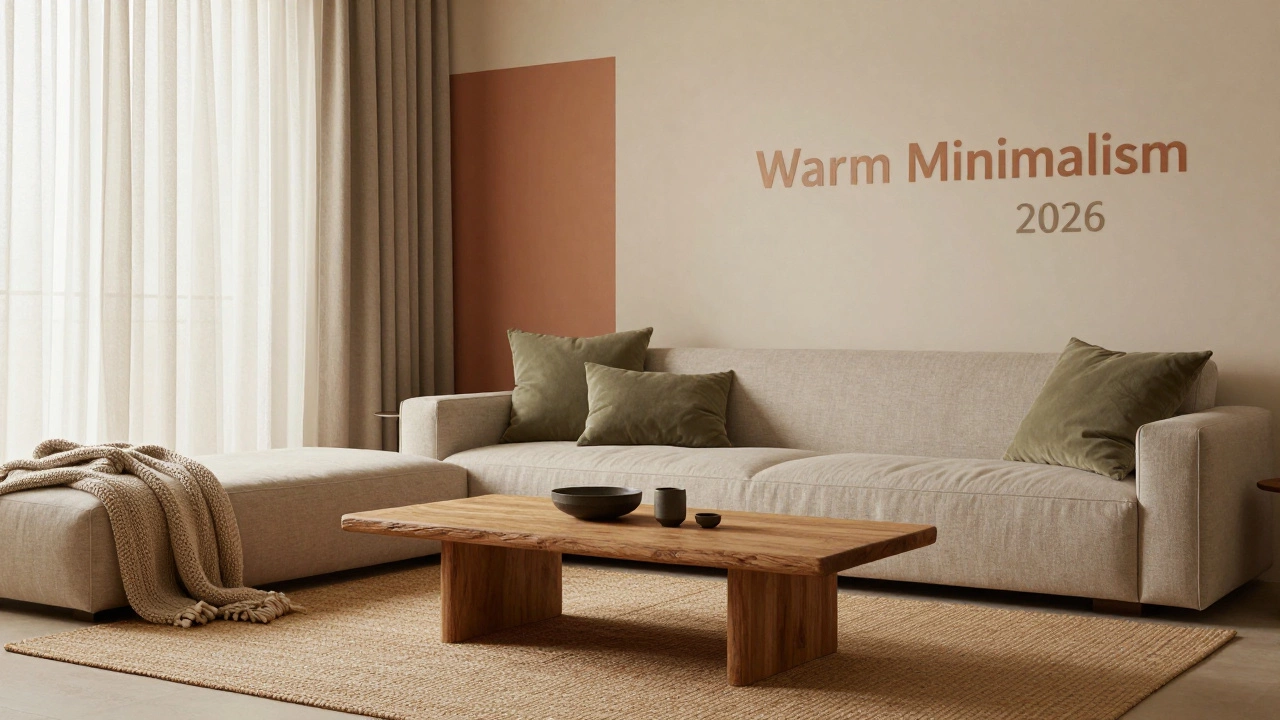
Minimalism used to mean white everything. Think sleek lines, hidden storage, and zero personality. That era is over. Warm Minimalism is an interior design style that combines clean lines and uncluttered spaces with rich textures, earthy tones, and organic materials. It keeps the functionality of minimalism but adds the soul that was previously stripped away.
How do you spot this trend? Look at the palette. Instead of pure white, you will see creams, beiges, terracottas, and soft olives. These colors absorb light rather than reflecting it harshly, creating a cozy atmosphere even on cloudy days. In my own apartment here in KZN, I swapped out my glossy white coffee table for a rough-hewn oak one. The difference is night and day. The room feels grounded. It feels real.
This approach also means being ruthless about clutter, but generous with texture. You don’t need fewer things if those things are beautiful and tactile. A chunky knit throw, a linen curtain, a woven rug-these add layers of comfort that invite you to sit down and stay. It is about quality over quantity, but specifically, quality that feels good to touch.
Biophilic Design: Bringing the Outside In
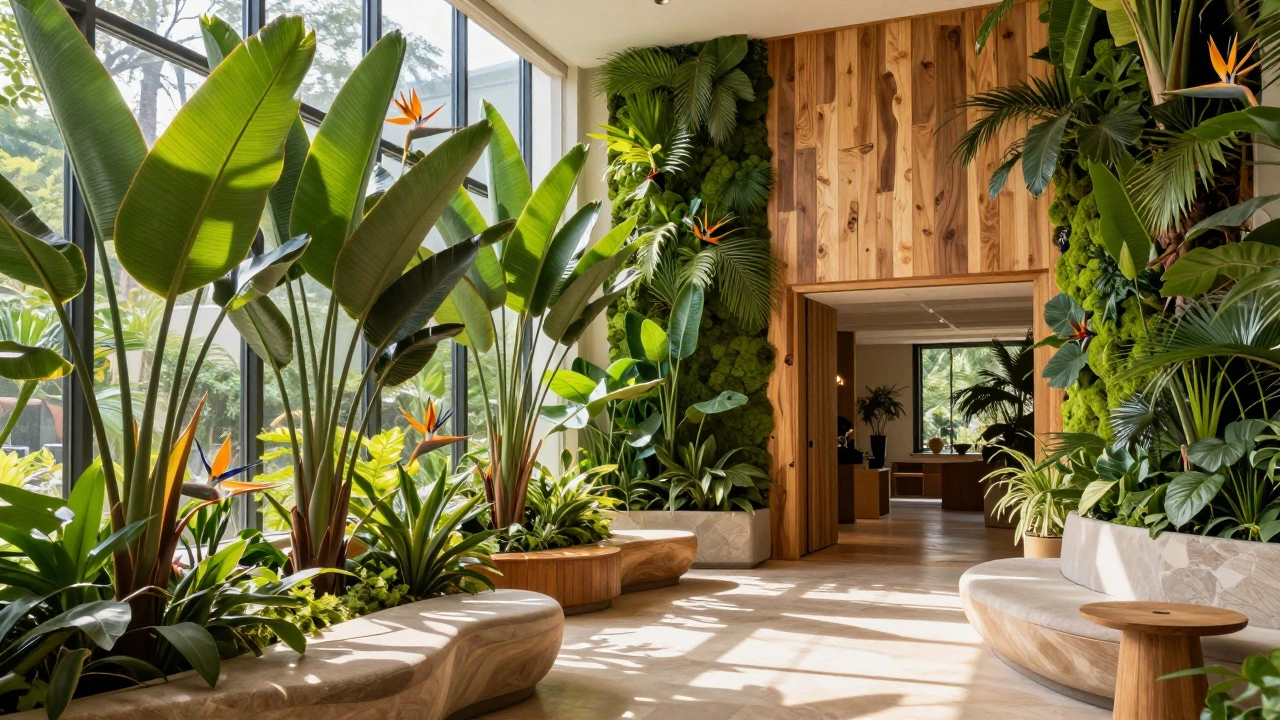
If Warm Minimalism is the skeleton, Biophilic Design is the practice of connecting building occupants more closely to nature through indoor plants, natural light, and organic shapes. This is not just having a potted fern in the corner. This is integrating nature into the very fabric of your home.
Research from the University of Exeter has shown that simply looking at plants can reduce stress by up to 15%. In 2026, we are taking this science seriously. We are seeing massive floor-to-ceiling planters, vertical gardens in bathrooms, and even moss walls in entryways. But it goes beyond greenery. It is about mimicking nature’s patterns. Think curved furniture instead of sharp angles. Think wood grains, stone veins, and water features that provide auditory calm.
In Durban, where the humidity can make heavy curtains suffocating, I’ve seen people replace them with sheer linen drapes that let the breeze and light filter through, much like leaves in a canopy. Pair this with large, native plants like Bird of Paradise or Strelitzia, which thrive in our subtropical climate, and you create a seamless transition between your indoor and outdoor living spaces.
Maximalist Nostalgia and Curated Clutter
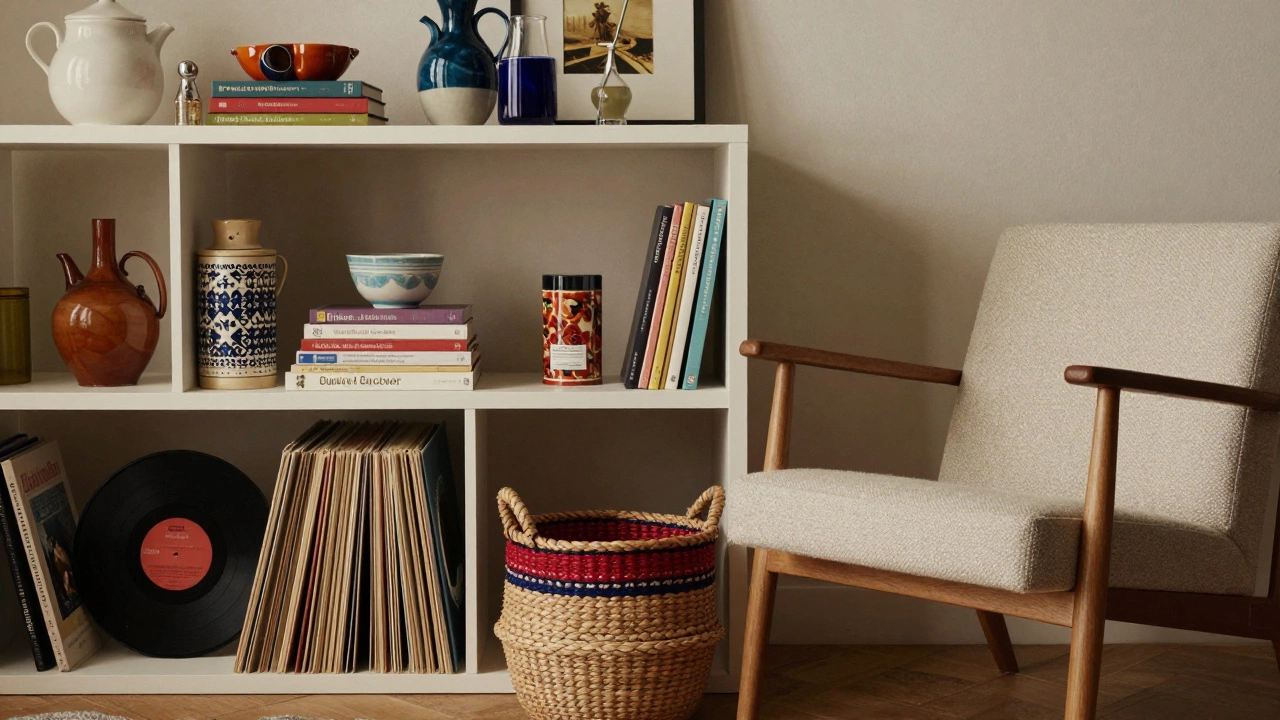
Wait, didn’t we just talk about minimalism? Yes, but here is the twist: while the *structure* of the room is minimal, the *decor* is becoming increasingly personal and maximalist. This is the rise of "Curated Clutter." People are tired of generic, mass-produced decor items that could be found in any hotel lobby. They want objects with history.
This trend encourages you to display your collections. Books, vinyl records, vintage ceramics, travel souvenirs-these are no longer shoved into boxes. They are arranged on open shelving, creating visual interest and conversation starters. It is called "Dopamine Decor," and it is all about surrounding yourself with things that make you happy.
I recently visited a friend’s home in Umhlanga, and her dining wall was covered in a gallery wall of mismatched frames containing everything from old family photos to abstract art she bought at a local market. It looked chaotic at first glance, but upon closer inspection, there was a rhythm to it. The key is cohesion through color or frame style, allowing the individual pieces to shine. It is authentic, it is messy, and it is incredibly stylish.
Sustainable and Upcycled Materials
You cannot talk about 2026 decor without talking about sustainability. Consumers are more aware than ever of the environmental impact of fast furniture. The next big trend is Circular Design is an economic system aimed at eliminating waste and the continual use of resources through recycling, reusing, and repairing. In home decor, this means buying second-hand, upcycling old pieces, and choosing materials that are biodegradable or recyclable.
We are seeing a surge in popularity for reclaimed wood furniture, rattan accents, and ceramics made from local clay. Brands that use plastic-free packaging and transparent supply chains are winning over shoppers. But you don’t need to buy new to participate in this trend. Visit your local flea markets or browse online resale platforms. A mid-century modern chair from the 70s, reupholstered in a durable, eco-friendly fabric, often looks better and lasts longer than its brand-new counterpart.
In South Africa, we have a rich tradition of craft. Supporting local artisans who weave baskets, bead jewelry, or carve wood not only reduces carbon footprint but also brings unique cultural elements into your home. It is decor with a conscience.
| Trend Name | Key Characteristics | Best For | Budget Level |
|---|---|---|---|
| Warm Minimalism | Earthy tones, clean lines, natural textures | Small spaces, busy professionals | Moderate |
| Biophilic Design | Plants, natural light, organic shapes | Wellness-focused individuals | Low to High |
| Curated Clutter | Personal collections, vintage items, bold colors | Creatives, collectors | Variable |
| Circular Design | Upcycled materials, second-hand, local crafts | Eco-conscious consumers | Low |
Smart Home Integration: Invisible Tech
Technology is still part of the decor conversation, but it is hiding. The flashy smart speakers and exposed wires are out. The new standard is "Invisible Tech." Smart lighting that adjusts to your circadian rhythm, hidden charging stations built into side tables, and voice-controlled blinds that operate silently. The goal is to enhance comfort without distracting the eye.
Think about lighting. Harsh overhead LEDs are being replaced by layered lighting schemes using dimmable bulbs, floor lamps, and candles. Smart switches allow you to set scenes-"Movie Night" dims the lights and closes the blinds automatically. This integration makes the home feel responsive and intuitive, adding to the sense of well-being without dominating the visual landscape.
How to Start Today
So, how do you apply these trends without renovating your entire house? Start small. Swap out your cold white sheets for linen in a warm beige tone. Add one large, statement plant to your living room. Clear off one surface completely, then place three meaningful objects on it-a book, a candle, a photo. These small changes accumulate to create a significant shift in mood and style.
Remember, trends are guides, not rules. The best decor reflects who you are. If you love bright colors, embrace them within a warm minimalist framework. If you hate plants, focus on natural textures like wood and stone. The core principle remains: create a space that feels good to live in, not just good to look at.
What is the most popular color trend for 2026?
The dominant color palette for 2026 revolves around earthy neutrals. Expect to see lots of warm whites, creamy beiges, terracotta, olive green, and soft browns. These colors create a calming, grounded atmosphere that contrasts with the cool grays and whites of previous years.
Is minimalism still in style in 2026?
Yes, but it has evolved into "Warm Minimalism." While the principle of decluttering remains, the aesthetic is softer and more textured. It focuses on quality pieces with natural materials and earthy tones, rather than stark, sterile environments.
How can I incorporate biophilic design on a budget?
You don't need expensive installations. Start by adding low-maintenance houseplants like Snake Plants or Pothos. Use natural materials like wooden trays, cotton curtains, and jute rugs. Maximize natural light by keeping windows clean and using sheer treatments.
What is "Curated Clutter"?
Curated Clutter is a trend that encourages displaying personal items and collections openly. Instead of hiding books, art, and souvenirs, they are arranged aesthetically on shelves or walls to add personality and warmth to the space.
Are vintage furniture pieces trending in 2026?
Absolutely. Vintage and second-hand furniture are highly sought after due to the rise of circular design and sustainability. Unique, high-quality pieces from the past add character and reduce environmental impact compared to fast furniture.