Decluttering Priority Planner
Answer a few quick questions and get a personalized room-by-room decluttering order based on daily friction.
Select every room that feels chaotic or causes you daily stress.
Walking into a cluttered house can feel like wading through mud. You want to fix it, but where do you even start? Most people make the mistake of picking the room they *want* to look good first, like the living room or bedroom. That’s a trap. If you tackle the visible spaces before the hidden ones, you’ll just move the mess around. The real answer to what room to declutter first isn’t about aesthetics; it’s about friction.
You need to identify the space that causes you the most daily stress or inefficiency. This is your primary target. By starting here, you create immediate momentum. Your brain registers success, which fuels the next step. Let’s break down how to find that specific room and why the order matters more than the effort.
The Friction Test: Finding Your Priority Zone
Before grabbing a trash bag, pause. Ask yourself three questions. Which room makes you sigh when you walk in? Where do you spend the most time searching for things? And where does clutter accumulate fastest? These answers point to your high-friction zones. For many households, this is not the bedroom, despite what social media suggests. It’s often the kitchen or the entryway.
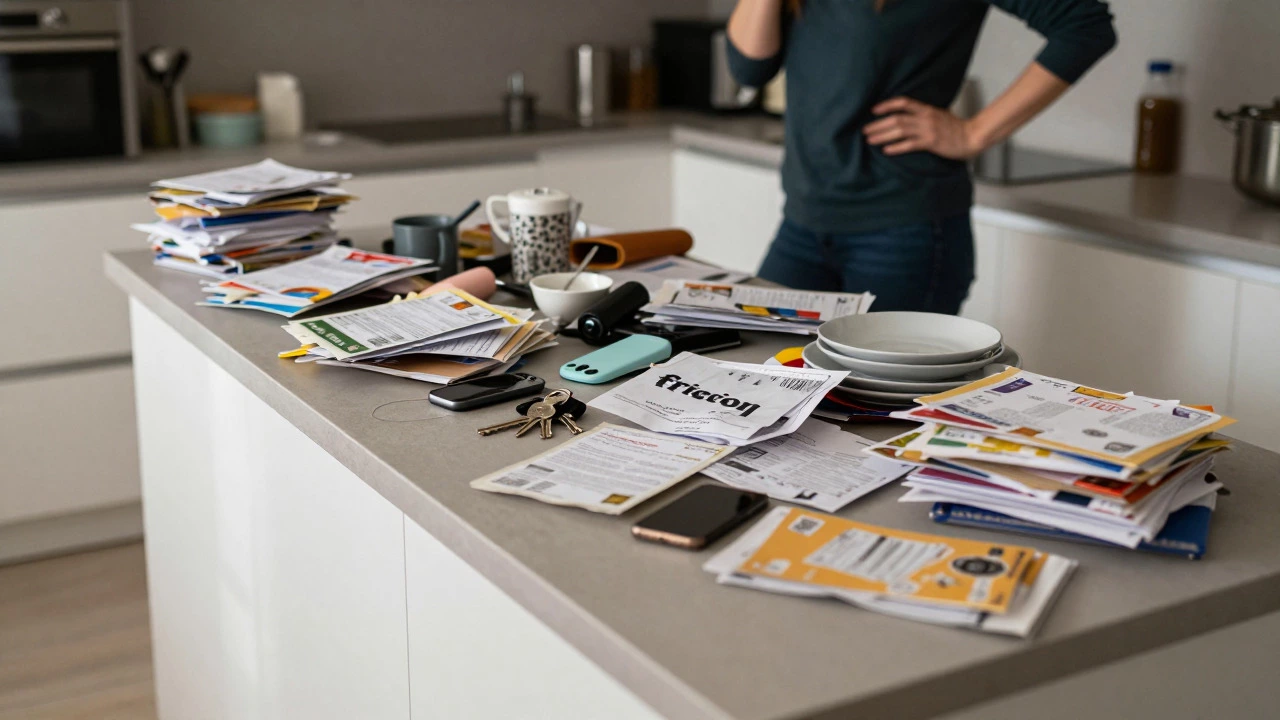
Kitchens are high-traffic hubs. If your counters are buried under mail, keys, and random gadgets, your morning routine slows down. Every second spent hunting for the coffee filter adds up. Entryways are similar. They are transition zones. If shoes, bags, and coats pile up in the hallway, you trip over them every single day. Fixing these areas yields an immediate quality-of-life boost because they are used constantly.
Why the Kitchen Usually Comes First
If your kitchen is chaotic, start there. It is the heart of the home. Clutter here affects cooking, cleaning, and mental clarity. Begin with the surfaces. Counters should be clear except for one or two items you use daily, like a fruit bowl or a toaster. Everything else goes back to its designated spot or gets donated.
Cabinets are the next step. Open each door. Take out everything. Wipe the shelf. Then put back only what you actually use. If you have three identical spatulas, keep one. If you have a blender you haven’t touched in two years, box it up. This process forces you to confront unused items. It feels painful at first, but the relief of having empty cabinet space is addictive. Once your kitchen flows, your energy levels rise, making the next room easier to tackle.
The Entryway: Small Space, Big Impact
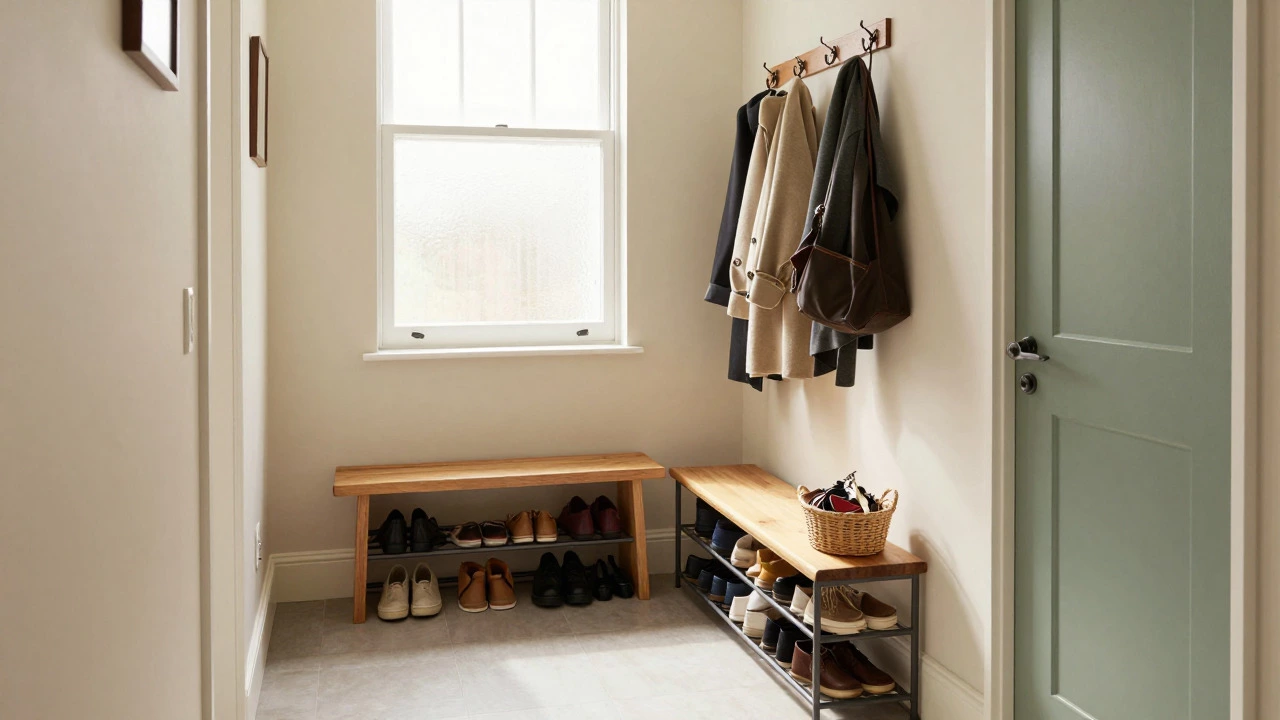
If the kitchen is already manageable, look at your entryway. This area is small, so it’s quick to finish. But it has outsized importance. It’s the first thing you see when you come home and the last thing you see when you leave. A messy entryway sets a tone of chaos for the rest of the day.
Create a dedicated drop zone. Install hooks for bags and coats. Add a bench or a shoe rack. Place a basket for keys and wallets. The rule is simple: if it doesn’t fit on the hook, in the basket, or on the rack, it doesn’t belong in the entryway. Mail goes in a tray, not on the floor. Shoes stay in the rack, not scattered by the door. Because this room is small, you can declutter it in under an hour. That quick win builds confidence for larger tasks.
Bedrooms: Rest Before Productivity
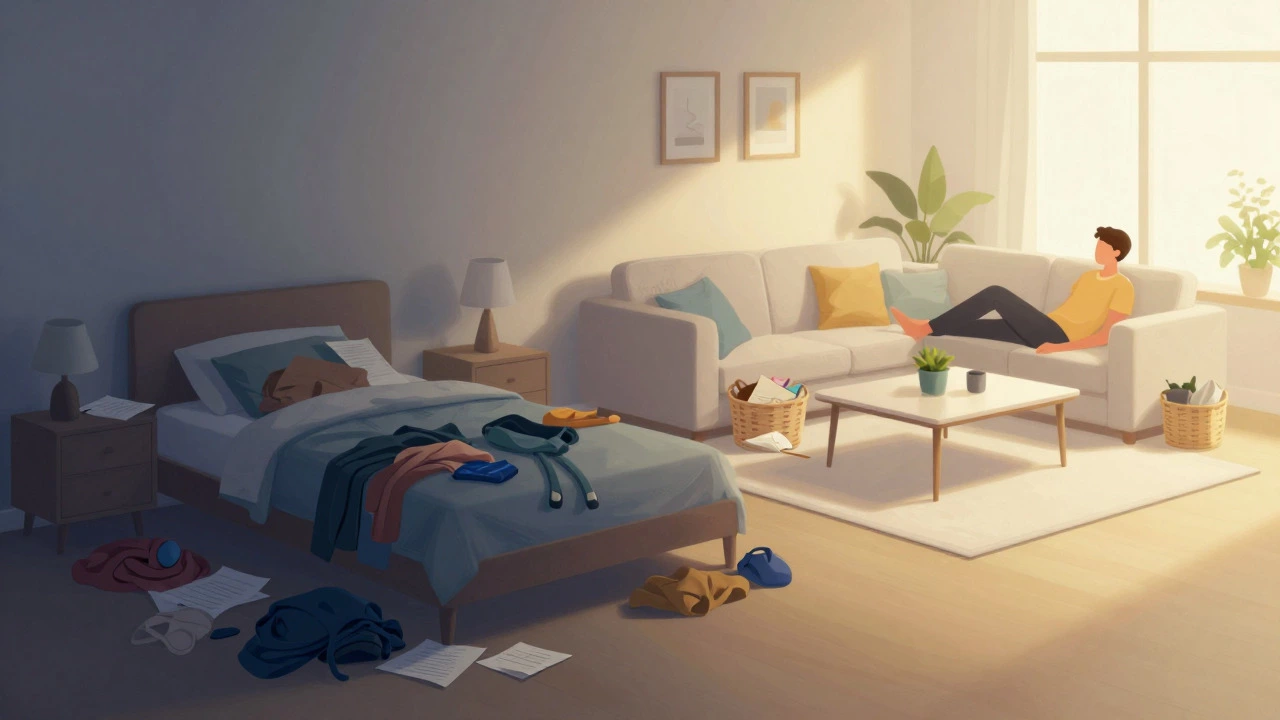
Many people skip the bedroom because it feels personal. But a cluttered bedroom disrupts sleep. You lie awake staring at piles of clothes or papers on the nightstand. Your brain stays in "problem-solving" mode instead of relaxing. Start with the floor. Pick up every item. Sort them into four piles: keep, donate, trash, and relocate. Relocate means the item belongs elsewhere in the house. A book belongs in the study, not the bedroom. A charger belongs in the office, not under the bed.
Once the floor is clear, address the drawers. Use the same method as the kitchen. Take everything out. Keep only what you wear regularly. Donate outgrown or rarely worn clothes. Empty drawer space allows you to fold clothes neatly, which prevents future clutter. A tidy bedroom improves sleep quality, which in turn gives you more energy to organize other rooms.
Living Rooms and Offices: The Social and Work Spaces
After handling high-friction functional spaces, move to social and work areas. Living rooms are for relaxation. If they’re filled with remote controls, magazines, and kids’ toys, it’s hard to unwind. Create a central bin for toys or media remotes. Clear the coffee table. Use baskets to hide miscellaneous items. The goal is visual calm. You want the room to invite rest, not remind you of chores.
Home offices are different. They require focus. Clutter here distracts from work. Organize your desk surface first. Keep only active projects visible. File away completed documents. Manage cables with clips or sleeves. A clean desk signals to your brain that it’s time to work. It reduces decision fatigue. When your workspace is organized, productivity naturally increases.
Basements, Garages, and Storage Areas
Skip these until the end. Basements and garages are low-visibility spaces. Clutter here doesn’t impact your daily routine as much. However, they are often where forgotten items go. Tackle them last because they are the hardest. You have to decide what to do with old boxes, seasonal decorations, and broken appliances. Since they aren’t seen daily, the pressure is lower. Save these for when you have more time and energy. Starting here leads to burnout because the payoff isn’t immediate.
| Room Type | Priority Level | Reason for Order | Time Estimate |
|---|---|---|---|
| Kitchen | High | Daily usage, high friction, impacts health and routine | 4-6 hours |
| Entryway | High | Transition zone, quick win, sets daily tone | 1-2 hours |
| Bedroom | Medium-High | Affects sleep and rest, personal sanctuary | 3-5 hours |
| Living Room | Medium | Social space, visual calm needed for relaxation | 2-4 hours |
| Home Office | Medium | Work efficiency, focus and productivity | 2-3 hours |
| Basement/Garage | Low | Low visibility, high difficulty, save for later | 8+ hours |
Maintaining the Momentum
Decluttering is not a one-time event. It’s a habit. To keep rooms organized, follow the "one in, one out" rule. If you buy a new shirt, donate an old one. If you get a new mug, give away an old one. This prevents accumulation. Also, schedule a 10-minute reset each evening. Put things back where they belong. Clear counters. Hang up coats. Small daily actions prevent large weekly crises. Consistency beats intensity. You don’t need to overhaul your whole house in a weekend. You need to maintain the order you’ve created.
Frequently Asked Questions
Should I declutter the bedroom or kitchen first?
Start with the kitchen if it causes daily friction. If the kitchen is already organized, start with the bedroom to improve sleep. Both are high-priority, but the kitchen usually has more immediate daily impact on routines and efficiency.
How long does it take to declutter a room?
It depends on the size and clutter level. An entryway takes 1-2 hours. A kitchen takes 4-6 hours. A bedroom takes 3-5 hours. Larger spaces like basements can take 8+ hours. Break tasks into smaller chunks to avoid burnout.
What is the best way to handle sentimental items?
Create a dedicated memory box. Limit it to one medium-sized box per family member. Only items that bring genuine joy or strong positive memories stay. Everything else gets donated or archived digitally. This prevents sentimentality from clogging up entire rooms.
Do I need special tools to declutter?
No. You just need trash bags, boxes for donations, and a pen to label items. Simple supplies are enough. Avoid buying expensive organizers before you know what you’re keeping. Buy storage solutions only after you’ve sorted your belongings.
How do I stop clutter from coming back?
Implement the "one in, one out" rule. Do a 10-minute nightly reset. Assign a home for every item. Regularly review your possessions quarterly. Consistent small habits prevent major decluttering sessions from being necessary every few months.