Coffee Grounds Plant Compatibility & Dosage Calculator
Select a category above to see plants...
Recommended Dosage:
Relative amount compared to maximum safe limitFrequency Schedule:
Method-Specific Tips:
Quick Facts
Watch Out For:
That morning cup of joe is great, but what about the leftover sludge? If you’re tossing your used coffee grounds into the trash, you are missing out on a free, nutrient-rich resource for your garden. But here is the catch: dumping them randomly can actually harm your plants. So, how often should you put coffee grounds on your plants? The short answer is: sparingly and consistently.
Using coffee grounds as a soil amendment is popular because it adds nitrogen, improves soil structure, and attracts earthworms. However, it is not a magic bullet. To get the benefits without the risks-like acidifying your soil too much or creating a moldy crust-you need a strategy. Let’s break down exactly when, where, and how to use this kitchen waste effectively.
The Reality of Coffee Grounds in Soil
Before we talk frequency, let’s clear up a massive myth. Many gardeners believe that coffee grounds make soil highly acidic. In reality, once the coffee is brewed, the grounds are nearly neutral, with a pH between 6.5 and 6.8. They do not drastically lower soil acidity like lemon juice or vinegar would. This means they are safe for most plants, not just acid-lovers like blueberries or azaleas.
The real value lies in their composition. Used coffee grounds contain roughly 1-2% nitrogen by weight. While this isn’t huge compared to synthetic fertilizers, it is a slow-release source of nutrients. As the grounds decompose, microbes break them down, releasing nitrogen into the soil over time. They also add organic matter, which helps sandy soils retain water and improves drainage in clay-heavy soils.
| Nutrient/Attribute | Used Coffee Grounds | Mature Compost |
|---|---|---|
| Nitrogen Content | ~1.5% | Variable (0.5-1%) |
| pH Level | Neutral (6.5-6.8) | Neutral to Slightly Acidic |
| Decomposition Speed | Slow (weeks to months) | Immediate availability |
| Soil Structure Impact | Improves aeration & drainage | Retains moisture & nutrients |
How Often Should You Apply Them?
Frequency depends entirely on how you apply them. There is no single "once a week" rule that works for every plant. Here are the three best methods and their schedules.
1. Top Dressing (The Most Common Method)
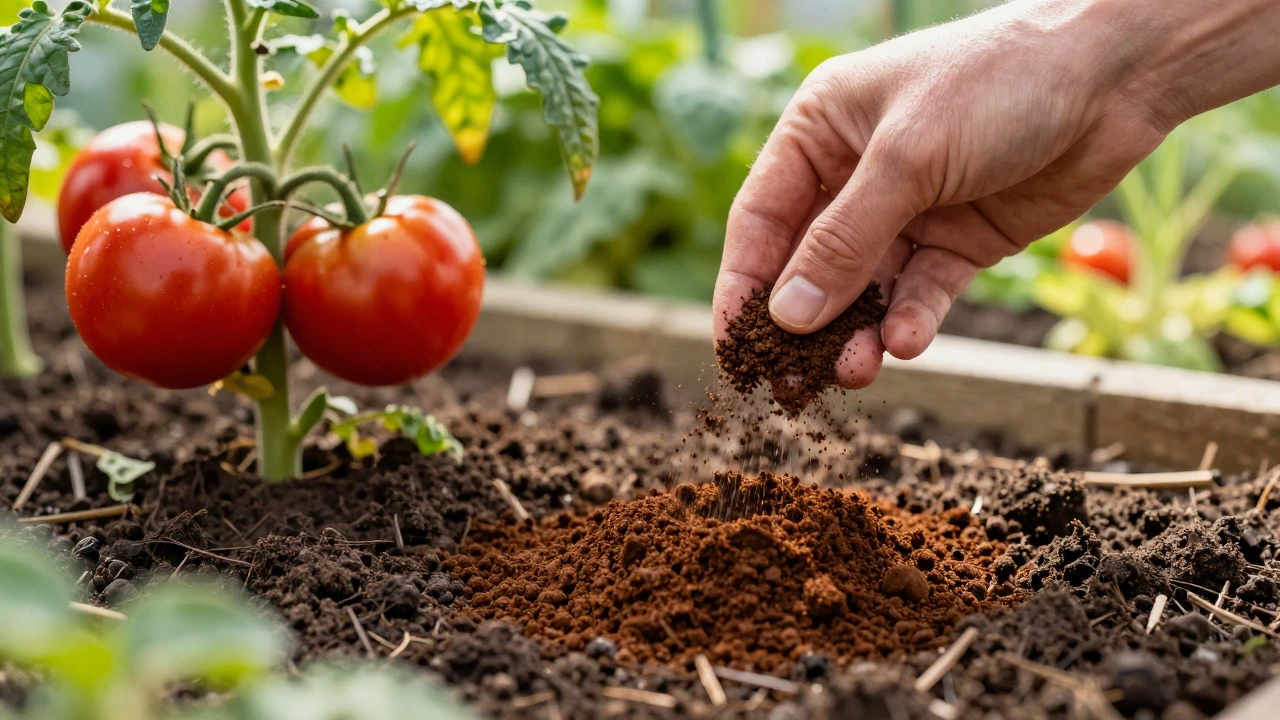
This involves sprinkling a thin layer of dry or damp grounds directly onto the soil surface around your plants. Think of it like a light dusting, not a thick blanket.
- Frequency: Once every 2 to 4 weeks during the growing season.
- Why this schedule? Applying them too often creates a hydrophobic layer. When wet, coffee grounds can mat together and form a crust that repels water, preventing it from reaching roots. A monthly application allows the previous layer to integrate into the soil before adding more.
- Best for: Roses, tomatoes, peppers, and leafy greens.
2. Mixing Into Compost (The Safest Bet)
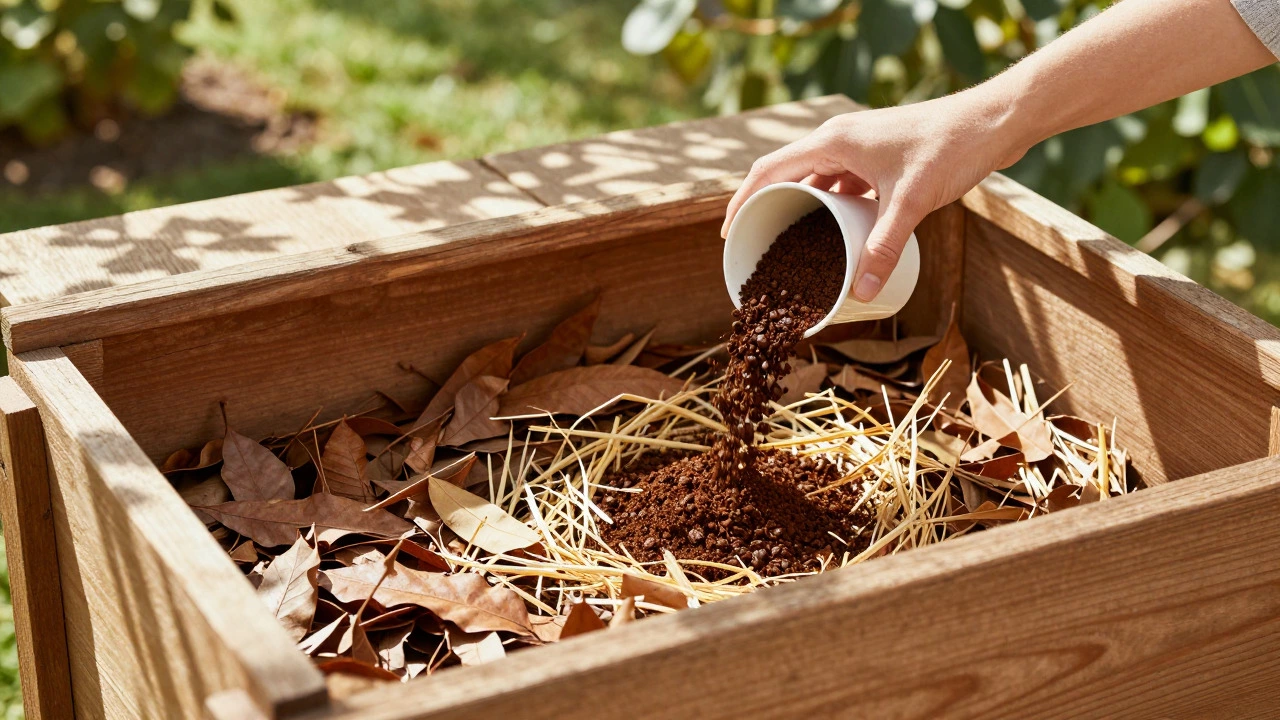
If you have a compost bin, this is the ideal place for your grounds. Coffee grounds are considered "green" material because of their nitrogen content. They help heat up the pile and speed up decomposition.
- Frequency: Daily or whenever you brew coffee.
- Ratio: Keep it balanced. For every cup of grounds, add two cups of "brown" material like dried leaves, cardboard, or straw. This prevents the pile from becoming too wet and smelly.
- Benefit: By the time you use the finished compost, the grounds have fully broken down, eliminating any risk of crusting or uneven nutrient distribution.
3. Liquid Fertilizer Tea
You can steep used grounds in water to create a nutrient-rich liquid. Strain the solids and pour the dark water onto your plants.
- Frequency: Once a month.
- Method: Fill a jar one-third full with wet grounds, top with water, and let it sit for 24-48 hours. Dilute 1:1 with plain water before watering your plants.
- Note: This method delivers nutrients quickly but lacks the soil-structure benefits of solid grounds.
Which Plants Love Coffee Grounds?
Not all plants react the same way. Some thrive with the extra nitrogen and slight acidity, while others might suffer if overfed.
Acid-Loving Plants: Even though used grounds are near-neutral, they still benefit plants that prefer slightly acidic conditions. These include:
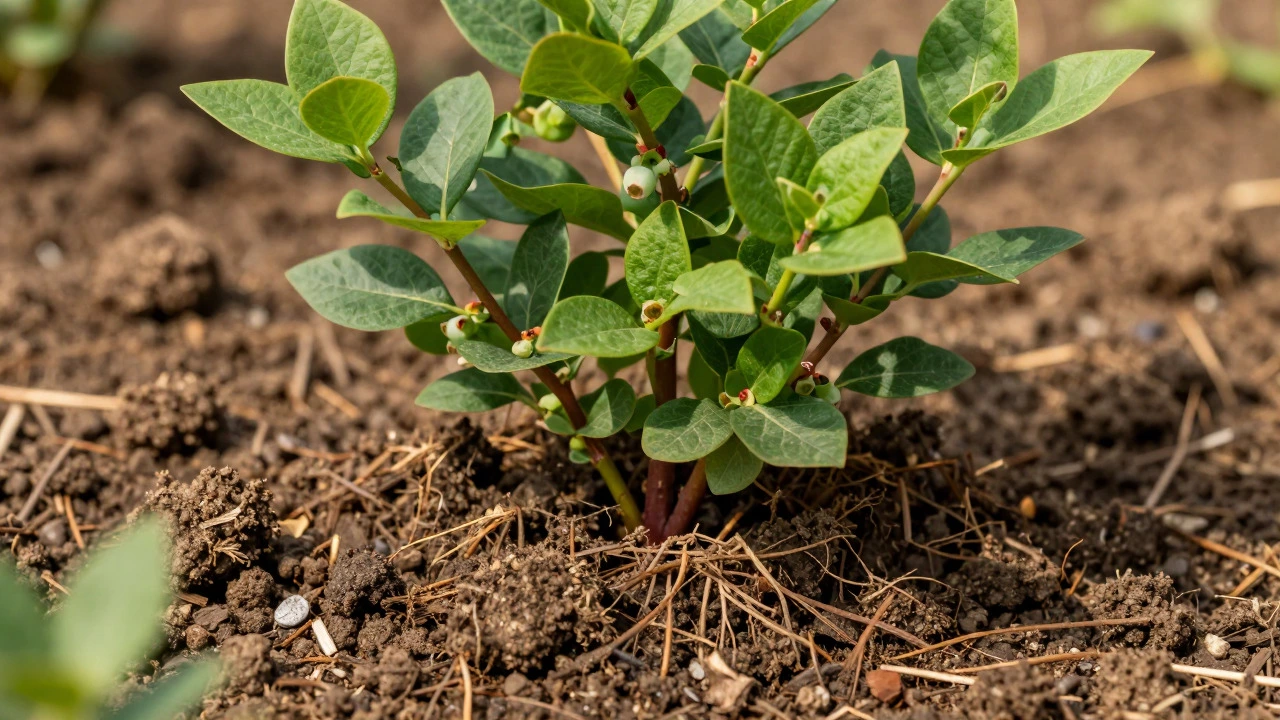
- Blueberries: They love the trace minerals and improved soil texture.
- Azaleas and Rhododendrons: Use sparingly to avoid compaction.
- Hydrangeas: Can help maintain pink/blue coloration depending on soil chemistry.
- Cranberries: Benefit from the low-pH environment.
Veggie Garden Favorites: Nitrogen-hungry vegetables respond well to the slow release:
- Tomatoes: Sprinkle lightly around the base to support leaf growth.
- Peppers: Similar to tomatoes, they appreciate the nutrient boost.
- Leafy Greens: Spinach, lettuce, and kale grow faster with adequate nitrogen.
Plants to Avoid (or Be Careful With)
Some plants are sensitive to nitrogen levels or prefer drier conditions. Overusing coffee grounds here can lead to lush foliage but fewer flowers or fruits, or even root rot.
- Lavender: Prefers poor, dry, alkaline soil. Coffee grounds may retain too much moisture and alter pH unfavorably.
- Rosemary: Like lavender, it thrives in gritty, fast-draining soil. Grounds can compact easily.
- Asparagus: Some gardeners report mixed results; it prefers high phosphorus, not just nitrogen.
- Seedlings: Never put grounds directly on young seeds or seedlings. The caffeine residue (even in small amounts) and microbial activity can inhibit germination or burn delicate roots.
Potential Pitfalls: What Can Go Wrong?
Even with good intentions, mistakes happen. Here is how to spot and fix common issues.
The Mold Problem
If you leave wet grounds on the soil surface, white mold will likely appear within days. While this mold is usually harmless to plants, it looks unsightly and can indicate excessive moisture. Solution: Always mix grounds into the top inch of soil rather than leaving them on the surface, or ensure they are completely dry before applying.
Ant Infestations
Coffee grounds can attract ants, especially if applied in large piles. Ants don’t eat the grounds, but they may nest in the loose material. Solution: Break up clumps and spread grounds thinly. If ants become a problem, rinse the area with water to wash away the grounds.
Nitrogen Lock-Up
Fresh, undecomposed organic matter requires nitrogen to break down. If you add a thick layer of grounds to bare soil without balancing it with carbon-rich materials, microbes might steal nitrogen from the soil temporarily, making it unavailable to plants. Solution: This is why composting first is safer. If applying directly, keep layers thin (less than 1/4 inch) and mix them in.
Pro Tips for Durban Gardens
Living in a subtropical climate like Durban, South Africa, brings unique challenges. High humidity and frequent rains mean moisture management is critical. In our warm weather, decomposition happens faster, which is good, but so does mold growth.
I recommend focusing on the composting method if you live in a humid area. It gives you control over the breakdown process. If you top-dress, do it early in the day so the sun can help dry the surface slightly. Also, consider mixing your grounds with banana peels or eggshells in your compost to add potassium and calcium, creating a more balanced organic fertilizer.
Summary Checklist
- Don't dump: Avoid large piles that cause crusting.
- Do mix: Incorporate into soil or compost for best results.
- Frequency: Every 2-4 weeks for direct application; daily for compost.
- Avoid: Seedlings, lavender, rosemary, and overly wet soil conditions.
- Test: If unsure about your soil pH, test it before starting. Coffee grounds won't fix severely alkaline soil on their own.
Can I use fresh coffee grounds instead of used ones?
Yes, but be cautious. Fresh grounds have higher acidity and more caffeine, which can inhibit plant growth if used in large quantities. It is generally safer to use used grounds, as the brewing process removes most of the caffeine and neutralizes the pH. If using fresh grounds, compost them first or use very sparingly.
Do coffee grounds really deter slugs and snails?
This is a debated topic. Some gardeners swear by it, claiming the abrasive texture irritates slugs. However, studies show that coffee grounds are not a reliable long-term barrier. Slugs often tunnel through them, especially if the grounds are moist. For serious slug problems, combine grounds with copper tape or iron phosphate baits for better results.
How many cups of coffee grounds should I use per plant?
A general rule is 1 to 2 tablespoons per medium-sized plant, spread thinly around the base. For larger shrubs or trees, you can use up to half a cup, but always mix it into the topsoil. Remember, less is more. You want to supplement, not overwhelm, the soil ecosystem.
Can coffee grounds kill my plants?
Indirectly, yes. If you create a thick, impermeable crust, roots can suffocate due to lack of oxygen, or water may run off instead of soaking in, leading to drought stress. Additionally, if you apply too much nitrogen, plants may grow excessive foliage at the expense of flowers or fruit. Proper application prevents these issues.
Is it okay to put coffee grounds in potted plants?
It is possible, but risky. Pots have limited soil volume, so nutrients concentrate quickly. A thick layer of grounds can easily cause drainage issues or mold in containers. If you do use them in pots, mix a small amount (a teaspoon) thoroughly into the existing potting mix rather than topping it off.