Home Decor Style Finder
Answer these 5 quick questions to uncover the core aesthetics that resonate with you. This tool analyzes your answers against common design principles found in the article.
Your Primary Style Profile
Secondary Influences
These styles also appeared in your answers. Consider blending them for a unique look.
💡 Pro Tip from the Article
Remember the "Rule of Three": Limit your primary influences to three distinct styles to maintain cohesion. Use the 60-30-10 rule for colors: 60% dominant, 30% secondary, 10% accent.
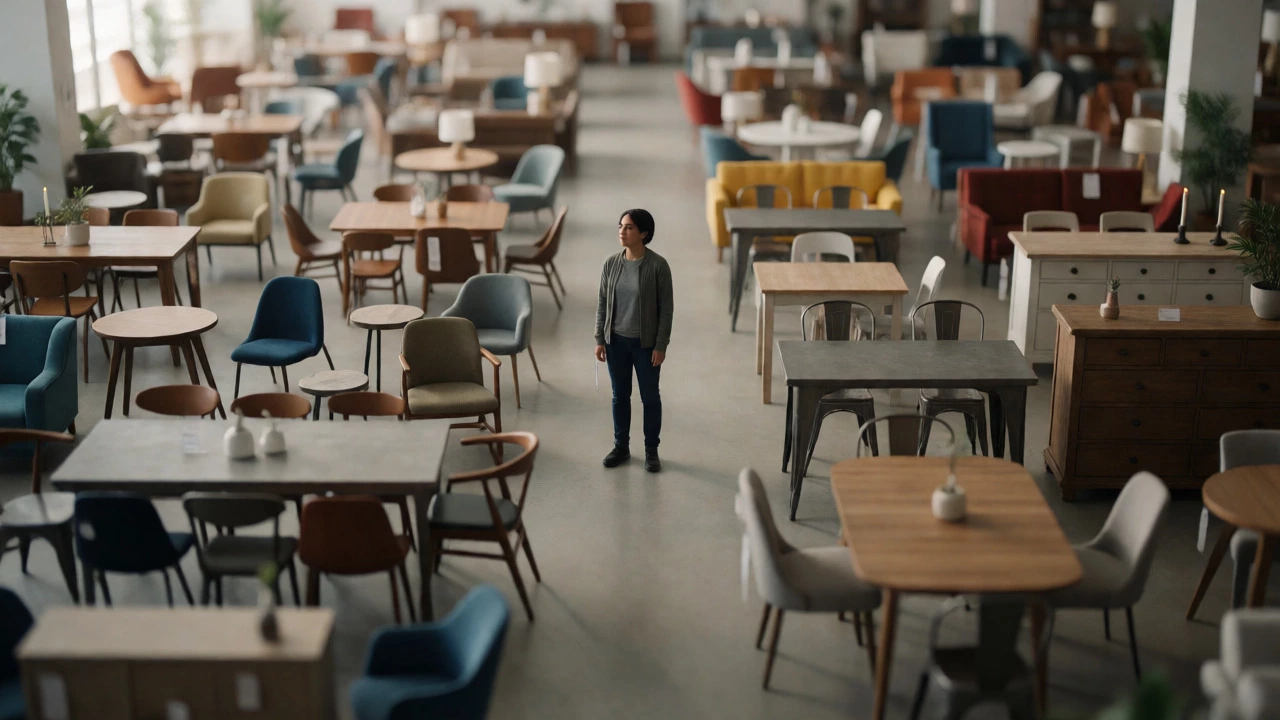
You walk into a furniture store, surrounded by thousands of options, and suddenly you freeze. Is it mid-century modern? Farmhouse? Industrial? The sheer volume of choices often paralyzes us more than the lack of options does. We scroll through Instagram, saving hundreds of images that look amazing in isolation but feel like a jumbled mess when applied to our actual living rooms. You aren't alone in this confusion. Most people don't have a defined style because they haven't taken the time to decode what actually makes them feel at ease in their own space.
Finding your home decor style is not about picking a label from a magazine. It is an investigative process. It requires looking at your habits, your budget, and your emotional responses to different environments. This guide will help you cut through the noise and build a cohesive aesthetic that feels authentically yours, rather than just copying a trend that will look dated in two years.
Start with Emotional Archaeology
Before you buy a single cushion or paint swatch, you need to understand how you want to feel in your home. Do you crave the calm of a minimalist sanctuary after a chaotic workday? Or do you thrive on the visual stimulation of eclectic layers and bold colors? Your home should serve your psychological needs, not just your ego.
Try this simple exercise: close your eyes and imagine walking into your ideal room. What is the first thing you notice? Is it the light? The texture of a rug? The silence? Write down three adjectives that describe that feeling. Words like "airy," "cozy," "structured," or "vibrant" are far more useful starting points than specific design movements. If you choose "cozy," you might lean towards warm woods and soft textiles. If you choose "structured," you might prefer clean lines and neutral palettes. This emotional baseline prevents you from buying a beautiful chair that looks great but feels impossible to relax in.
The Power of Visual Curation
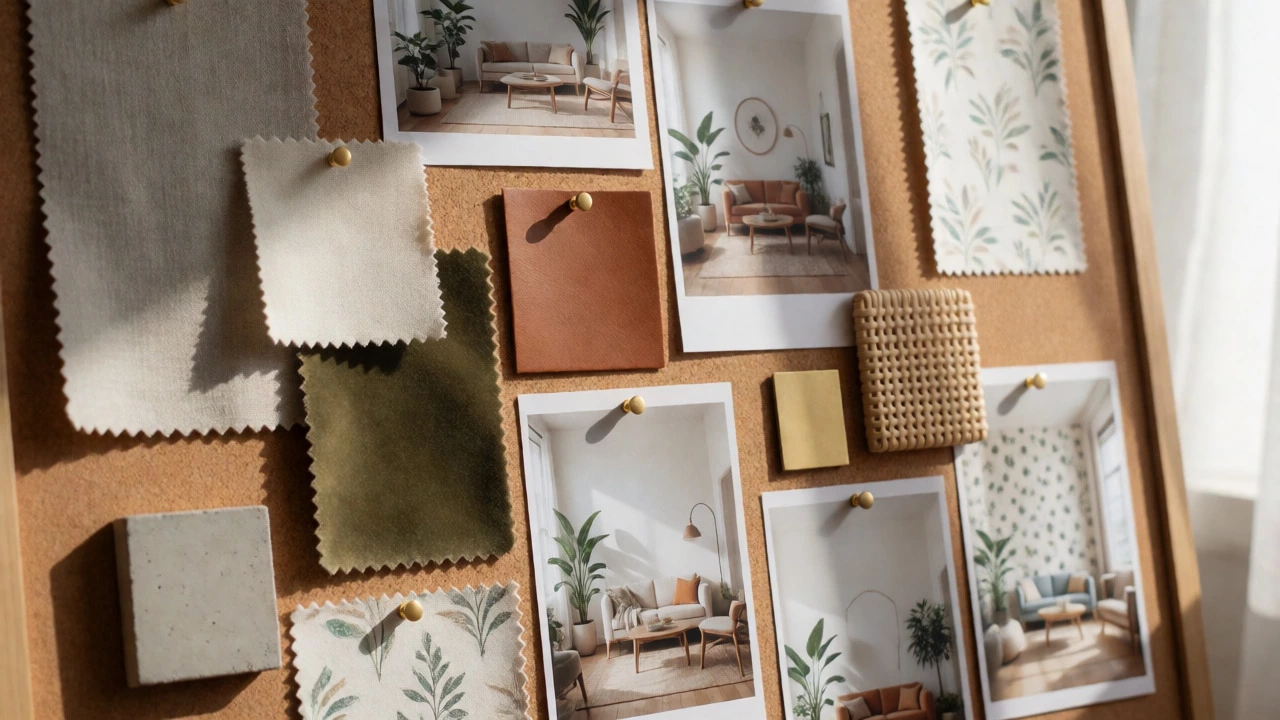
We all save images online. But most of us save them randomly. To find your style, you need to curate intentionally. Create a dedicated board-whether on Pinterest, Houzz, or a physical corkboard-and pin only five images per week for a month. Don't worry about matching them yet. Just pin what stops your thumb.
After four weeks, step back and look at the wall. Patterns will emerge. You might realize that 80% of your pins feature plants, suggesting a biophilic preference. Or perhaps you notice that almost every image has white walls, indicating a desire for brightness and spaciousness. Look for recurring elements: specific materials (brass, rattan, concrete), color palettes (earthy tones, monochromes, pastels), or layouts (open shelving vs. closed cabinets). These repetitions are your subconscious telling you what it likes. Ignore the items you pinned because they were "trending." Focus on the ones that still make you smile when you see them today.
Analyze Your Existing Belongings
Your current home holds clues you can't ignore. Look around your apartment or house right now. Which items do you genuinely love? Not the ones you bought because they were on sale, but the ones you would fight to keep in a fire. Maybe it's a vintage leather armchair inherited from a grandparent. Maybe it's a stack of art books on a coffee table. These objects anchor your identity.
If you love a rustic wooden table, forcing a sleek, glass-and-chrome modern aesthetic around it will feel disjointed. Instead, let that table dictate the direction. Build your style outward from these anchors. This approach saves money and ensures continuity. It’s easier to adapt a new sofa to fit an existing beloved rug than to replace both. Identify your "non-negotiables"-the pieces that stay no matter what. Everything else must complement them.
Decoding Design Terminology
Once you have identified patterns, you can start using proper terminology to communicate with designers or search for products effectively. However, be careful not to box yourself in. Styles are fluid. Here is a breakdown of common aesthetics and their core attributes:
| Style Name | Key Materials | Color Palette | Vibe/Feeling |
|---|---|---|---|
| Minimalism | Glass, steel, polished wood | Whites, grays, blacks | Calm, uncluttered, spacious |
| Scandinavian | Light wood, wool, cotton | Neutral, soft pastels | Cozy, functional, bright |
| Industrial | Brick, metal, concrete | Gray, black, rust | Edgy, raw, urban |
| Bohemian | Rattan, macramé, velvet | Jewel tones, earthy hues | Eclectic, relaxed, layered |
| Mid-Century Modern | Teak, walnut, plastic | Mustard, teal, orange, olive | Retro, sleek, optimistic |
Notice how these styles overlap? Many homes are "Scandi-Boho" or "Modern-Rustic." Don't fear hybrids. In fact, mixing two complementary styles often creates a more interesting and personalized space than sticking rigidly to one category. The key is balance. If you mix heavy industrial metals with soft bohemian textiles, you get contrast without chaos.
The Rule of Three
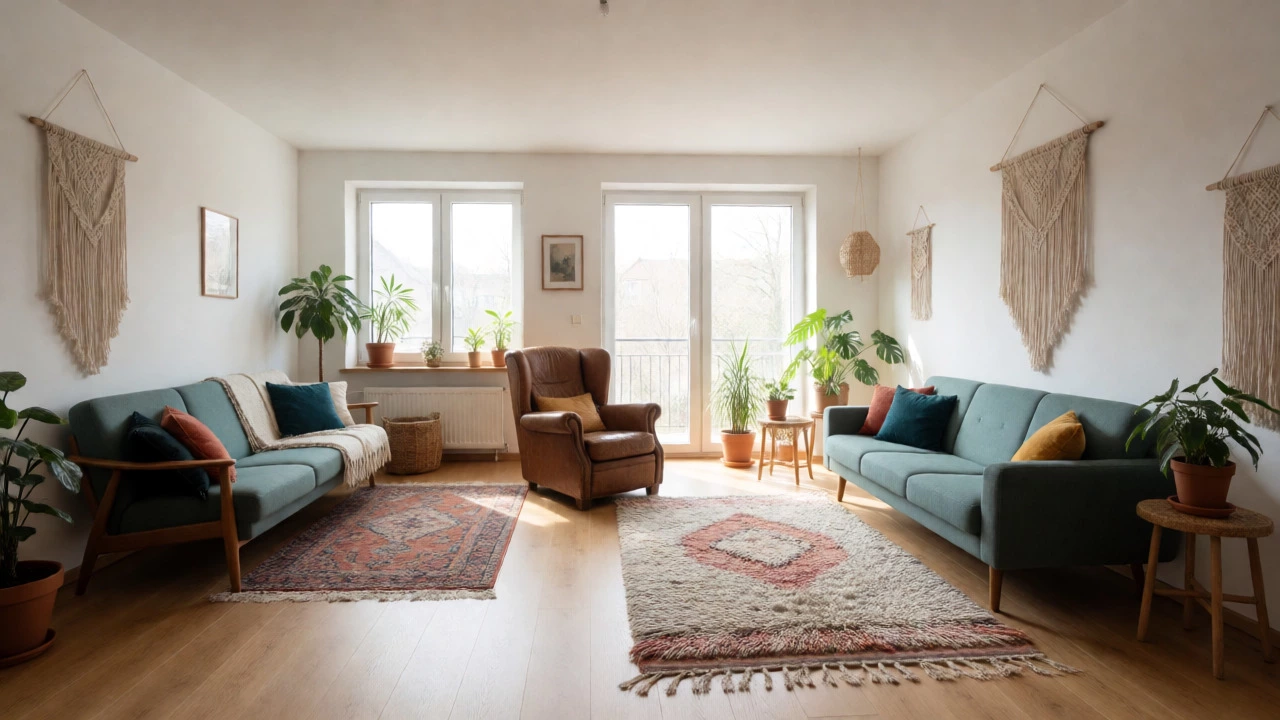
A common mistake is trying to implement too many ideas at once. To maintain cohesion, limit your primary influences to three. For example, if you love Mid-Century Modern shapes, Scandinavian lightness, and Bohemian textures, use these as your pillars. Use Mid-Century forms for your major furniture pieces (sofa, dining table). Use Scandinavian principles for lighting and window treatments (keep it airy). Add Bohemian flair through accessories like rugs, cushions, and plants. This structure gives you freedom within boundaries. It prevents the "boutique hotel lobby" effect where everything looks expensive but nothing feels like home.
Apply the 60-30-10 rule to your colors as well. 60% of the room should be your dominant color (usually walls or large rugs). 30% should be a secondary color (upholstery, curtains). 10% should be an accent color (art, vases, throw pillows). This ratio works regardless of the specific style you choose, providing visual harmony even in eclectic spaces.
Test Before You Invest
Never commit to a full-room makeover based on a single purchase. Start small. Buy a throw pillow, a small side table, or a piece of art that aligns with your emerging style. Live with it for a week. Does it spark joy every morning? Or did the novelty wear off? This low-risk testing phase saves you from costly returns.
Consider renting furniture for a few months if you are unsure about large items. Many companies offer rental services that allow you to try out different configurations. Alternatively, rearrange what you already have. Sometimes changing the layout reveals that you actually hate your sectional sofa and would prefer two smaller armchairs. Physical interaction with your space is the best validator of your style choices.
Embrace Evolution
Your style isn't static. It changes as you change. When you move cities, change jobs, or start a family, your needs shift. That vintage record player that defined your 20s might become clutter in your 30s. That's okay. Finding your style is an ongoing conversation between who you are and where you live. Allow your home to grow with you. If you outgrow a trend, swap it out. The goal is a home that supports your life, not a museum exhibit frozen in time.
Remember, there is no "wrong" style. There is only what works for your lifestyle, budget, and taste. Trust your instincts. If a room feels right, it is right. Stop comparing your Chapter 1 to someone else's Chapter 20 on social media. Your home should reflect your journey, not a curated feed.
What if I like too many different styles?
This is common and often leads to the best interiors. Instead of choosing one, look for a unifying element such as a consistent color palette or material theme. Mixing styles is called "eclectic" design, and it works well when you maintain balance and avoid visual clutter by limiting the number of distinct patterns or finishes in one view.
How much does it cost to define my style?
Defining your style costs nothing-it involves observation and reflection. Implementing it varies widely. You can start with free changes like rearranging furniture or decluttering. Small investments like lighting or textiles can significantly impact the vibe before you spend big on furniture.
Should I hire an interior designer?
You don't need to hire a designer to find your style, but they can accelerate the process. A professional can identify blind spots in your taste and help translate your vague preferences into a cohesive plan. If budget is tight, consider a one-time consultation to get a roadmap you can execute yourself.
Is it bad to follow trends?
Not necessarily, but be cautious. Trends are fine for temporary items like throw pillows, artwork, or rugs. Avoid applying short-lived trends to permanent fixtures like flooring, cabinetry, or wall colors, as these are expensive and difficult to change later.
How long does it take to find my style?
It varies. Some people know immediately; others take years. A practical timeframe is 1-3 months of active curation and observation. Remember, your style will continue to evolve throughout your life, so view it as a continuous process rather than a final destination.