
Skin Tightness Potential Calculator
Based on the article's insights regarding collagen production, weight loss rates, and core strength, this tool estimates how well your body may naturally tighten loose skin.
Analysis Complete
Do This More
--
Reduce This
--
Key Focus
--
That extra pouch of skin hanging over your hips is frustrating. You might have already lost the weight, but the skin didn't shrink back. It hangs there, stubborn and soft. This isn't just about looking good in jeans; it’s about feeling comfortable in your own body. Whether you’re dealing with post-pregnancy changes, rapid weight loss, or just age-related laxity, getting rid of that saggy lower belly requires more than just crunches. It takes a mix of nutrition, specific movement, and patience.
The truth is, spot reduction is a myth. You can’t burn fat only from your lower stomach by doing leg raises. But you *can* tighten the underlying muscles and improve skin elasticity. Let’s break down exactly what works and what wastes your time.
Understanding Why Your Belly Skin Sags
Before you start any routine, you need to know why this happens. Skin has two main proteins: collagen and a protein that gives skin its structure and firmness, and elastin, which allows it to snap back. When you gain weight quickly, these fibers stretch. If they tear, the skin loses its ability to retract. Age also plays a role because collagen production drops significantly after 30. Genetics matter too-some people just have looser skin naturally.
If you’ve lost a lot of weight recently, your body hasn’t had time to adjust. The fat cells shrank, but the skin envelope remained large. This is common after bariatric surgery or intense dieting. Understanding this helps you stop blaming yourself. It’s biology, not laziness.
Nutrition Strategies for Tighter Skin
You can’t out-exercise a bad diet when it comes to skin health. What you eat directly impacts collagen synthesis. Focus on foods rich in Vitamin C, zinc, and protein.
- Protein is key: Aim for 1.6 to 2.2 grams of protein per kilogram of body weight. Chicken, fish, eggs, and tofu provide the amino acids needed to repair tissue. Without enough protein, your body can’t rebuild strong skin layers.
- Vitamin C sources: Citrus fruits, bell peppers, and strawberries boost collagen production. Try adding half a cup of chopped strawberries to your morning yogurt.
- Hydration: Dehydrated skin looks thinner and saggier. Drink at least 2-3 liters of water daily. In Durban’s heat, you lose more fluid through sweat, so increase intake accordingly.
- Avoid sugar spikes: High blood sugar damages collagen through a process called glycation. Cut back on sodas and pastries. Swap white bread for whole grains to keep insulin levels stable.
Don’t crash diet. Losing weight too fast (more than 1-2 kg per week) gives your skin no chance to adapt. Slow, steady loss preserves elasticity better.
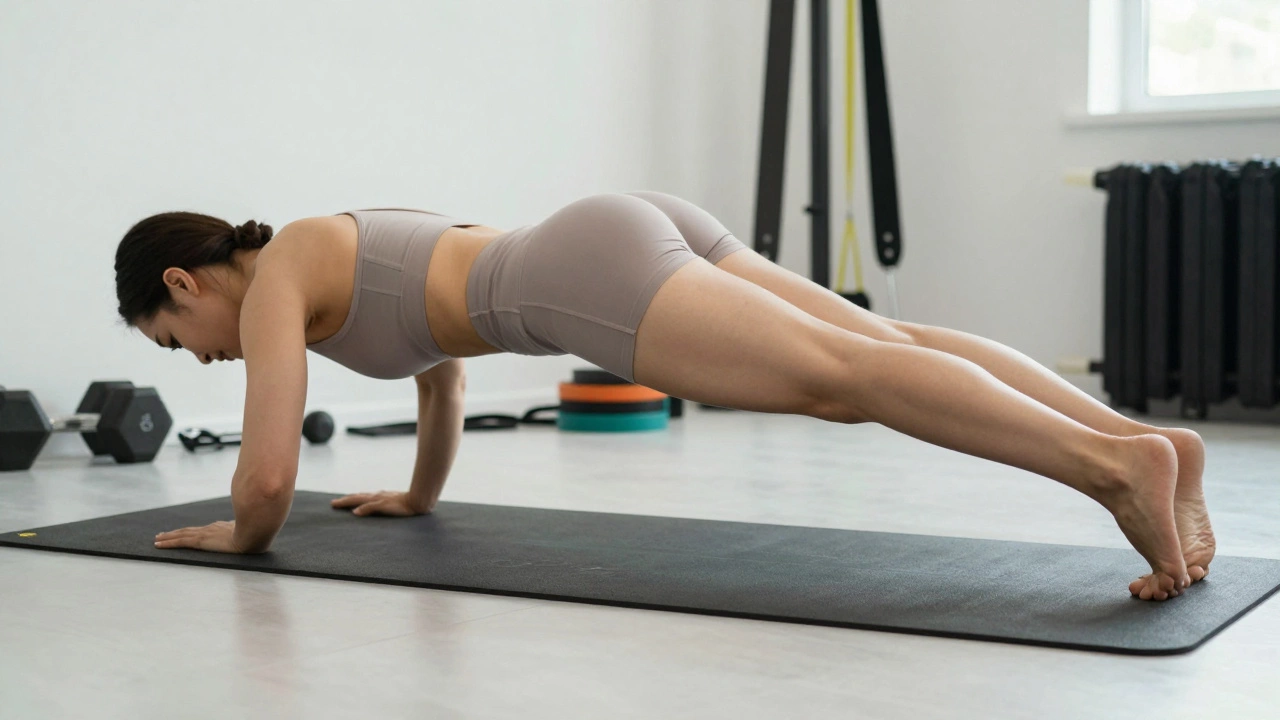
Core Exercises That Actually Work
Curl-ups do little for sagging skin. They work the rectus abdominis (the six-pack muscle), but they don’t tighten the deeper transverse abdominis, which acts like a natural corset. To pull the belly inward, you need to train this deep layer.
- Stomach Vacuums: Stand tall, exhale all the air from your lungs, and pull your navel toward your spine. Hold for 10-15 seconds. Repeat 5 times. This strengthens the inner wall of your abdomen.
- Planks: Start with 20-second holds. Keep your body in a straight line from head to heels. Engage your glutes and quads to protect your lower back. Progress to 60 seconds over weeks.
- Dead Bugs: Lie on your back, arms extended toward the ceiling, knees bent at 90 degrees. Slowly lower one arm and the opposite leg while keeping your lower back pressed into the floor. Alternate sides. This builds stability without straining your neck.
- Pilates Roll-Ups: These engage the entire abdominal chain. Move slowly. Control the descent. Speed kills the benefit here.
Add resistance training twice a week. Squats, lunges, and deadlifts build muscle mass in your legs and glutes. More muscle means a higher metabolic rate, which helps maintain leanness. Muscle under the skin also provides a firmer foundation, making sag less noticeable.
Skin Care and External Treatments
Topical creams won’t remove excess skin, but they can improve texture and tone. Look for ingredients like retinol, hyaluronic acid, and peptides. Retinol speeds up cell turnover, making skin look smoother. Apply it at night, as sun exposure degrades it. Hyaluronic acid pulls moisture into the skin, plumping it temporarily.
Massage helps too. Dry brushing before a shower stimulates circulation. Use firm strokes moving upward toward your heart. Follow with a moisturizer containing shea butter or cocoa butter. While these won’t shrink skin, they prevent dryness and cracking, which makes sagging look worse.
For significant cases, non-surgical treatments exist. Radiofrequency therapy heats deep skin layers to stimulate collagen. Laser treatments offer similar benefits. Consult a dermatologist if home remedies show no progress after six months. Surgical options like abdominoplasty are last resorts for massive skin folds.

Lifestyle Factors Often Ignored
Sleep affects everything. Poor sleep raises cortisol, a stress hormone that breaks down collagen and promotes belly fat storage. Aim for 7-8 hours nightly. Create a dark, cool bedroom environment. Avoid screens an hour before bed.
Posture matters more than you think. Slouching pushes your abdominal contents forward, exaggerating the sag. Practice standing tall with shoulders back. Imagine a string pulling the crown of your head upward. Over time, this engages core muscles passively.
Stress management is crucial. Chronic stress keeps cortisol high. Try meditation, walking, or deep breathing exercises. Even five minutes of mindful breathing daily lowers stress markers.
| Method | Effectiveness | Timeframe | Cost |
|---|---|---|---|
| Strength Training | High | 3-6 months | Low-Medium |
| Diet Change | Medium-High | 1-3 months | Low |
| Topical Creams | Low-Medium | Ongoing | Medium |
| Radiofrequency Therapy | Medium | 1-3 sessions | High |
| Surgery | Very High | Immediate | Very High |
Realistic Expectations and Patience
Skin retraction is slow. It can take 1-2 years for skin to fully adapt after major weight loss. Be patient. Take monthly photos instead of relying on the mirror daily. Changes are subtle at first. Celebrate small wins like fitting into old pants or feeling stronger during workouts.
Genetics set limits. Some people will always have softer skin. Acceptance is part of the journey. Focus on health metrics-energy levels, strength, mood-rather than just appearance. A healthy body functions well regardless of skin tightness.
Can I get rid of a saggy lower belly without surgery?
Yes, for mild to moderate cases. Combining strength training, proper nutrition, and skin care can significantly improve tightness. Surgery is only necessary for extreme skin laxity where skin hangs dangerously low.
How long does it take for skin to tighten after weight loss?
It varies by person. Generally, expect 6 months to 2 years. Younger individuals with less weight lost see faster results. Older adults or those who lost 50+ pounds may need longer or medical intervention.
Do ab exercises help with saggy skin?
Indirectly. Stronger abdominal muscles provide a firmer base under the skin, reducing the appearance of sag. However, exercises alone won’t shrink excess skin. Nutrition and hydration are equally important.
What foods help tighten skin?
Foods rich in Vitamin C (citrus, berries), protein (chicken, fish, beans), and antioxidants (leafy greens) support collagen production. Stay hydrated and limit sugar to prevent collagen damage.
Is loose skin dangerous?
Usually no, unless it causes rashes, infections, or mobility issues. Severe cases may require medical attention. Otherwise, it’s primarily a cosmetic concern.