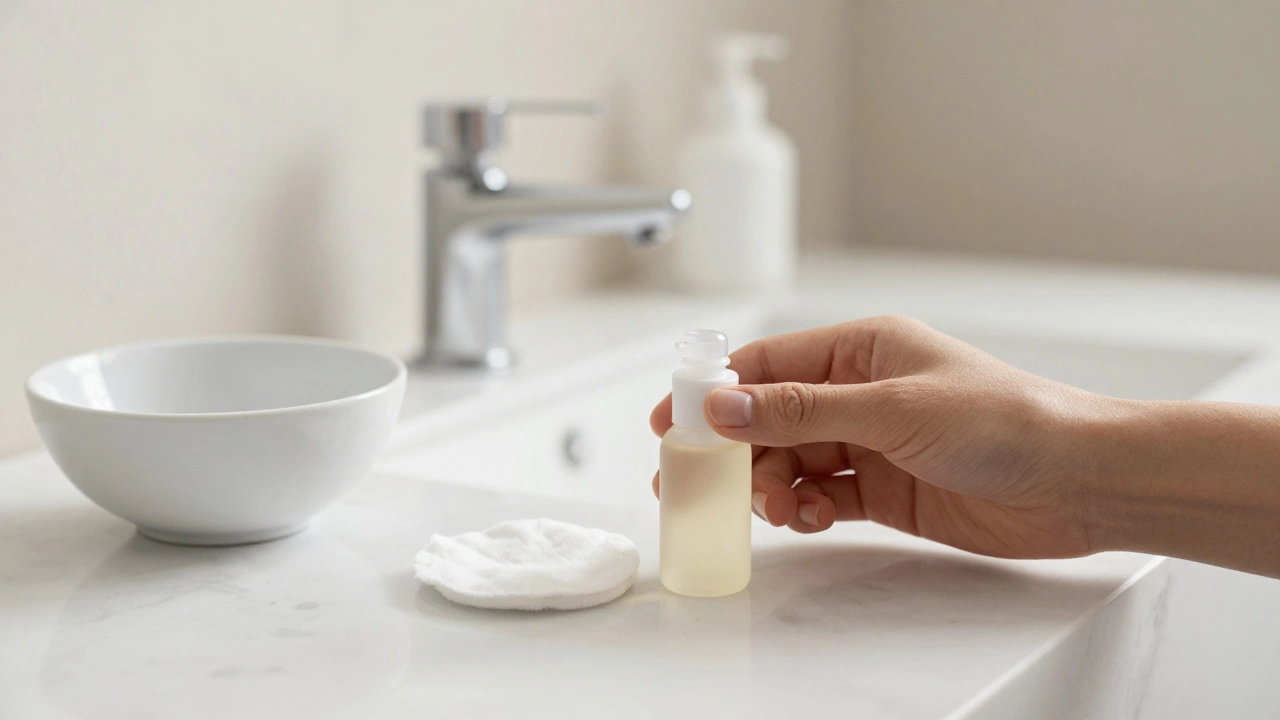
Do You Need Toner? Skin Routine Analyzer
What is your primary skin type?
Skin feels tight, rough, or flaky.
Visible shine, frequent breakouts.
Easily red, irritated, or eczema-prone.
Balanced, maybe oily T-zone.
How does your face feel immediately after cleansing?
Feels stripped of natural oils.
Clean but not dry or sticky.
Feels like something is left behind (common with hard water).
Are you currently using potent actives (Retinoids, Vitamin C, AHAs/BHAs)?
Using strong treatments regularly.
Routine is mostly basic care.
Your Verdict
Why this recommendation?
Recommended Action:
You’ve probably heard the golden rule of skincare: cleanse, tone, moisturize. It’s been drilled into us for decades. But lately, you might be wondering if that middle step is actually necessary. Is it really OK to skip toner? The short answer is yes. In fact, for many people, skipping toner is not just okay-it’s better for their skin.
We need to talk about what toners used to be versus what they are now. Thirty years ago, toners were harsh alcohol-based liquids designed to strip away every last bit of oil and residue after washing your face. They dried out your skin, irritated your barrier, and left you feeling tight. If that’s the kind of product you’re thinking of, then yes, absolutely ditch it. Your skin doesn’t need to be punished.
However, modern toners have evolved. Today, they are often hydrating essences, exfoliating solutions, or pH balancers. So, before you toss that bottle in the trash, let’s look at whether you actually need one in your current routine. It depends entirely on your skin type, your cleanser, and your goals.
The History of Toners: Why We Used Them
To understand if you need a toner today, you have to understand why we used them in the past. Historically, facial toners were alcohol-heavy solutions intended to remove residual dirt and oil from the skin after cleansing. Before modern surfactants became gentle and effective, bar soaps and harsh cleansers often left behind a film or altered the skin's natural acidity.
Back then, tap water was also less purified. People used toners to rinse away minerals from hard water that could clog pores. Additionally, the high alcohol content provided an immediate "clean" feeling, which consumers mistook for efficacy. This practice often led to over-drying, causing the skin to produce more oil to compensate-a vicious cycle of breakouts and dryness.
Today, most cleansers are formulated to be gentle and rinsable. You don’t need a secondary wipe-down to feel clean. If your cleanser leaves your skin feeling soft and balanced, the historical justification for toning has vanished.
When Skipping Toner Is the Best Choice
There are several scenarios where skipping toner is not just acceptable but recommended. If you fall into any of these categories, you can safely cut this step from your morning and evening routines.
- Your skin is dry or dehydrated: If your skin feels tight after washing, adding another liquid layer might not help unless it’s purely hydrating. Sometimes, fewer steps mean less irritation. Applying a hydrating serum directly to damp skin is often more effective than using a toner first.
- You use a gentle, non-stripping cleanser: Modern micellar waters, cream cleansers, and low-pH gel cleansers do a great job removing impurities without disrupting your moisture barrier. If your face feels comfortable after rinsing, you don’t need a toner to "balance" anything.
- You have sensitive or reactive skin: Every product you put on your face introduces potential irritants. Fragrances, preservatives, and active ingredients in toners can trigger redness or eczema. Simplifying your routine reduces the risk of reaction.
- You are already using actives: If your routine includes retinoids, vitamin C serums, or chemical exfoliants (like AHAs or BHAs), adding a toner with similar ingredients can lead to over-exfoliation. This damages your skin barrier, leading to sensitivity and breakouts.
Simplicity is key. If your skin looks healthy, feels hydrated, and isn’t breaking out, you don’t need to add steps just because a routine chart says so.
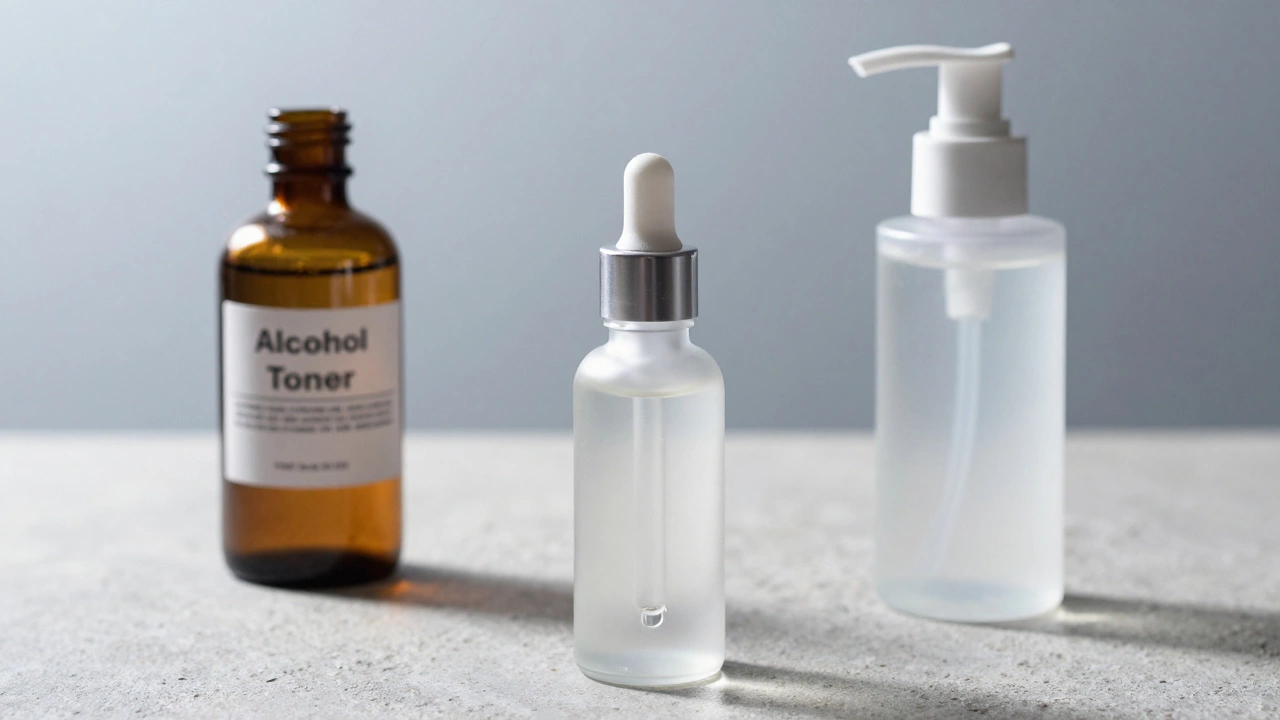
When You Might Actually Need a Toner
Just because you *can* skip toner doesn’t mean it’s useless for everyone. For specific skin concerns, a well-formulated toner can be a game-changer. Here is when keeping it in your routine makes sense.
If you struggle with dullness or rough texture, an exfoliating toner containing glycolic acid or lactic acid can gently dissolve dead skin cells. Unlike physical scrubs, these chemical exfoliants smooth the skin surface without abrasion. However, you must use them sparingly-maybe two to three times a week-to avoid irritation.
For those with oily or acne-prone skin, a toner with salicylic acid can penetrate pores to clear out excess sebum and prevent blackheads. This acts as a targeted treatment rather than a general cleansing step. It helps keep pores clear between washes.
If you live in an area with very hard water, a toner can act as a final rinse. Hard water contains calcium and magnesium ions that can leave a residue on the skin, potentially interfering with how well your moisturizer absorbs. A splash of distilled water or a hydrating toner can neutralize this effect.
Finally, some people love the ritual of toning. If applying a cooling, hydrating mist makes you feel refreshed and helps your subsequent products absorb better, then it serves a psychological and practical purpose. Skincare should feel good, not like a chore.
How to Replace Toner Effectively
If you decide to skip the toner, you don’t need to replace it with another complex product. Instead, optimize the steps you already have. Here is how to adjust your routine for maximum benefit without the extra bottle.
- Moisturize on damp skin: After cleansing, pat your face lightly with a towel so it remains slightly wet. Apply your moisturizer immediately. Water trapped against the skin under a moisturizer acts as a powerful hydrator, mimicking the hydration boost a toner would provide.
- Upgrade your cleanser: Choose a cleanser that matches your skin type perfectly. If you have dry skin, use a creamy, milky cleanser. If you have oily skin, use a gentle foaming gel. A good cleanser eliminates the need for a second cleaning step.
- Use a hydrating serum: If you miss the lightweight feel of a toner, swap it for a hyaluronic acid serum. Serums deliver higher concentrations of active ingredients deeper into the skin. They are more potent and efficient than most toners.
- Double cleanse at night: If you wear makeup or sunscreen, ensure you are removing them thoroughly. An oil-based balm followed by a water-based cleanser ensures your pores are clean without needing a toner to "finish" the job.
By focusing on the quality of your cleanser and moisturizer, you create a stronger foundation. These two steps are non-negotiable; toner is optional.
| Feature | Facial Toner | Hydrating Serum |
|---|---|---|
| Primary Function | Balance pH, light hydration, prep skin | Deep hydration, target specific concerns |
| Texture | Thin, watery, evaporates quickly | Thicker, viscous, stays on skin longer |
| Active Concentration | Low (usually 1-5%) | High (often 10-20%) |
| Best For | Quick refresh, exfoliation, hard water areas | Dryness, fine lines, deep nourishment |
| Necessity Level | Optional | Highly Recommended for aging/dry skin |

Common Myths About Skipping Toner
There are plenty of misconceptions floating around social media about what happens when you stop using toner. Let’s set the record straight.
Myth 1: Your pores will get bigger. Pores do not have muscles; they cannot open or close. Their size is determined by genetics and age. Using a toner does not shrink pores permanently, and skipping it won’t make them expand. What toners *do* is temporarily tighten the appearance of pores by removing surface oil. If you skip toner, your pores might look slightly more visible until your moisturizer sinks in, but they haven’t physically changed size.
Myth 2: Your skin will become oily. Skipping toner does not cause oil production. Oiliness is driven by hormones and genetics. If anything, stripping your skin with harsh toners can signal your glands to produce *more* oil to compensate for dryness. By skipping harsh toners, you may actually see a reduction in excess shine over time as your barrier heals.
Myth 3: Your other products won’t work. This is partially true but misleading. Toners can help lower the pH of your skin after washing, which can enhance the absorption of certain actives like vitamin C. However, modern formulations are designed to work on normal skin pH. As long as your skin is clean and damp, your serums and moisturizers will absorb effectively without a toner intermediary.
How to Transition Away from Toner
If you’ve used toner for years, stopping suddenly might feel weird. Your skin might feel "slippery" or unbalanced for a few days. This is normal. Here is how to transition smoothly.
First, don’t stop cold turkey if you use an active toner. If you use a salicylic acid or glycolic acid toner daily, reduce usage gradually. Cut back to every other day, then twice a week. This allows your skin barrier to adjust without shock. If you use a simple hydrating toner, you can stop anytime.
Second, pay attention to your cleansing technique. Ensure you are rinsing your face thoroughly with lukewarm water. Cold water can leave a film, while hot water strips oils. Lukewarm is the sweet spot. Spend an extra 30 seconds massaging your cleanser into your skin to ensure all impurities are lifted.
Third, monitor your skin for two weeks. Look for signs of improvement: less redness, better hydration, fewer breakouts. Also watch for negative signs: increased dryness or flaking. If you experience dryness, add a hydrating serum instead of going back to toner. Remember, consistency is more important than the number of steps.
Ultimately, skincare is personal. There is no one-size-fits-all routine. The best routine is the one you enjoy and that keeps your skin healthy. If skipping toner saves you time, money, and stress, then it is definitely OK. Listen to your skin, not the marketing hype.
Can I skip toner if I have oily skin?
Yes, you can skip toner if you have oily skin, provided your cleanser effectively removes excess oil. Many people with oily skin use toners to control shine, but harsh alcohol-based toners can actually worsen oil production by irritating the skin. If you want to keep a toner, choose one with niacinamide or salicylic acid to regulate sebum without drying out your barrier.
Does skipping toner make my skin older?
No, skipping toner does not age your skin. Aging is primarily caused by sun exposure, genetics, smoking, and lack of sleep. Toners do not reverse aging. In fact, over-using exfoliating toners can damage your skin barrier, leading to premature wrinkles and sensitivity. Focus on sunscreen and retinoids for anti-aging benefits instead.
What is the best alternative to toner?
The best alternative to toner is a hydrating serum or simply applying moisturizer to damp skin. Hyaluronic acid serums provide deeper hydration than most toners. Applying moisturizer to damp skin locks in water, keeping your skin plump and healthy without the need for an intermediate step.
Should I use toner before or after moisturizer?
If you use toner, it should always go before moisturizer. The general rule of skincare application is thinnest to thickest. Toners are typically watery and lightweight, designed to prep the skin. Moisturizers are thicker and create a seal. Applying moisturizer first would block the toner from absorbing properly.
Is it bad to use toner every day?
It is not inherently bad to use toner every day, but it depends on the type of toner. Hydrating toners with ingredients like rose water or glycerin are safe for daily use. Exfoliating toners with acids (AHA/BHA) should be limited to 2-3 times a week to prevent irritation and barrier damage. Always patch test new products.