Green Building Materials: What They Are and How They Really Work
When you hear green building materials, construction products designed to minimize environmental harm through reduced resource use, lower emissions, and non-toxic composition. Also known as sustainable building materials, they’re not just a trend—they’re becoming the standard for homes that last, breathe, and heal the planet. This isn’t about bamboo floors and solar panels on the roof. It’s about what’s inside the walls, under the floor, and in the insulation—materials that don’t pollute when made, don’t off-gas when installed, and don’t end up in landfills when the house is torn down.
Real sustainable building, the practice of designing and constructing structures with long-term ecological and human health in mind. Also known as eco-friendly construction, it’s not just about using recycled content—it’s about how materials are sourced, transported, and reused. Think reclaimed timber from old barns instead of newly cut pine, or insulation made from recycled denim instead of fiberglass that releases microplastics. These choices matter because the construction industry accounts for nearly 40% of global carbon emissions. Choosing better materials isn’t a luxury—it’s the only way forward. And it’s not just for eco-warriors. More homeowners in the UK are asking: "Can this be repaired? Can it be recycled? Did this hurt the planet to make?" The answers are changing what gets built.
Related to this are sustainable materials, raw or processed substances that are renewable, low-impact, or recycled, and that perform as well as—or better than—traditional options. Also known as environmentally friendly materials, they include things like cork flooring, mycelium insulation, hempcrete walls, and clay-based plasters. These aren’t science experiments. They’re used in real homes across Britain because they regulate humidity, reduce noise, and last decades without needing chemical treatments. And unlike vinyl or particleboard, they don’t make your indoor air toxic. You won’t find them in every big-box store yet—but you will find them in the posts below. These articles don’t just talk about green building—they show you what people are actually using, where they’re buying it, and what surprises they ran into when switching from conventional materials. Some found savings. Others found better air quality. A few even found their home felt calmer just because the walls didn’t smell like chemicals.
What you’ll see here isn’t theory. It’s real stories from people who swapped out drywall for lime plaster, chose insulation made from sheep’s wool, or built a shed using reclaimed bricks. There’s no greenwashing here—just facts, costs, and what actually worked. If you’ve ever wondered if going green means giving up comfort, style, or budget, these posts will show you it doesn’t have to.
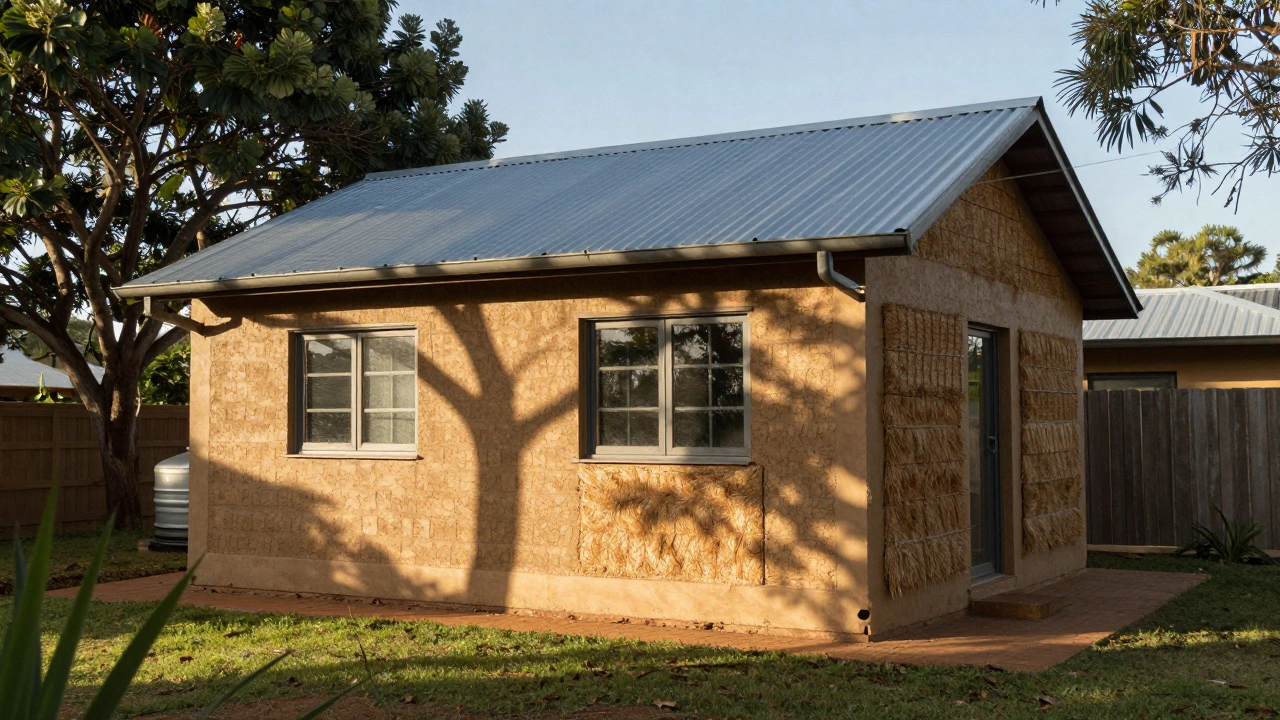
How to Build a Cheap Eco-Friendly House on a Budget
Build a cheap eco-friendly house using local materials, passive design, and simple systems like rainwater harvesting and small solar setups. Save money, cut bills, and live sustainably without debt.