Greige Paint: The Neutral Trend That’s Redefining UK Interiors
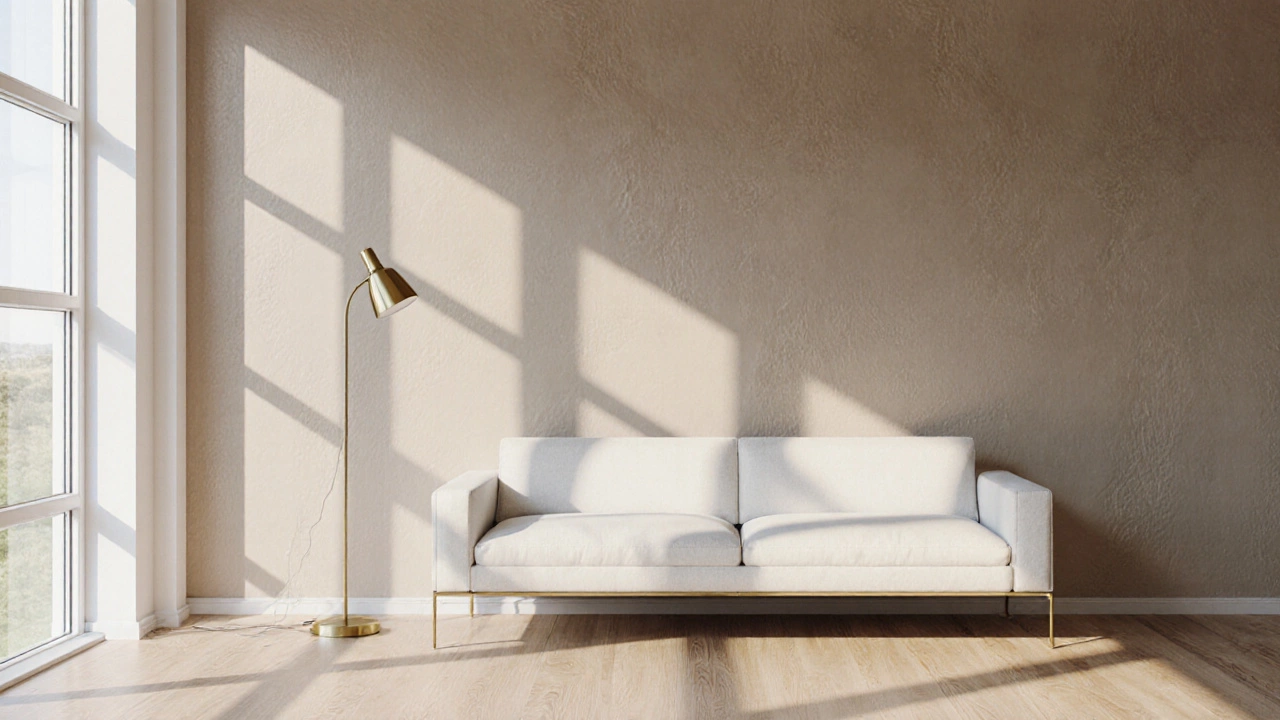
When you think of neutral walls, you might picture plain white or cold gray—but greige paint, a blend of beige and gray that warms up spaces without feeling dated. Also known as beige gray paint, it’s the color UK homeowners are quietly switching to because it works with everything—from rustic wooden floors to minimalist furniture and even bold accent pieces. Unlike pure gray, which can feel sterile in northern climates, or beige, which often turns yellow over time, greige holds its tone. It’s the kind of color that changes subtly with the light: soft and warm in morning sun, cool and calm in winter afternoons.
This isn’t just a trend—it’s a practical fix for homes that need breathing room. If you’ve ever painted a room white only to feel like it’s too stark, or chosen beige only to regret it when the dust shows, greige is your middle ground. It pairs naturally with natural materials like linen, oak, and stone, making it perfect for UK homes where texture matters more than flashy finishes. You’ll find it in London flats, Manchester terraces, and Devon cottages alike. It’s not loud, but it’s never boring. And because it’s so adaptable, it’s the go-to for people who want their space to feel lived-in, not staged.
What makes greige even more useful? It plays well with other neutrals. You can layer it with cream, charcoal, or even navy without clashing. It hides imperfections better than white, and it doesn’t make small rooms feel smaller like dark tones can. If you’re tired of choosing between warm and cool, greige lets you have both. It’s the color that works whether your style is coastal, industrial, Scandinavian, or just ‘I want my house to feel calm.’
Below, you’ll find real advice from people who’ve lived with greige walls—how they picked their shade, what lighting affected it, and which trim colors made it pop. No fluff. No hype. Just what actually works in UK homes.
Which Color Is Replacing White in Home Decor? 2025 Trend Explained
Discover why greige is the 2025 home décor trend replacing white, how to choose the right shade, and practical tips for a flawless makeover.