Work-Life Boundary Assessment Tool
How strong are your work-life boundaries?
Answer these questions to assess your current boundary situation. Based on your responses, we'll provide personalized recommendations to help you build sustainable work-life balance.
Most people think work-life balance is about working less. But that’s not the real issue. The real problem? It’s not how many hours you put in-it’s how those hours eat into your life. You can work 40 hours a week and still feel like you’re drowning. Or you can work 60 and feel totally in control. It all comes down to three deep, messy challenges most guides ignore.
1. The Blurred Line Between Work and Home
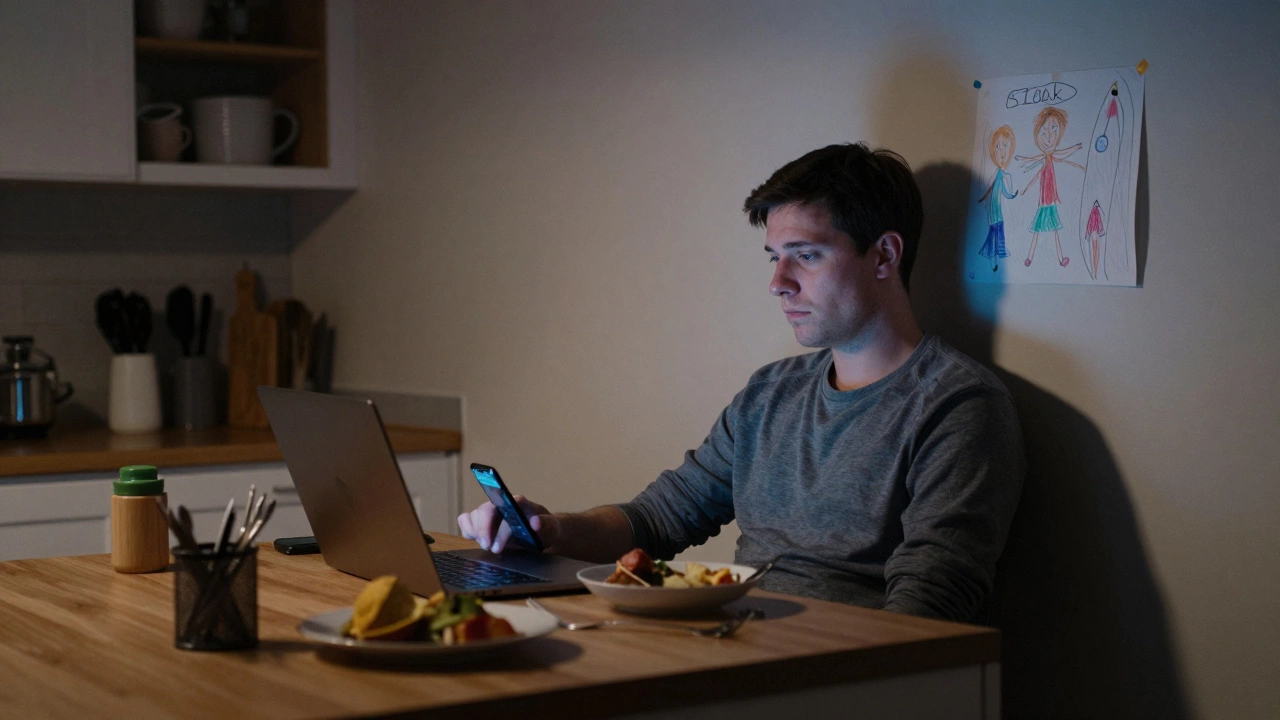
Before 2020, work and home were separate spaces. You left the office. You came home. Now? Your laptop is on the kitchen table. Your Slack notifications ping at 10 p.m. Your boss expects a reply by morning. This isn’t flexibility-it’s erosion. A 2025 Gallup poll found that 68% of remote workers say they’re “always on,” even when they’re not scheduled to work. And it’s not because they’re overachievers. It’s because the boundary vanished. You can’t relax when your work inbox is always visible. You can’t be present with your kids when your phone buzzes with a Teams alert. The physical separation is gone. And without it, your brain never switches off.
2. The Guilt That Comes With Saying No
Ever said yes to an extra project because you didn’t want to look lazy? Or skipped your kid’s recital because you “had to finish” something that could’ve waited? You’re not weak. You’re trapped in a cultural script that says: More output = more value. But here’s the truth: companies don’t reward balance. They reward visibility. If you’re the first to reply, the last to leave, the one who says “yes” to everything-you’re seen as dependable. If you set boundaries? You’re seen as “not a team player.” That’s not fair. But it’s real. A 2024 Harvard Business Review study showed that employees who regularly declined after-hours requests were 40% more likely to be passed over for promotions-even when their performance was equal. So you say yes. Again. And again. Until you’re exhausted, resentful, and wondering why you feel so empty even when you’ve “done everything.”

3. The Illusion of Control
Here’s the trickiest one: you think you’re managing your time. You’ve got a calendar. You’ve got a to-do list. You’ve downloaded five different productivity apps. But none of that fixes the real problem: you’re trying to control the uncontrollable. You can’t control your boss’s last-minute request. You can’t control your client’s deadline shift. You can’t control your kid’s school closing early. And when you treat life like a spreadsheet-where every minute must be optimized-you set yourself up for failure. The data doesn’t lie: a 2025 Stanford study found that people who tracked every hour of their day were 3x more likely to report chronic stress than those who left 20% of their schedule open. Why? Because control is an illusion. Real balance isn’t about squeezing more in. It’s about leaving space-for rest, for chaos, for breathing. When you stop trying to plan every second, you start reclaiming your life.
Why These Three Matter More Than Any Tip or Hack
You’ve probably read a hundred articles on “5 ways to achieve work-life balance.” They tell you to meditate. To unplug after 7 p.m. To take walks. Those things help-but they’re bandaids. If the line between work and home keeps bleeding, if guilt stops you from saying no, and if you’re still trying to micromanage your life like a project-you’ll burn out anyway. Real change doesn’t come from better apps. It comes from fixing the systems. The invisible rules. The cultural pressures. The guilt trips. The false promises of control.

What Actually Helps-Not the Fluff
Start with one thing: define your non-negotiables. Not “I’ll leave at 6.” But “I will not check work email after 8 p.m., no matter what.” Or “I will miss one meeting a week to pick up my kid.” Write them down. Say them out loud. Protect them like a boundary, not a suggestion. Then, talk to your manager-not about workload, but about expectations. Ask: “What does success look like here? Is it output, or just being visible?” If they can’t answer, you’ve got your answer. And finally, stop tracking your time. Start tracking your energy. What drains you? What recharges you? Do more of the second. Less of the first. You don’t need more hours. You need more space.
The Real Goal Isn’t Balance-It’s Sustainability
You don’t need perfect balance. You need to survive without breaking. Work isn’t going away. Life isn’t going to get simpler. But you can build a life that doesn’t collapse under pressure. That means accepting that some days will be messy. Some weeks, you’ll work late. Some weekends, you’ll miss out. But if you protect your core boundaries, you’ll have enough left to keep going-for years, not months.
Is work-life balance possible in high-pressure jobs?
Yes-but not the way most people think. In high-pressure jobs, balance isn’t about equal hours. It’s about rhythm. People who sustain long careers in demanding roles don’t work less. They work smarter. They protect recovery time like a meeting. They say no to tasks that don’t align with their core goals. They build rituals: a 15-minute walk after work, no screens before bed, one day a month completely unplugged. It’s not about time off. It’s about intentional restoration.
Does working remotely make work-life balance harder?
It can, but it doesn’t have to. Remote work removes the commute, which saves time. But it also removes physical separation. Without a commute, your brain doesn’t get a transition. You go from bed to desk. No reset. The fix isn’t to go back to the office. It’s to create artificial boundaries: a dedicated workspace, a ritual to end your day (like shutting a door or turning off a light), and clear communication with your team about availability. Remote work doesn’t cause imbalance-it exposes it.
Why do I still feel guilty even when I’m not working?
Because you’ve internalized the idea that your worth is tied to your output. That’s not your fault. It’s how most workplaces operate. But guilt is a signal, not a truth. When you feel guilty taking a break, ask: “Would I feel this way if my coworker did this?” If the answer is no, then the guilt isn’t about your actions-it’s about a culture that equates busyness with value. Start challenging that belief, one small “no” at a time.
Can therapy help with work-life imbalance?
Absolutely. Therapy doesn’t fix your schedule. But it helps you untangle the beliefs holding you back: “I have to be perfect,” “If I rest, I’m lazy,” “My job defines me.” Many people who struggle with balance are actually struggling with self-worth. A good therapist helps you rebuild your identity outside of work. That’s where real change starts.
What’s the fastest way to start improving my work-life balance?
Pick one non-negotiable. Not five. One. Maybe it’s no work emails after 8 p.m. Maybe it’s not checking Slack on weekends. Protect it for two weeks. Track how you feel. Do you sleep better? Are you less irritable? Do you actually enjoy your free time? If yes, make it permanent. Then pick another. Small, consistent boundaries beat grand, unsustainable overhauls every time.