Plant Care Basics: Simple Rules for Healthy Houseplants and Gardens
When it comes to plant care basics, the fundamental practices needed to keep plants alive and growing. Also known as houseplant maintenance, it’s not about fancy pots or Instagram-worthy arrangements—it’s about understanding what plants actually need to survive. Most people kill plants not because they’re bad at it, but because they’re following advice that doesn’t match real life. You don’t need a green thumb. You just need to stop overwatering, learn how to read your plant’s signals, and give it the right kind of light.
Soil preparation, the process of getting the ground ready for planting. Also known as garden bed setup, it’s the step most beginners skip—and the one that causes the most failed plants. Tilling soil isn’t enough. You need to know how long to wait after tilling before planting, what kind of soil your plant actually prefers, and whether your pot has drainage holes. A plant in soggy soil will die faster than one in poor light. And if you’re starting a garden, the first thing you should plant isn’t a rose or a tomato—it’s something simple, fast-growing, and forgiving, like basil. It teaches you patience, timing, and how to spot when a plant is happy.
Watering plants, the act of providing moisture in the right amount and frequency. Also known as plant hydration, it’s the #1 reason houseplants die. Most people water on a schedule—every Monday, every two weeks. Plants don’t care about your calendar. They care about dry soil. Stick your finger in. If it’s dry an inch down, water. If it’s still damp, wait. Rainfall, indoor heating, and pot size all change how often your plant needs water. No two plants are the same. A succulent needs less water than a fern. A plant in a sunny window dries out faster than one in a dark corner.
There’s no secret formula. No miracle spray. No viral TikTok hack that replaces common sense. Good plant care is quiet, consistent, and a little boring. It’s checking on your plant every few days. It’s moving it closer to the window when the leaves look pale. It’s letting the soil dry. It’s not repotting every year. It’s not buying new plants because the old one looks sad. You don’t need to be an expert. You just need to pay attention.
What you’ll find below isn’t a list of trendy houseplants or exotic varieties. It’s a collection of real, practical advice from people who’ve been there—killed a few plants, learned the hard way, and now know exactly what works. Whether you’re trying to grow herbs on a windowsill, fix a dying snake plant, or start your first garden in spring, these posts give you the exact steps to follow. No theory. No fluff. Just what to do, when to do it, and why it matters.
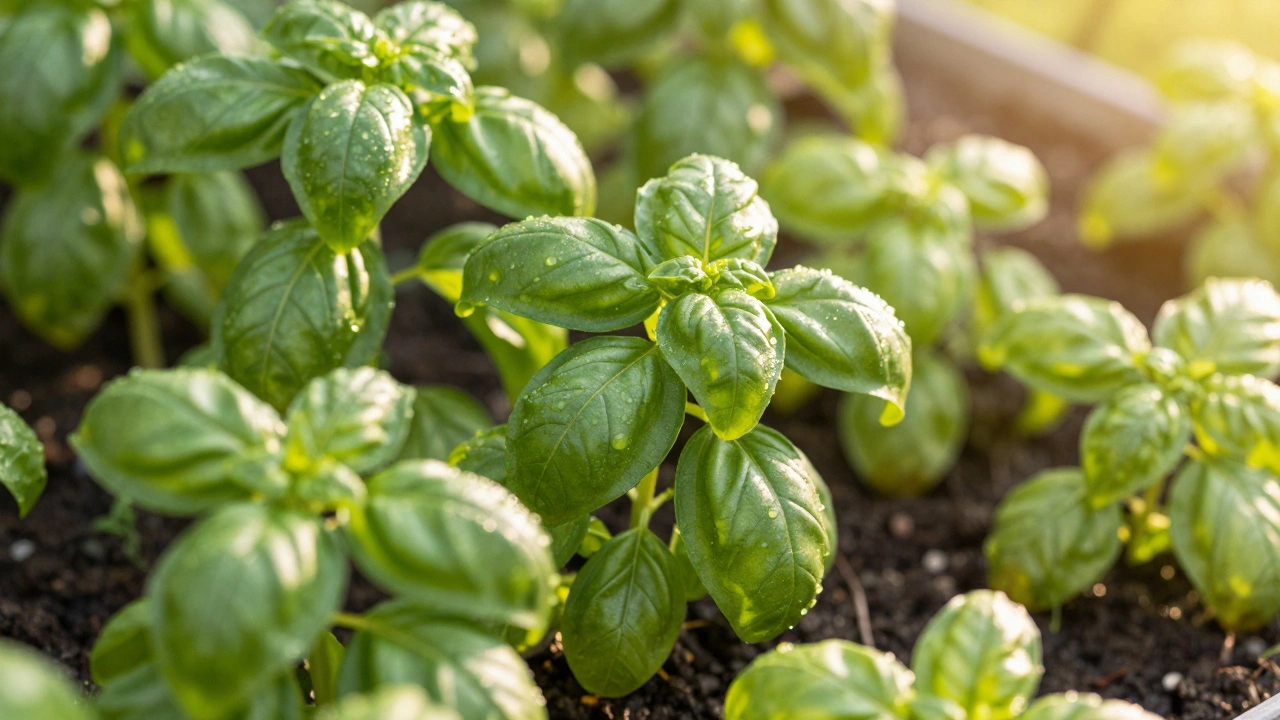
What Are the 7 Things Plants Need to Grow? Simple Rules for Healthier Gardens
Plants need more than just water and sunlight to grow. Learn the seven essential elements-light, water, air, nutrients, soil, temperature, and space-that make the difference between a struggling plant and a thriving one.